

The Virgin Mai Tai takes everything people love about the 1940s tiki original and rebuilds it without the rum. Get the citrus and almond in the right proportion and you’d genuinely struggle to tell someone’s holding a mocktail.
What Makes a Virgin Mai Tai Work
A great Mai Tai, boozy or not, is really a study in balance. The original recipe pairs rich, funky rum against sharp lime and nutty orgeat, and the whole drink lives or dies on that tension. Pull the rum out and you have to find that same tension somewhere else, which is exactly why this version leans on orange and pineapple juice for body and a light hand with orgeat and grenadine to keep it from tipping into fruit punch territory. Done right, it still tastes structured. Done lazily, it tastes like a kids’ party.
A Quick Word on Where This Comes From
The Mai Tai was born at Trader Vic’s in Oakland in 1944, and it’s been arguing with Don the Beachcomber’s earlier claim to the drink ever since. Either way, it’s one of the defining cocktails of tiki culture, built around aged rum, orange curaçao, lime and orgeat. If you want the full-strength, rum-forward version this recipe is modelled on, our Trader Vic’s Mai Tai recipe walks through it step by step.
Why Lush Life Loves It
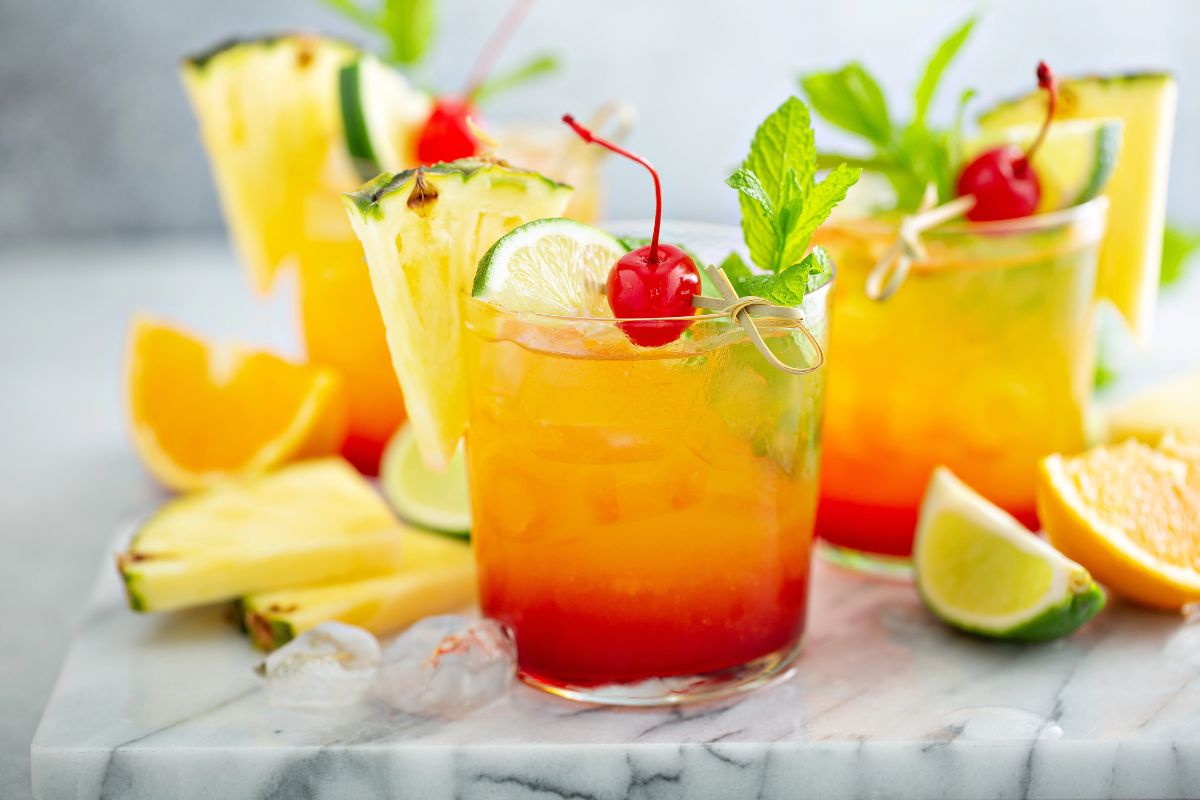
I like this one when I want something that still feels like a proper drink rather than a consolation prize. The orange and pineapple do the heavy lifting, the orgeat keeps things rounded instead of sharp, and it’s genuinely one of the easier mocktails to get right on the first try. It’s also just a lovely color once the grenadine settles.
Getting the Balance Right
The most common trap with any citrus-forward mocktail is letting the sweetness run away from you, and the Virgin Mai Tai is no exception. Both of your juices already carry natural sugar, so the orgeat and grenadine are there to balance it out.
If your pour ends up tasting flat or one-note, it’s almost always too much syrup and not enough acidity doing the work. A squeeze of fresh lime on top, even though it’s not in the core build, is the easiest fix if your juice is on the sweeter side. Shake hard and shake with real ice. This isn’t a stir-and-serve drink; the shake is what knits the juices and syrups together instead of leaving them sitting in separate layers.
Ingredient Notes: Juice and Orgeat
Freshly squeezed orange juice makes a noticeable difference here, since bottled juice often carries extra sweetness that throws off the balance we just talked about. Pineapple juice is more forgiving, but look for one without added sugar so you’re controlling the sweetness yourself rather than the manufacturer.
Orgeat is the ingredient most people have never bought before, and it’s worth seeking out a proper one rather than whatever’s cheapest. Monin’s orgeat is the industry standard and a safe first bottle, while Giffard’s version is punchier and worth diluting slightly if you find it overpowering. If you can’t get hold of orgeat at all, a few drops of almond extract stirred into simple syrup will get you close in a pinch, though you’ll lose some of the floral orange-blossom note real orgeat carries.
Common Mistakes and How to Avoid Them
The biggest one is over-pouring the syrups, which flattens the drink into something cloying rather than balanced. The second is skipping the shake and just stirring everything together, which leaves the juices tasting separate rather than integrated. The third is using juice straight from the fridge without tasting it first. Juice sweetness varies a surprising amount between brands and seasons, so a quick taste before you build the drink saves you from over- or under-sweetening the whole batch.
Batching for a Crowd
This recipe scales up easily, which makes it a strong pick for parties where not everyone’s drinking. The one thing to watch is citrus freshness: juice loses brightness the longer it sits, so if you’re batching ahead, keep the juices separate from the syrups until close to serving time and mix everything in a pitcher with fresh ice right before your guests arrive. A quick stir before pouring keeps everything evenly distributed since the grenadine tends to settle.
FAQ
Can I make this without orgeat? Almond extract mixed into simple syrup gets you close, though you’ll lose some of orgeat’s floral orange-blossom character.
Is there a seasonal twist on this recipe? Swapping in fresh passionfruit or mango juice for part of the pineapple works nicely in summer months.
What’s the difference between orgeat and grenadine? Orgeat is an almond syrup that adds nutty depth; grenadine is a pomegranate syrup used mainly for sweetness and colour. If you want the full story on the latter, our grenadine guide covers it.
Here is the recipe
Virgin Mai Tai
Ingredients
- 180 ml Fresh orange juice
- 180 ml Pineapple juice
- Dash of grenadine
- Dash of orgeat syrup
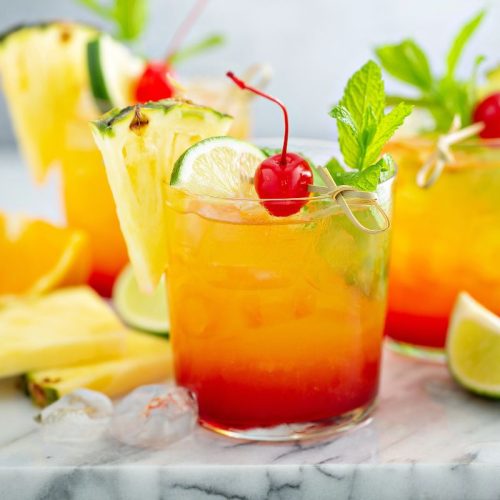
- Garnish: Cherry & Pineapple
Instructions
- Add all of the ingredients to a shaker
- Add ice
- Shake, shake, shake
- Strain into a rocks glass with ice
- Drizzle a bit of grenadine on top for color
- Garnish!


