

One of the great things about stocking your own home bar is that you get to choose what’s on the shelf. No sad bottle of something you never drink taking up valuable space just because someone on the internet told you that every “proper” home bar needs one.
If you’ve already read my guide to setting up a home bar, then you’re ready for the really fun bit: filling it.

The secret is not to buy everything at once. A good home bar stock list starts with a handful of hardworking spirits, a few bottles that turn those spirits into cocktails, and the mixers and garnishes you actually use.
With a surprisingly small collection, you’ll already be able to make many of the classic cocktails you know and love.
There is no end to the thrills you feel as you strain that first cocktail you’ve mixed, stirred, or shaken into its glass in your own home for your own guests!
If you’ve read my How to Set Up A Home Bar post, it’s time to continue that journey by selecting the spirits that will sit on that shelf. With just seven or so bottles of booze behind your back bar, you’ll be able to make almost any classic cocktail.
THE LUSH LIFE SHORTCUT
Don’t try to recreate the back bar of The Savoy in your sitting room. Start with the spirits you actually drink, add vermouth, a liqueur or two and bitters, then build from there. Every new bottle should earn its place by giving you something new to make.
How to Stock a Home Bar
Before you go shopping, think about the cocktails you order most often.
If you’re a Martini drinker, gin or vodka and dry vermouth should be at the top of your list. Love a Margarita? Tequila and orange liqueur are much more important. Old Fashioned fan? Bourbon or rye and Angostura bitters will get you started.
There isn’t one definitive bar stock list that works for everyone.
Still, if you want a fully stocked home bar capable of making a good range of classic cocktails, these are the spirit categories I would start with.
The Essential Spirits for Your Home Bar
Vodka
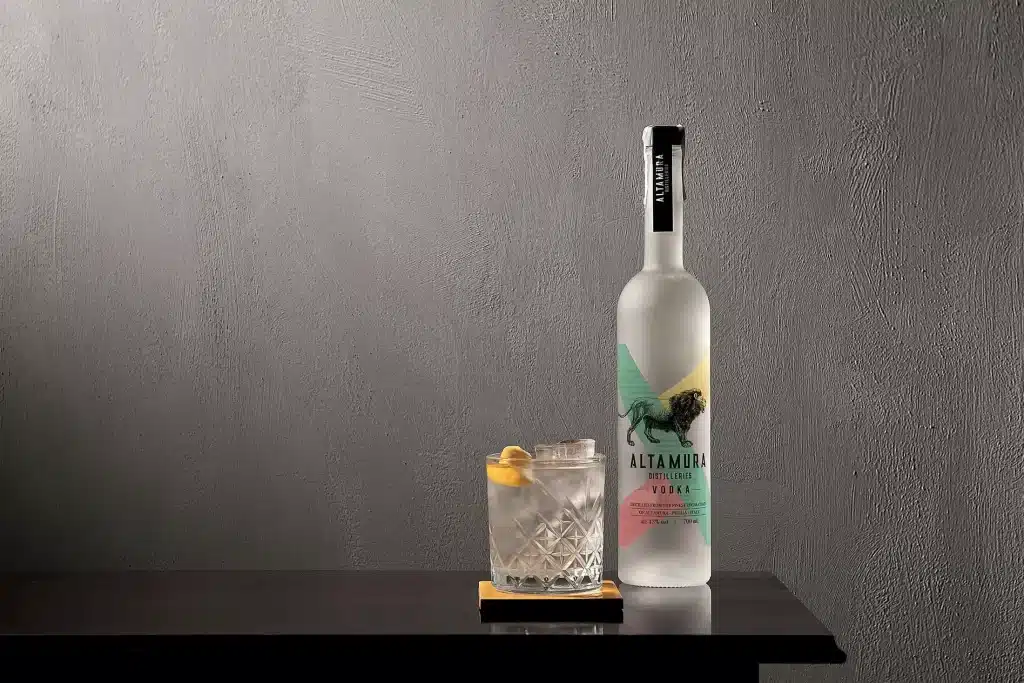
Thanks to the Cosmo craze and the genius marketing behind Absolut in the 1980s, a bottle of vodka is a must in any home bar. It gives you everything from the Cosmopolitan and Moscow Mule to the Bloody Mary and Espresso Martini.
Choose a good-quality vodka that you enjoy drinking rather than automatically reaching for the most expensive bottle on the shelf.
Learn more: Read my Lush Guide to Vodka for everything you need to know about vodka and vodka cocktails.
What I’d buy: Usually I don’t recommend a particular brand, I have to make an exception here for Altamura Vodka, made in Puglia from Altamura wheat. It’s a bottle I know and love, and one that’s just as happy in a Martini as it is in a Bloody Mary. [Buy in the UK →] | [Buy in the USA →]
A note on my recommendations: I work with and know many wonderful spirits brands, so rather than declaring one bottle “the best,” I’ll usually recommend the style of spirit to look for. Where there’s a bottle I particularly love and think belongs here, I’ll tell you.
Gin
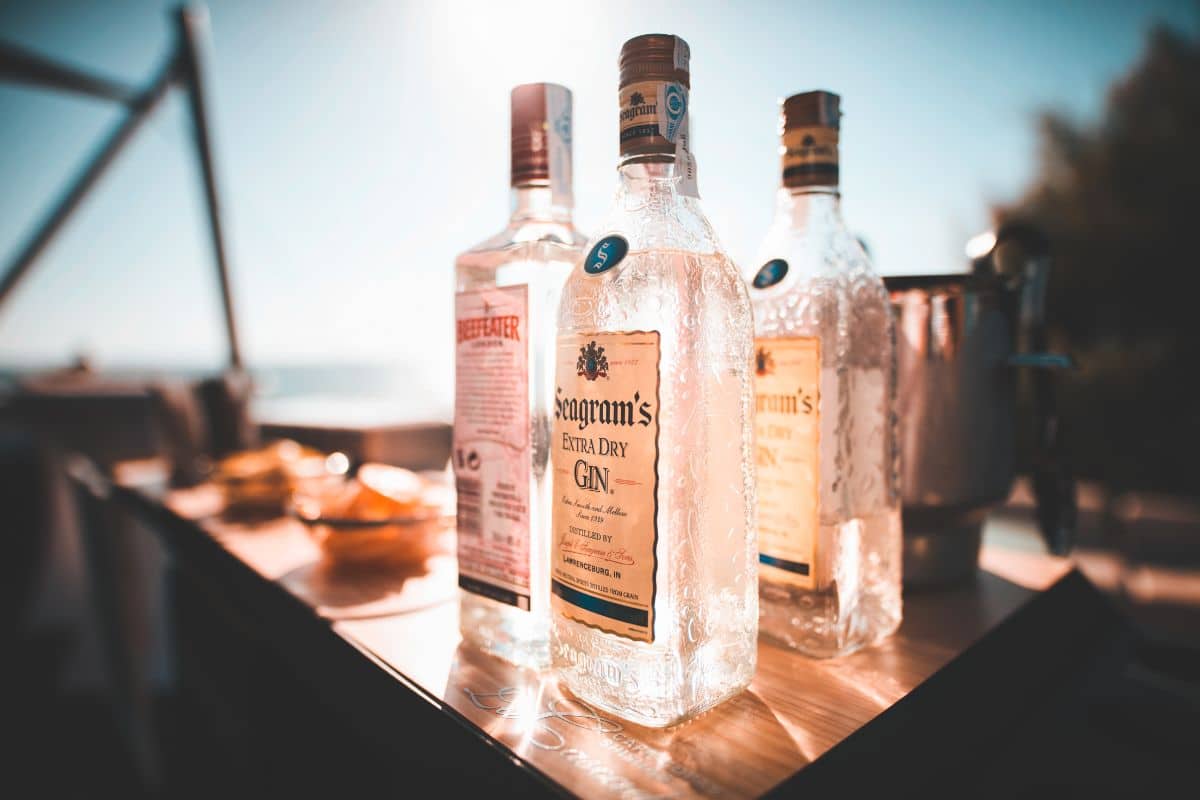
There is no way not to have a bottle of gin in your home bar. Martini, Negroni, Gimlet, Tom Collins, French 75, Gin Fizz: one bottle opens the door to an awful lot of cocktails. There are more than 1000 gins on the market, making it difficult to pick just one. Some are more juniper heavy, some enhanced with rose or cucumber, and some made with grape-base spirit instead of the usual grain. Where can you even begin?
Since it can be difficult to navigate through all of them, I would start with a London Dry Gin. The term “London Dry Gin” signifies that botanicals (flavors) were added during the distillation process and nothing was added after distillation, except water and a small amount of sugar. FYI: it doesn’t have to be made in London to be called a London Dry Gin.
Gordon’s, Tanquarey, and Beefeater Gin are a few of the oldest and most traditional of the London Dry Gins. Once that is on the shelf and you have your classic Martini in hand, then branch out and explore Old Tom, Plymouth, contemporary gins and all the other styles out there.
Learn more: Head to my Lush Guide to Gin to discover the different styles of gin and what to make with them.
What to buy: Start with a classic London Dry gin. It’s one of the most versatile styles for a home bar and will take you from a G&T to a Martini, Negroni or Tom Collins. [Shop London Dry Gin →]
Rum
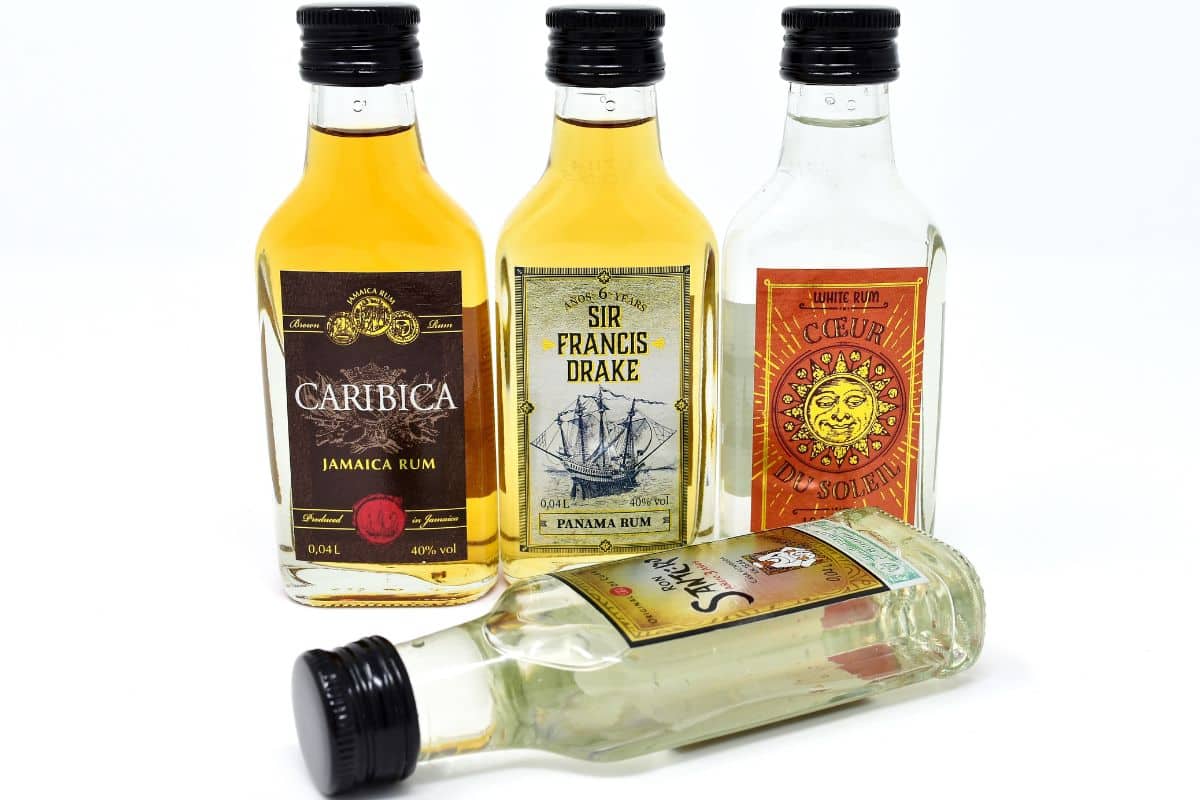
They say you can tell a bartender’s prowess by asking him/her to make you a Daiquiri. So you’re going to have to practice, practice, practice. That means you’ll need a bottle of Rum! White rum is a great first bottle because you’re only a lime and some sugar away from one of the greatest cocktails ever invented:
From there, start adding aged, dark, spiced, agricole and overproof rums according to what you like to drink.
This is another category where one bottle has a habit of becoming several.
Learn more: Explore all the different styles in my Lush Guide to Rum.
What to buy: Start with a good white rum. It’s incredibly useful and puts a proper Daiquiri or Mojito immediately within reach. [Shop White Rum →]
Tequila
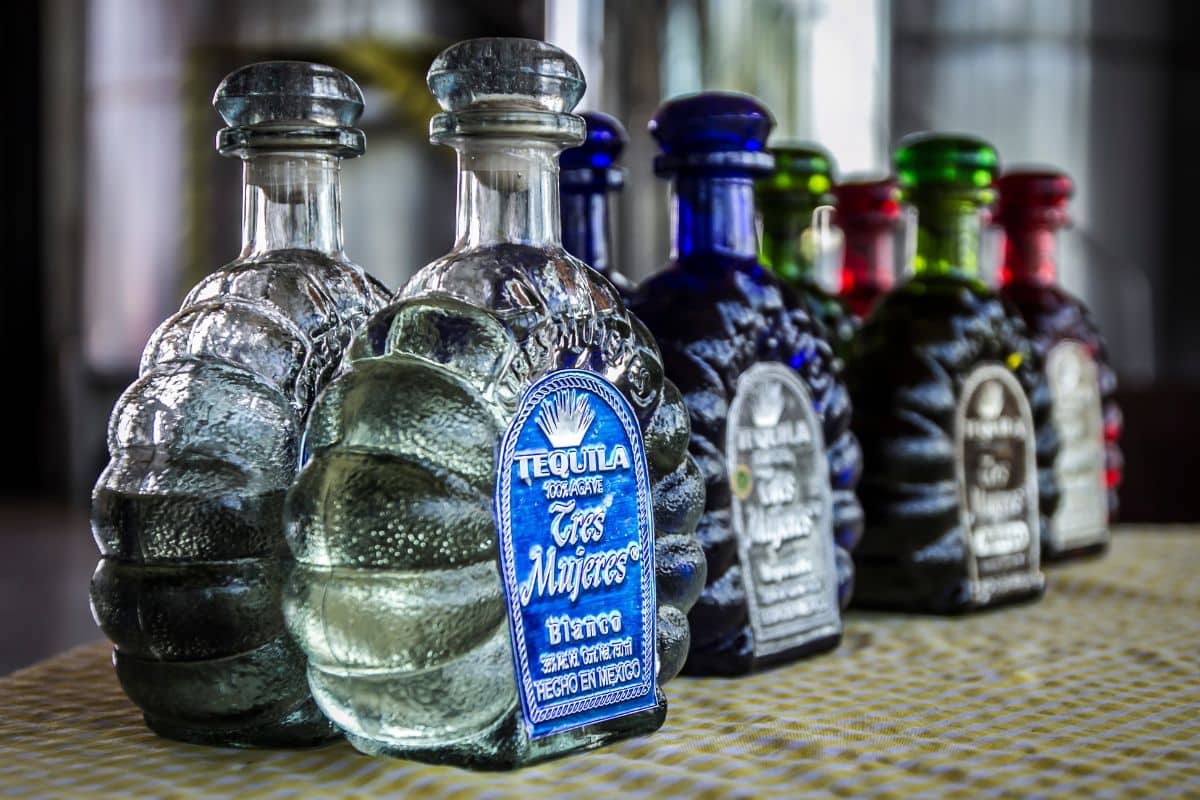
The most important advice I can give you when buying a bottle of tequila is make sure it says 100% agave on the label. Agave is the plant from which tequila is made and you want your tequila to be made only from agave – no extra fillers or liquids added. Any product that does not say 100% Agave is a headache waiting to happen, unless you really know your Mixto. I only use El Sueno.
Like rum, if you are starting to fill your drinks cabinet, a blanco (white or silver) tequila is the one for you. Blanco tequila is not aged as it is bottled almost immediately after distillation.
After you fall in love with tequila, if you are not already in love, look into purchasing an aged tequila or even a mezcal. You can find Reposado (aged from 2-12 months in oak barrels) and Añejo (aged from 1-3 years in oak barrels). There is also Extra Añejo which is aged more than 3 years and you can also find Joven which is mixture of Blanco and Reposado tequilas.
Mezcal is a whole other thing. Although they are both made with agave, their production method is completely different. Tequila is made by steaming the agave in an oven before distillation, while mezcal is roasted inside earthen pits before being distilled, giving it a smoky flavor, like whisky. It can be sipped on its own, but also add a real depth to any traditional tequila recipe.
Learn more: Find the different styles and what to make with them in my Lush Guide to Tequila and Mezcal.
What to buy: Look for a 100% agave blanco tequila. It’s the most useful starting point for Margaritas, Palomas and plenty of other classics. [Shop Blanco Tequila →]
Whiskey
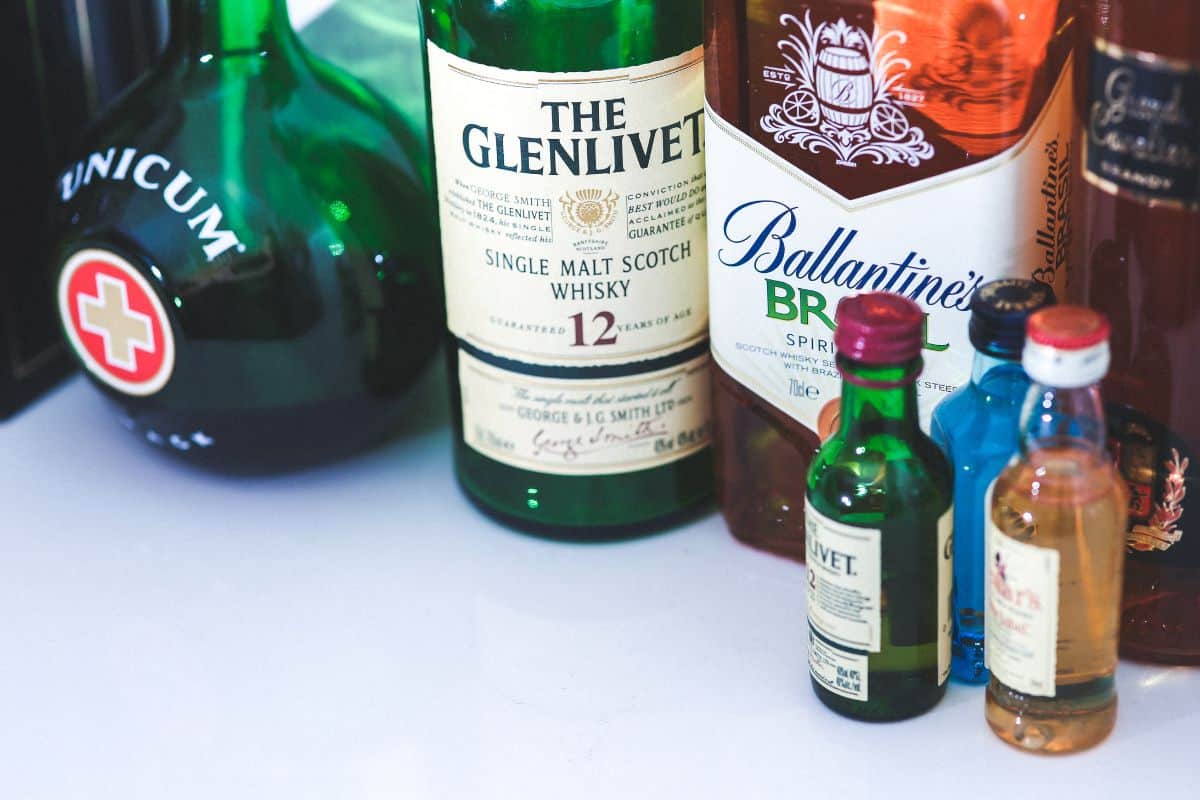
I’ve kept whisk(e)y (no matter how you spell it) for last because there are so many options – Scotch, Irish, American, Japanese, just to name a few. The question you need to ask yourself is – do I want to sip it or stir it?
For cocktail making, I’d start with a bottle of bourbon or rye. Either puts an Old Fashioned, Whiskey Sour, Manhattan and Boulevardier within reach.
I love an Old Fashioned. Therefore, you can always find a bottle of Bourbon (American whiskey) in my liquor cabinet. I also have a peated single malt Scotch Whisky around for those long, cold nights.
Later, you can start exploring Scotch, Irish whiskey, Japanese whisky and the rest. You may need a bigger shelf.
If you want to learn about whisky, I really suggest listening to WhiskyCast, my friend and former guest, Mark Gillespie’s award-winning podcast. There are also a few specialty whisky bars where you can sample whiskies at your leisure, such as Milroy’s of Soho and Black Rock in London, The Whiskey Ward in New York, or Barrel Proof in New Orleans.
Learn more: My Lush Guide to Whiskey will take you through the different styles and the cocktails to make with them.
What to buy: I’d start with a good bourbon that’s delicious enough to drink on its own but not so precious that you’re afraid to use it in an Old Fashioned. [Shop Bourbon →]
The Bottles That Make Those Spirits Into Cocktails
Now we get to the bottles that really make your bar work. You don’t need all of these immediately. Buy them according to the cocktails you want to make.

Dry and Sweet Vermouth
If Martinis, Manhattans and Negronis are on your list, you’ll need vermouth. Dry vermouth for the Martini. Sweet vermouth for the Manhattan and Negroni.
Technically a fortified wine, but if you want to make a Martini or Negroni, you must have vermouth. Buy a bottle of white and a bottle of red and you are sorted!
Learn More: My Lush Guide to Wine in Cocktails will guide you through the differences! Remember: vermouth is wine. Once it’s open, put it in the refrigerator.
What I’d buy: One good dry vermouth and one good sweet vermouth will take you surprisingly far. [Shop vermouths →]
Amaro
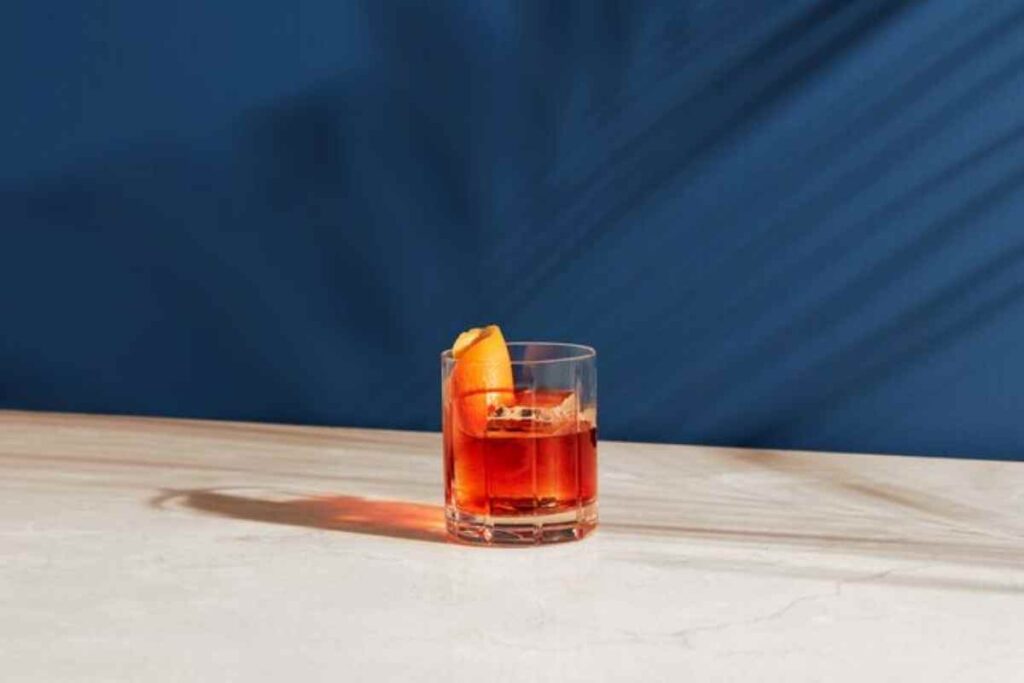
You might not see Amaro as a category on most beginning home bar lists, but I think it is essential. Two of the most popular cocktails in the world right now are the Negroni and the Spritz, both of which are made with Amaro spirits.
Campari is a must for your Negroni and Aperol or Select for your spritz. Not as well known outside of Italy, but Averna, Montenegro, Cynar and Fernet are several of the most well-known brands and can add a bit of bite to your cocktail.
Learn more: Have a look at my Lush Guide to Amaro, Aperitivo & Digestivo.
What I’d buy: Campari is the obvious first bitter aperitivo for a classic home bar. [Shop Campari →]
Brandy & Liqueurs
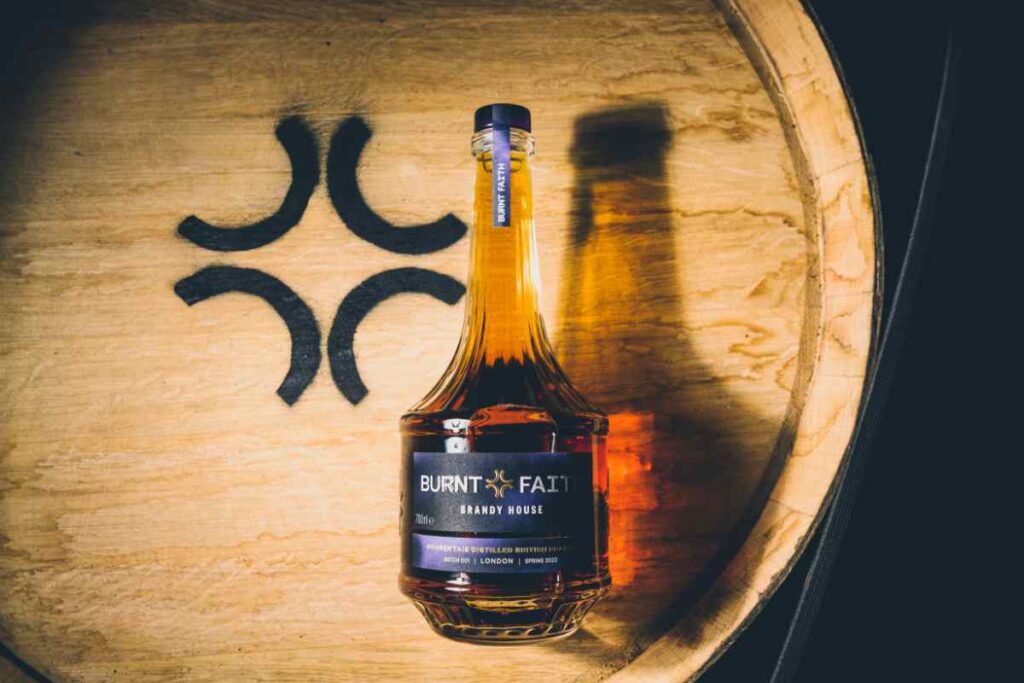
If you want to make a White Russian, Sidecar, Grasshopper or Amaretto Sour, then you need to fill your bar with a few other liqueurs. There are too many flavors to list them all here, but you can start with your favorite one!
- Brandy, either a Cognac or Armagnac.
- Coffee Liqueur – I suggest a bottle of coffee liqueur if you plan on making Espresso Martinis and/or White Russians. Kahlua and Baileys are the most famous brands. Don’t miss Mr. Black which has the fastest Espresso Martini recipe you can find.
- Orange – Triple Sec, Grand Marnier and Curacao are the top sellers here. If you are making a margarita, you gotta have one of these.
- Herbal – Jägermeister leads the pack in this category, but there is also Bénédictine and Chartreuse. All are great with honey, lemon and hot water for snowy nights!
- Cream Liqueurs – Grasshoppers and Brandy Alexanders are having a hey day, so for most of those 1950’s after-dinner cocktails, you need to have Creme de Menthe and Creme de Cacao behind the bar
Learn more: Have a look at my Lush Guide to Brandy, Cognac, Armagnac & Grappa and Lush Guide to Liqueurs.
What I’d buy: Start with one versatile orange liqueur rather than filling the shelf with several. [Shop orange liqueur →]
Bitters
Think of bitters as the seasoning of your cocktail bar.
Start with Angostura aromatic bitters. If you’re going to buy a second bottle, I’d make it orange bitters.
After that, things can get slightly out of control. There are bitters in just about every flavor imaginable, but you certainly don’t need them all to start.
What I’d buy: Angostura first, orange bitters second. [Shop cocktail bitters →]
What Mixers Should You Stock?
Don’t go mad here. Unlike your spirits, mixers aren’t going to sit happily on the shelf indefinitely, so buy what you know you’re going to use.
For most home bars, I would keep:
- Tonic water
- Soda water
- Ginger beer
- Cola
Buy smaller bottles or cans if you can. A freshly opened mixer is always going to make a better drink than the half-flat bottle that’s been sitting in your refrigerator for a week.
The Fresh Ingredients
Now raid the fruit bowl. Lemons and limes are indispensable if you’re making cocktails regularly. Oranges are useful for both juice and garnishes.
Then think about the drinks you love. Martini drinker? Keep olives around. Old Fashioned or Manhattan fan? Invest in some proper cocktail cherries. Mojito lover? You’ll want fresh mint.
You’ll also need sugar or simple syrup. You can easily make simple syrup yourself, so don’t feel you need to buy a fancy bottle.
Don’t Forget the Ice
I will keep saying this: ice is an ingredient. You can spend £50 on a beautiful bottle of spirit and then ruin the drink with a few ancient ice cubes that have been sitting next to the frozen peas for six months.
Make plenty of fresh ice before you’re planning to make cocktails. Larger cubes are brilliant for drinks such as the Old Fashioned because they melt more slowly, while regular cubes are perfectly good for shaking and stirring.

What About the Tools and Glassware?
I’m not going to go through every shaker, strainer, jigger and glass here because I’ve already done all that for you. If you’re starting from scratch, begin with my guide to setting up your home bar.
Then you can dive deeper into:
- How to Choose the Perfect Home Bar Tools
- How to Choose a Cocktail Shaker
- How to Choose Glassware for Your Home Bar
You absolutely don’t need everything at once. A jigger, shaker, strainer and bar spoon will get you a very long way.
Your Beginner Home Bar Stock List
If I were starting completely from scratch, this is what I’d buy first:
Spirits
- Gin
- Vodka
- Bourbon or rye
- White rum
- Blanco tequila
Modifiers
- Dry vermouth
- Sweet vermouth
- Orange liqueur
- Campari
- Angostura bitters
Mixers
- Tonic water
- Soda water
- Ginger beer
Fresh ingredients
- Lemons
- Limes
- Oranges
- Sugar
- Olives
- Cocktail cherries
That’s already enough to start having some serious fun. More importantly, you’ve bought ingredients that work together rather than a random collection of bottles.
How to Grow Your Home Bar
This is the best bit. Once you’ve got your basic home bar stock list sorted, don’t rush out and buy another 20 bottles. Instead, let cocktails lead the way. Spot a Mezcal Negroni you want to try? That’s your excuse to buy your first mezcal. Discover you love a Paper Plane? Welcome to amaro. Come home from Japan obsessed with shochu? Make room on the shelf.
That’s how a home bar becomes your home bar rather than a collection of bottles somebody else told you to buy. My Lush Guide to Spirits is the perfect place to explore what comes next, whether you’re curious about amaro, Calvados, Asian spirits, Latin American spirits or the growing world of low-and-no.
Now Go Make a Cocktail!
You have the spirits now, so no excuses! So read your books, buy your shaker and bash about your home bar, then invite over a few folks and start shaking, stirring and straining!
Pick a classic from my Cocktail Recipes, grab your shaker or mixing glass and start shaking, stirring and straining.