A SHORT HISTORY OF AMARO, APERITIVO & DIGESTIVO
Today, though, the lines are becoming increasingly blurred. Aperitivo has also become a way for producers to describe the spirit itself, particularly a new generation of bittersweet, botanical bottles designed specifically for that pre-dinner moment. Savoia Americano, Santoni and Cordusio are all part of this modern aperitivo world, taking the Italian tradition and interpreting it in distinctly different ways.
At the other end of the meal is the digestivo. Traditionally served after eating, these tend to be richer, more intensely herbal or bitter spirits, although again there are no absolute rules. Amaro Montenegro, with its complex blend of botanicals and characteristic bittersweet flavor, is one of Italy’s best-known examples and can be enjoyed neat or over ice after dinner.
Aperitivo, Digestivo — or Both?
Perhaps the easiest way to understand the difference is not to think of aperitivo and digestivo as rigid categories at all.
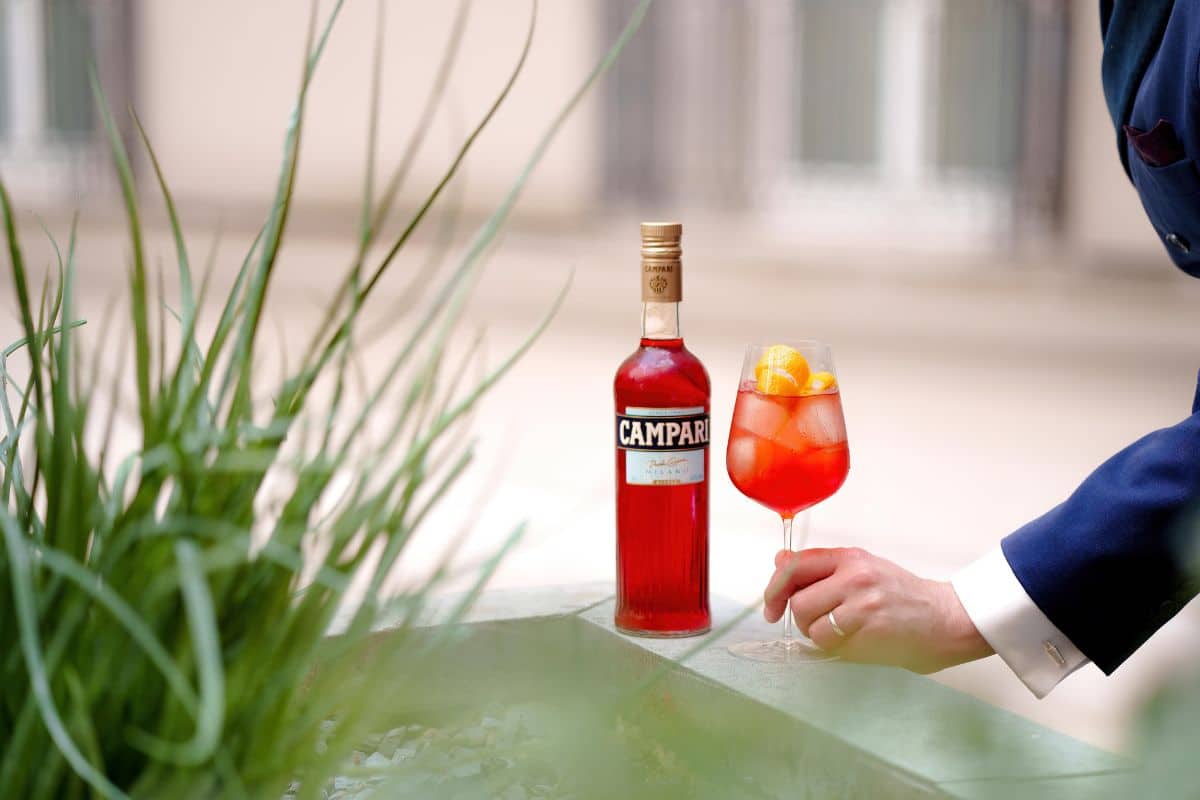
Aperitivo is about opening. The word comes from the Latin aperire, “to open,” and traditionally describes the drink and ritual that open the appetite and begin the evening. Campari, Aperol and Select are classic examples, while newer bottles including Savoia Americano, Santoni and Cordusio show how producers are increasingly embracing aperitivo as an identity in its own right.
Digestivo is about closing. After the meal comes something stronger, darker or more intensely herbal, traditionally sipped slowly. Fernet-Branca, Amaro Montenegro and Averna are all natural residents of this end of the evening.
Then there is amaro, which can happily move between the two. Some are light enough to open the appetite, others seem made for lingering over after dinner, and plenty work beautifully in cocktails.
That’s part of the joy of the whole wonderfully amorphous world: aperitivo opens the evening, digestivo closes it, and amaro can find a place almost anywhere in between.