A SHORT HISTORY OF GRAPE BRANDIES
Wine came first. Distilling it came considerably later.
The technique of distillation had been developing for centuries before European distillers began turning wine into aqua vitae — “water of life” — during the Middle Ages.
There were practical advantages to distilling wine. A concentrated spirit was easier to transport and more stable on long journeys. Dutch merchants played an important role in the trade, and the word brandy comes from the Dutch brandewijn, or “burnt wine.”
Something rather wonderful happened when these spirits were stored in wooden casks: they changed. Time in oak softened the spirit while adding color, texture and flavors of spice, vanilla, dried fruit and nuts. What may have begun partly as a practical way of transporting wine developed into an entirely new drink.
Cognac
The most famous name in brandy comes from Cognac in southwestern France.
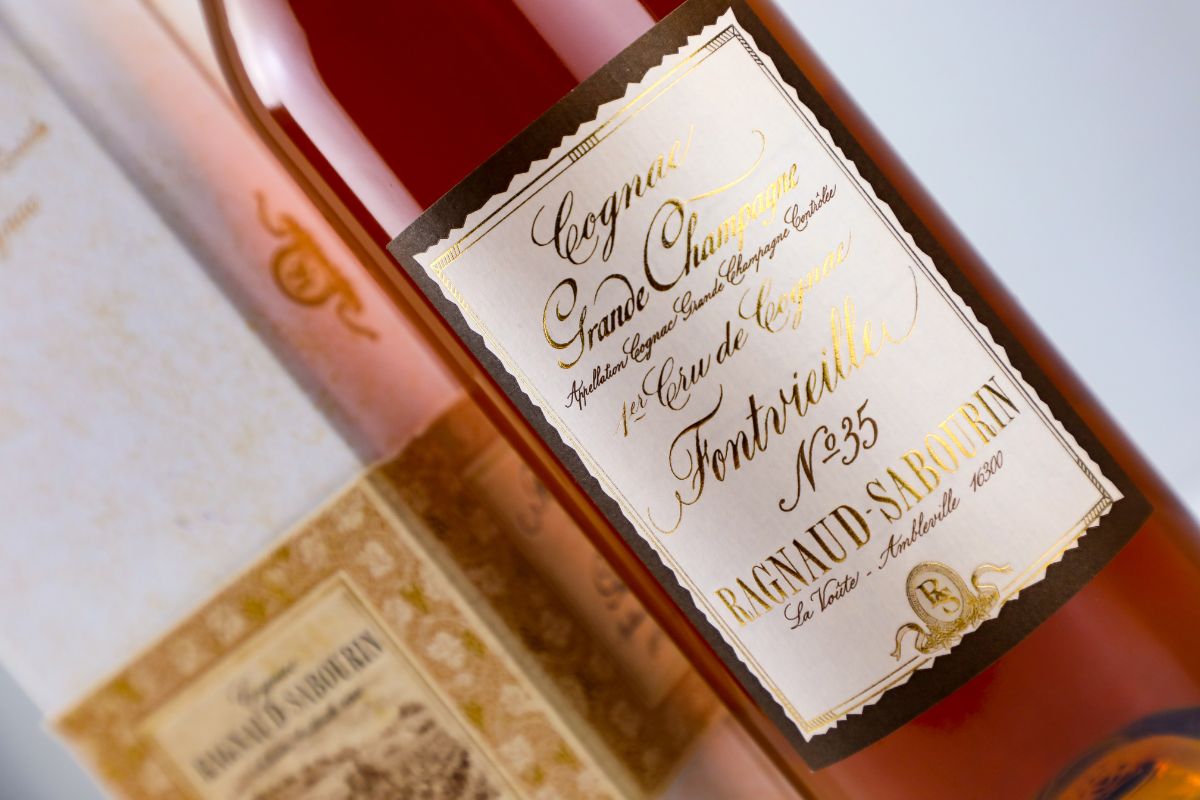
Cognac must be made within its legally defined region and according to strict production rules. Ugni Blanc is its dominant grape, producing an acidic wine that might not make terribly exciting drinking on its own but is extremely well suited to distillation.
The wine is traditionally distilled twice in copper pot stills before the resulting eau-de-vie is matured in oak. Different eaux-de-vie are then commonly blended to create the final Cognac.
Those mysterious letters on the bottle refer to the age of the youngest eau-de-vie in the blend.
VS means at least two years in oak.
VSOP means at least four years.
XO means at least ten years.
Age is only part of the story. Where the grapes grow, the distillation, the casks, the cellar and the skill of the blender all contribute to what eventually reaches your glass.
Armagnac
Travel south into Gascony and you’ll find Armagnac, France’s oldest wine brandy appellation.
While Cognac is generally double-distilled in pot stills, much Armagnac is distilled just once using a traditional continuous still known as an alambic armagnacais. The resulting spirit is then aged in oak.
Armagnac can be wonderfully characterful, with flavors ranging from fresh fruit and flowers to prunes, spice, nuts and rich rancio notes as it ages.
You’ll also encounter vintage Armagnac, carrying the year of the harvest on the bottle. This makes exploring old Armagnacs particularly fascinating — and potentially rather dangerous for anyone who discovers a bottle from their birth year.
Grappa
Cross the Alps and the story changes.
Grappa is unmistakably Italian and is made from vinaccia, or grape pomace: the skins, seeds and other solids remaining after grapes have been pressed during winemaking.
For centuries, distilling these leftovers provided a practical way of making use of something that might otherwise have been discarded. Grappa developed a reputation as a rustic, powerful spirit, often made by farmers and enjoyed after a meal.
Modern grappa can be a very different proposition.
Better distillation techniques and an increased focus on grape varieties and raw materials have created beautifully aromatic, refined grappas. Some are made from the pomace of a single grape variety — perhaps Moscato, Nebbiolo or Barbera — while others are associated with famous wines such as Amarone.
Most traditional grappa is clear and unaged, but it can also be matured in wood, taking on color and flavors of vanilla, spice and dried fruit.
In Italy, it remains one of the classic ways to finish a meal. You might drink it neat, or encounter the wonderfully no-nonsense caffè corretto, an espresso “corrected” with a splash of grappa and favorite of the Venetians.