
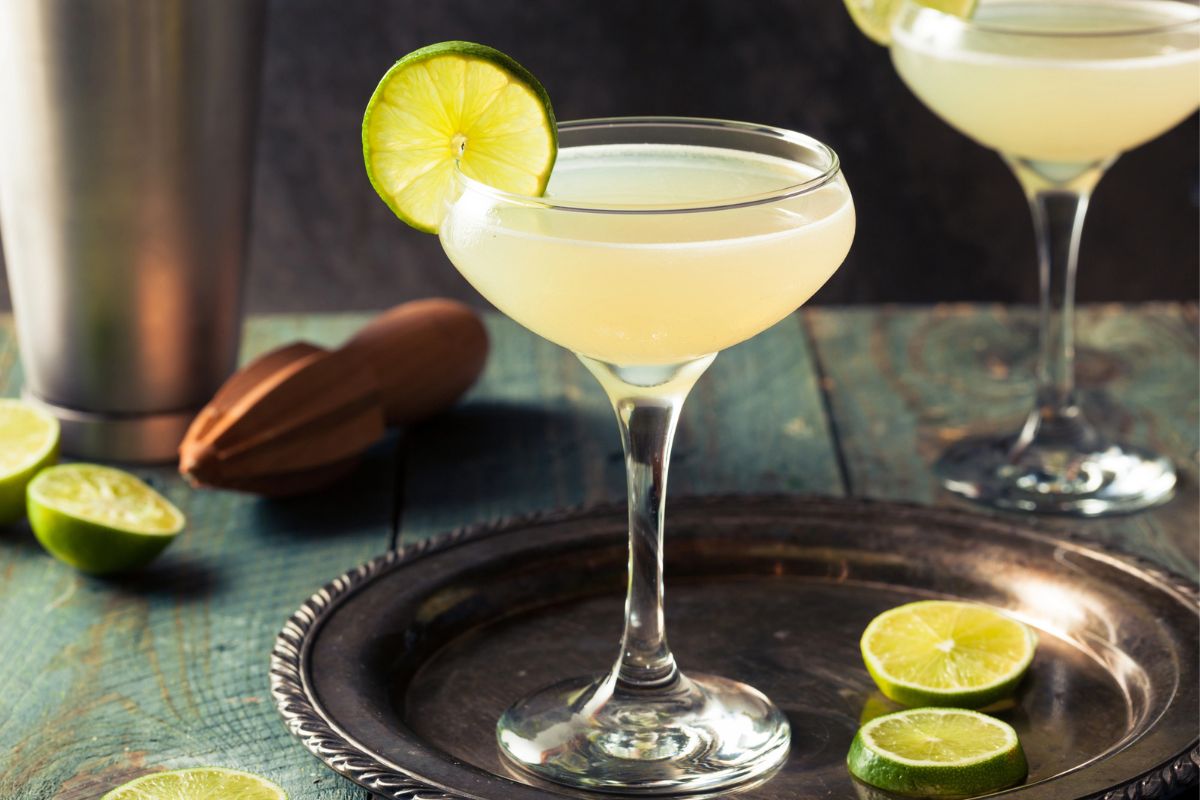
The Hennessy Margarita is a modern variation that replaces or blends tequila with cognac. It reflects a trend toward hybrid cocktails that mix traditions. This approach has become more common in recent years. The result is richer and slightly smoother than a classic Margarita. The citrus still provides structure. The base spirit shifts the overall

The Green Tea Shot is a modern bar favorite that has little to do with actual tea. It is named for its color rather than its ingredients. It gained popularity through repetition rather than history. Usually made with whiskey, peach, and citrus, it is sweet and easy to drink. The balance is designed to be
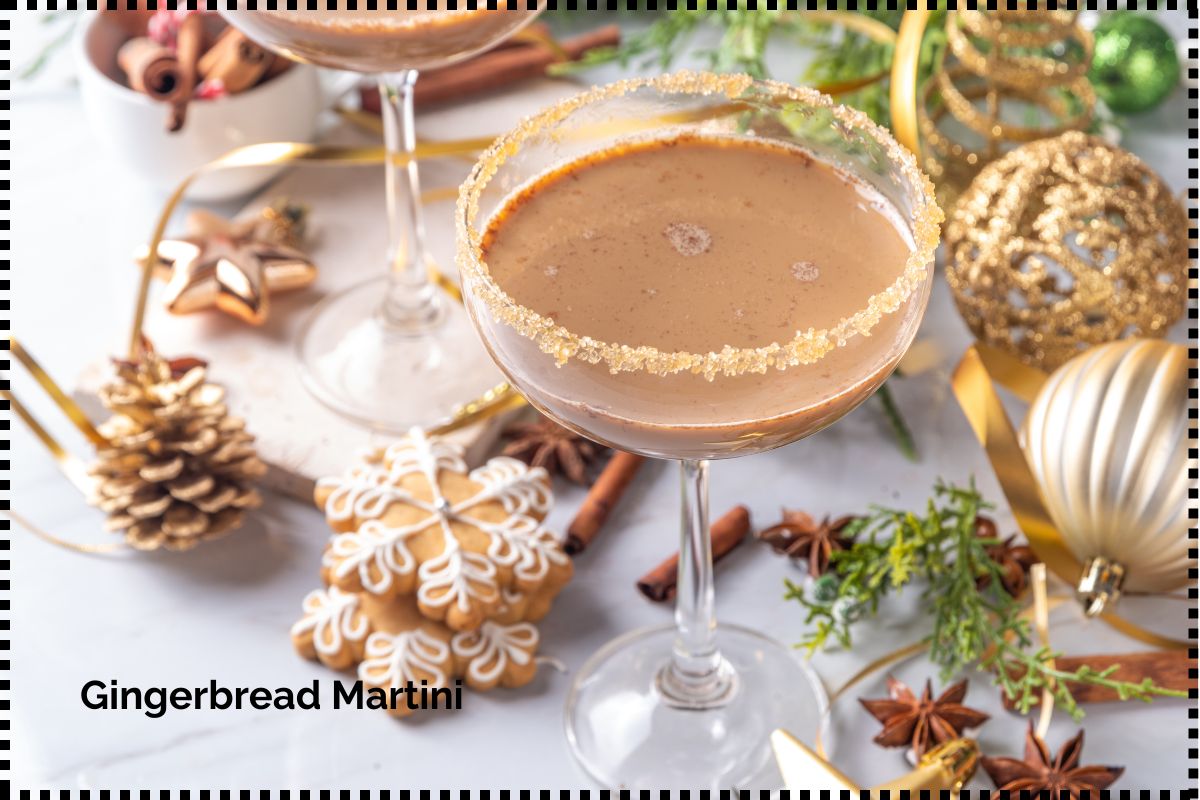
The Gingerbread Martini is a modern dessert style cocktail built around familiar holiday flavors. It draws from baking rather than traditional cocktail structure. With ginger, spice, and often cream or liqueur, it leans toward sweetness and texture. The goal is to evoke flavor rather than create balance. It is a drink that works best in
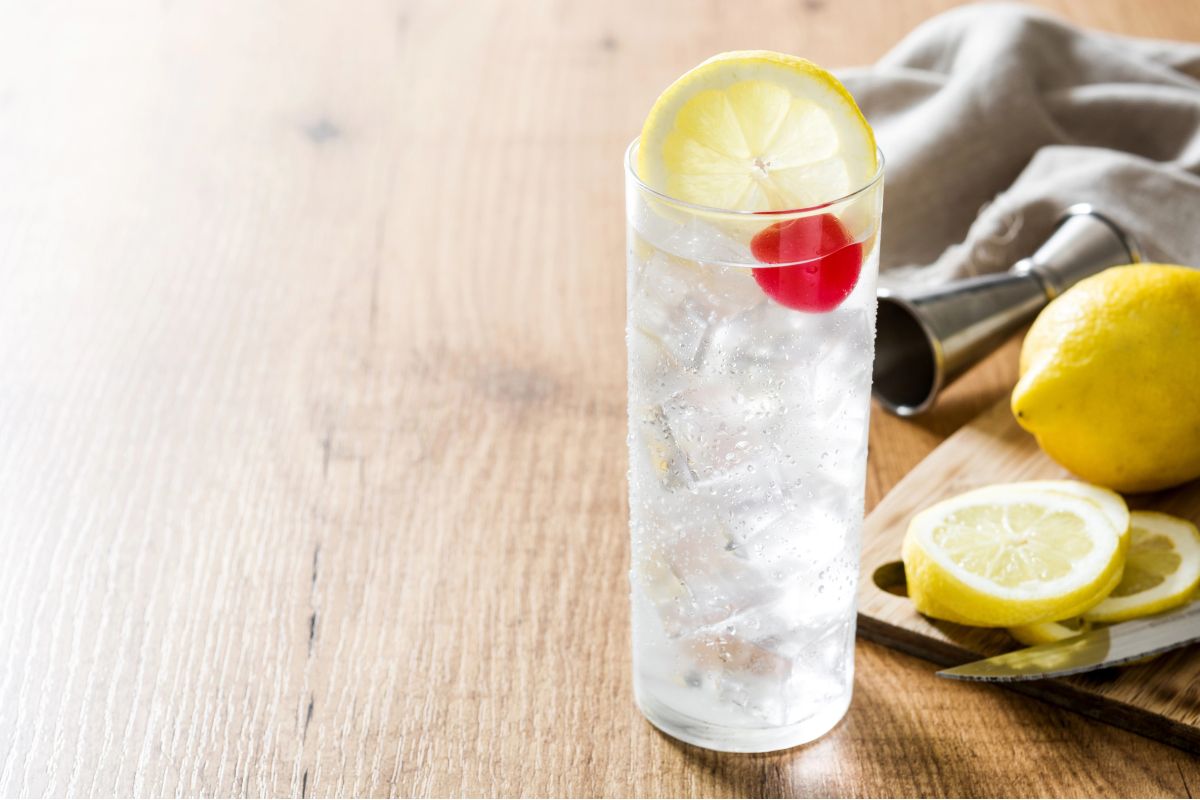
The CJ Collins builds on the traditional Collins format, which has been a staple since the nineteenth century. It follows a structure that has remained largely unchanged. That simplicity is part of its strength. With citrus, sugar, and a spirit base of Old Tom Gin, it follows the familiar pattern but introduces its own variation
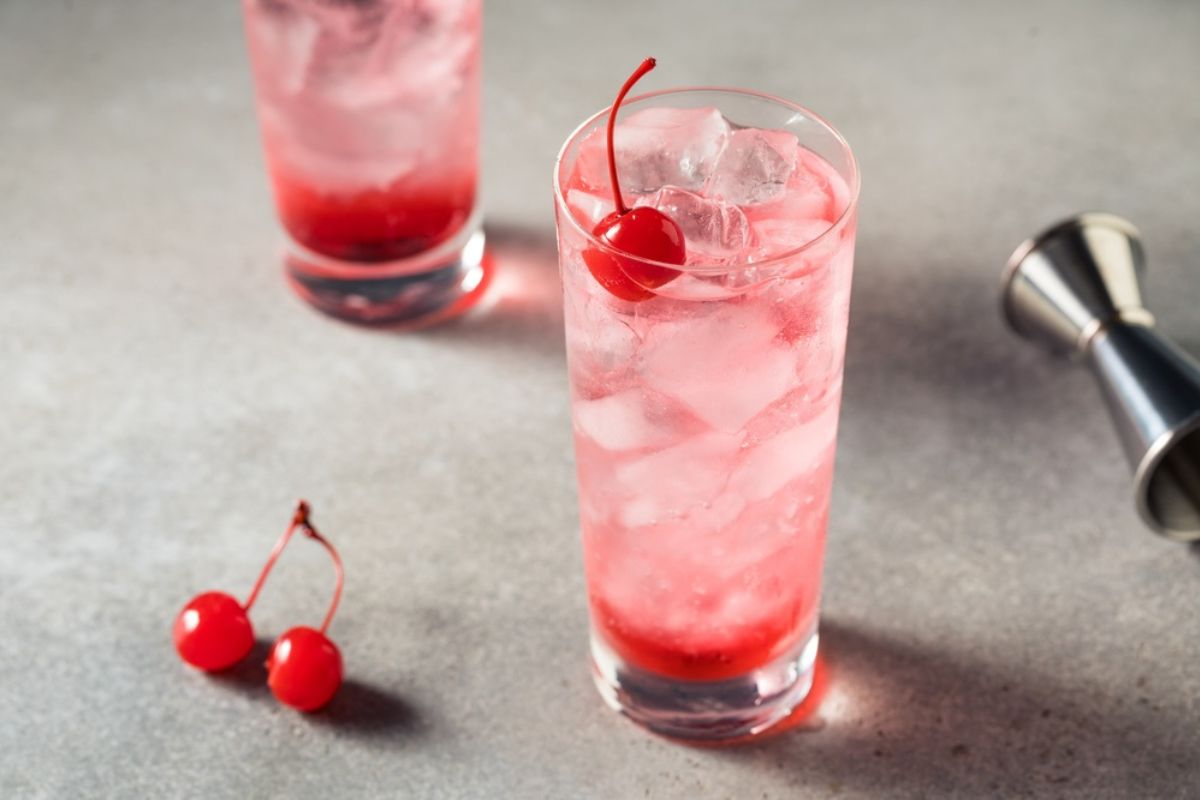
The Cherry Vodka Sour is a variation on the classic sour template, using cherry to add both color and sweetness. It reflects how adaptable the sour structure has always been. This format continues to evolve with different flavor additions. Vodka keeps the base clean while the cherry provides depth and fruit character. Cherries make it
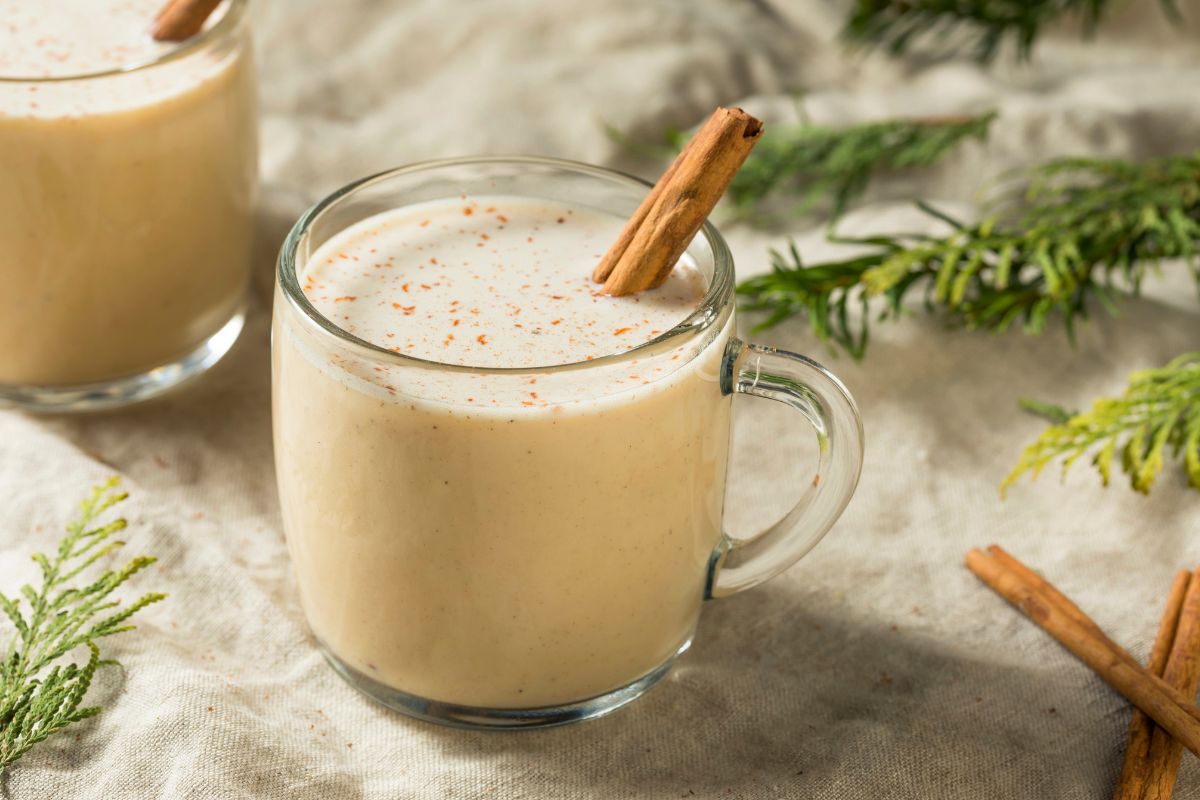
Gingersnap Punch is a modern, seasonal style of cocktail that leans into warm spice flavours often associated with baking. It reflects a broader trend of translating familiar food profiles into drinks. With spice and a base is pure ginger, it is warming without being heavy. It also lends itself well to batching, which makes it
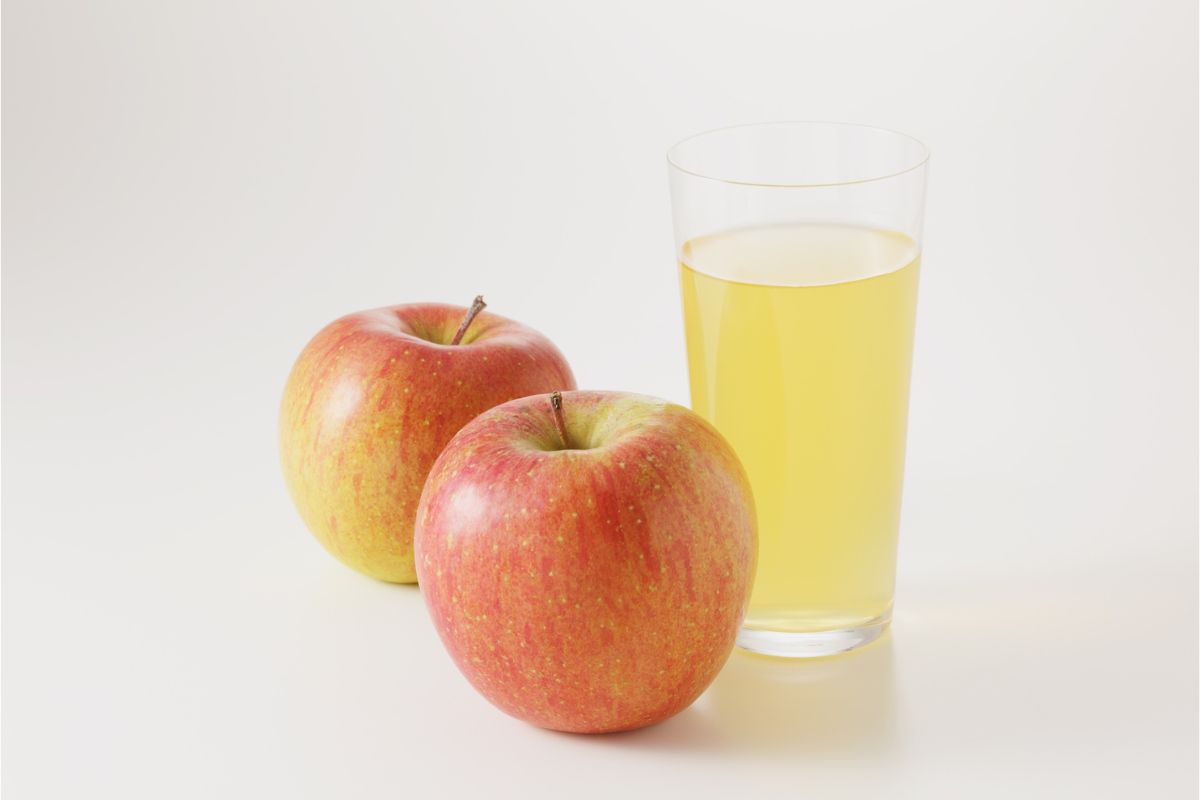
The Apple Pie Shot is part of a broader wave of dessert inspired drinks that aim to recreate familiar flavours in liquid form. It became popular in bars where recognisable profiles often matter more than complexity. Apple, cinnamon, and a base spirit combine to create something that is instantly identifiable, even before you taste it.
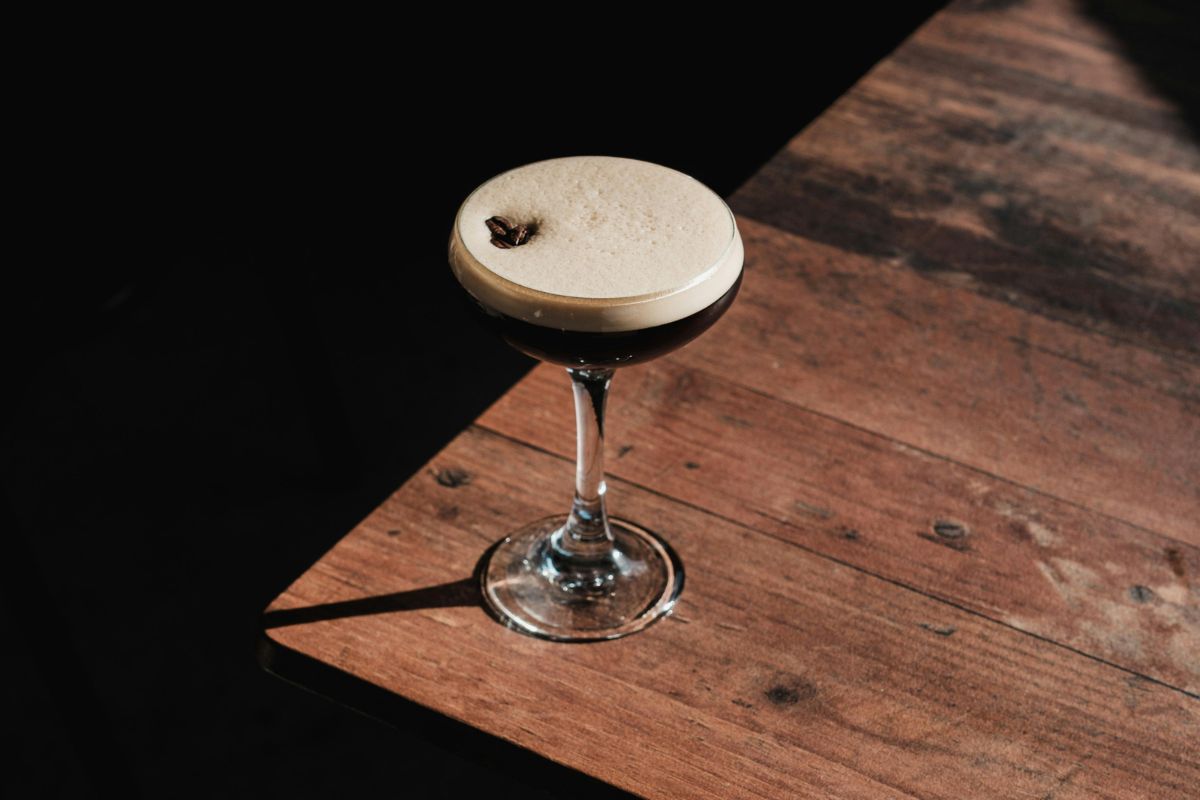
The Cardamom Espresso Martini builds on the modern classic by introducing a spice element that shifts the drink’s profile. It reflects a broader trend of adding subtle complexity to familiar formats. The cardamom brings warmth and a slightly aromatic edge that works naturally with coffee. It adds depth without overwhelming the structure of the drink.

The Festive Cosmopolitan builds on the original, one of the defining cocktails of the late twentieth century. It introduces seasonal elements while keeping the core structure intact. Variations like this are common because the base is so adaptable. Citrus and cranberry remain at the center, with added flavors giving it a slightly warmer profile. It

The cherry bomb shot is built for one thing: getting a party started fast. Drop a shot of cherry vodka and grenadine into a glass of Red Bull, and you have a sweet, sharp, caffeinated hit in under two minutes. No shaker, no strainer, no fuss. It is the kind of drink that shows up