
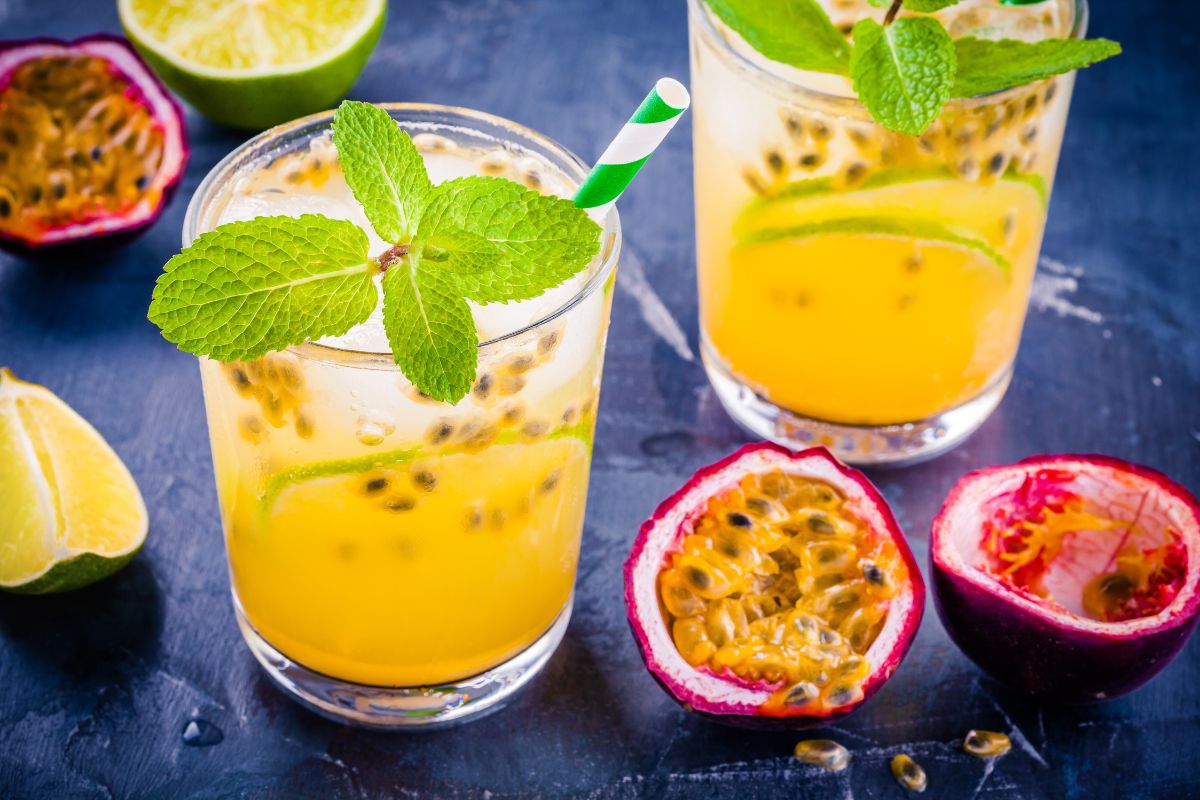
The East 8 Hold-Up is a bright, tropical London modern classic that shakes vodka, Aperol, pineapple, and passion fruit into one sunny, easy-sipping cocktail. Created by Kevin Armstrong for London’s Milk & Honey, it is one of those drinks that wins you over on the very first sip. What Is the East 8 Hold Up?
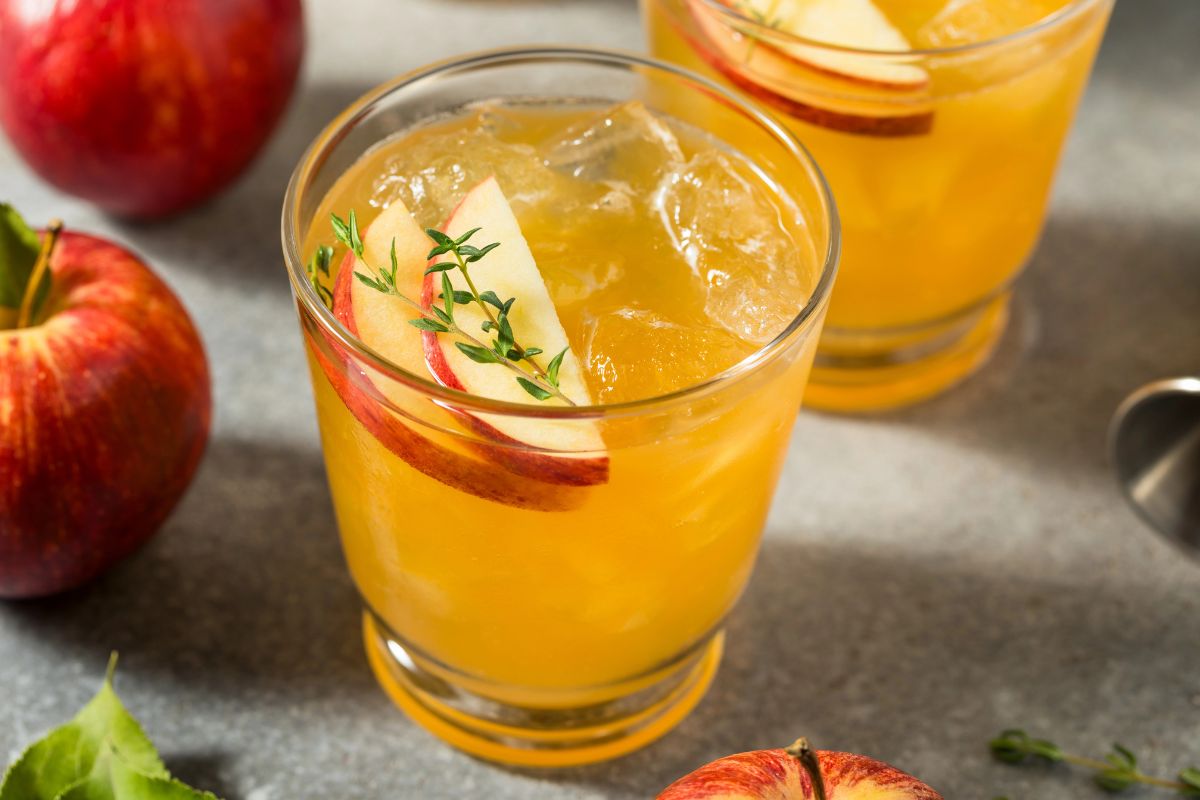
The Baked Apple Old Fashioned is a seasonal variation that builds on one of the oldest cocktail structures by introducing baked fruit flavors. It reflects a broader shift toward warmer, more autumnal profiles layered onto classic templates. Apple and spice soften the edges of the base spirit while keeping the familiar balance of sugar and
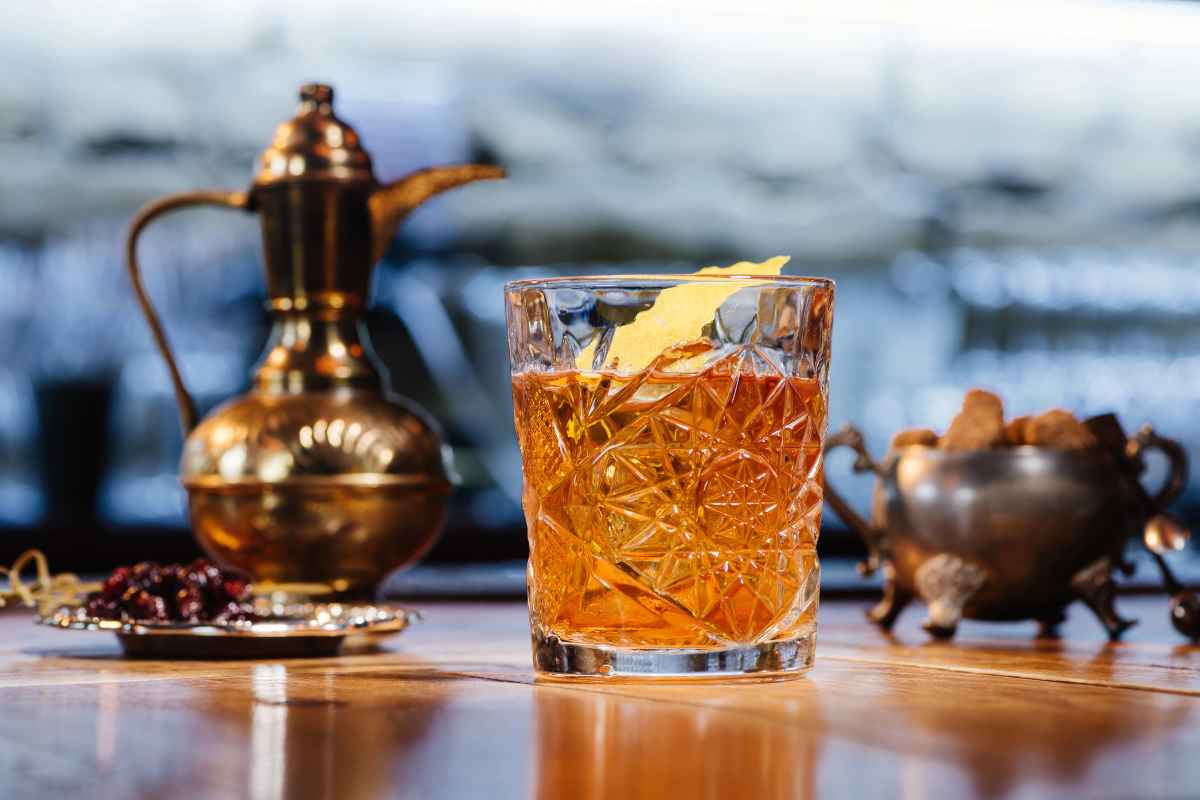
If the Old Fashioned is bourbon’s most famous showcase, the Kentucky Colonel is its quietest cousin. Just two ingredients, bourbon and Bénédictine, stirred and served over ice, with a name straight out of the South’s favorite honorary title. Simple, spiced, and criminally underordered. The Kentucky Colonel first appears in print in Jacques Straub’s 1914 Manual
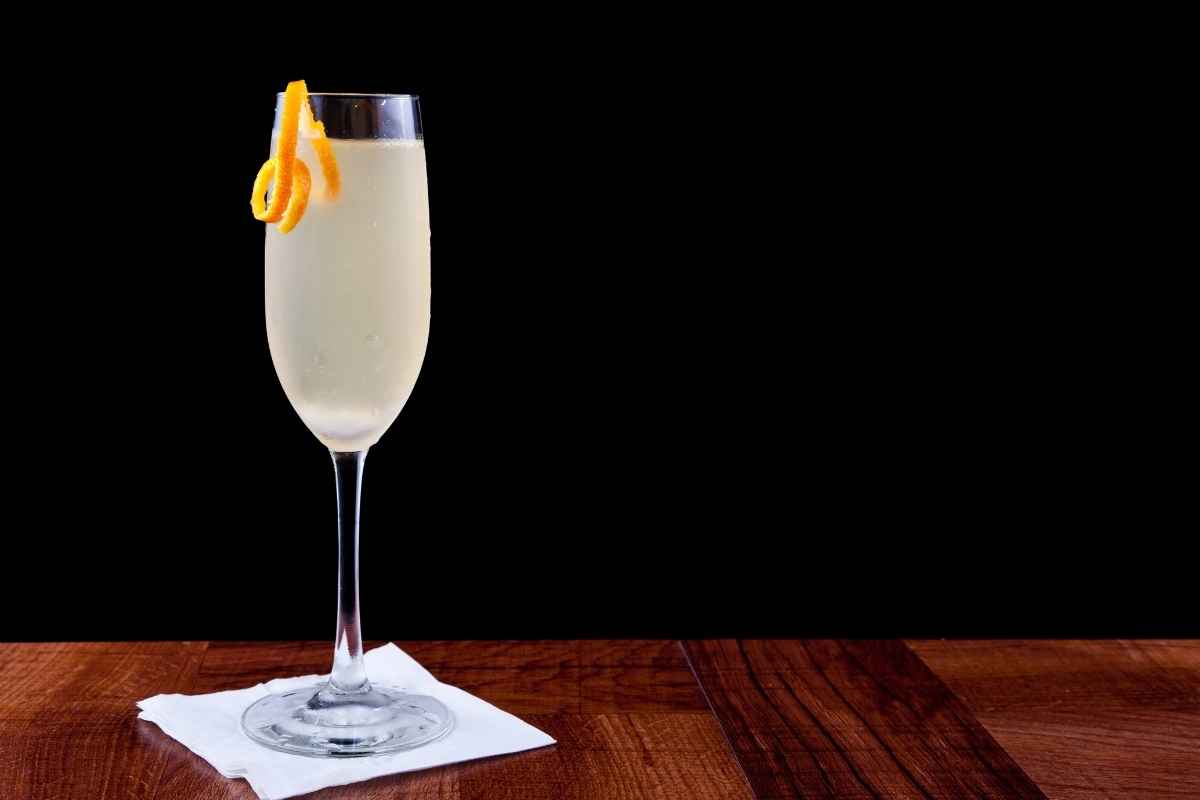
Some cocktail origin stories are almost too good to be true. The Seelbach’s actually is too good to be true, dreamed up by a Louisville bartender in 1995 who claimed he’d rediscovered a lost 1917 house recipe, and got away with it for over twenty years. Bourbon, orange liqueur, bitters, and champagne, with a story
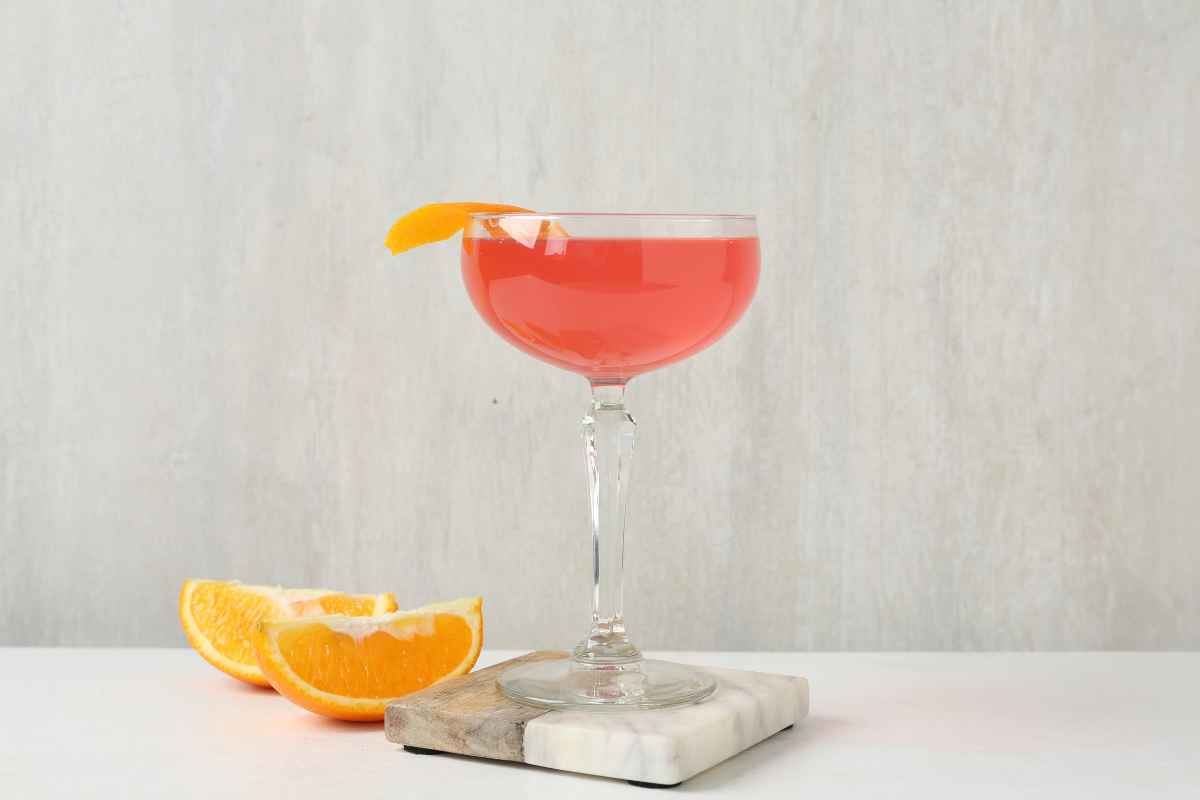
Prohibition drinkers didn’t wait around for the law to catch up. The Twelve Mile Limit is named after the exact stretch of water where American booze law stopped and the real party started, a three-spirit knockout of rum, rye, and brandy, sharpened with lemon and grenadine. Strong enough to justify the boat ride. The Twelve
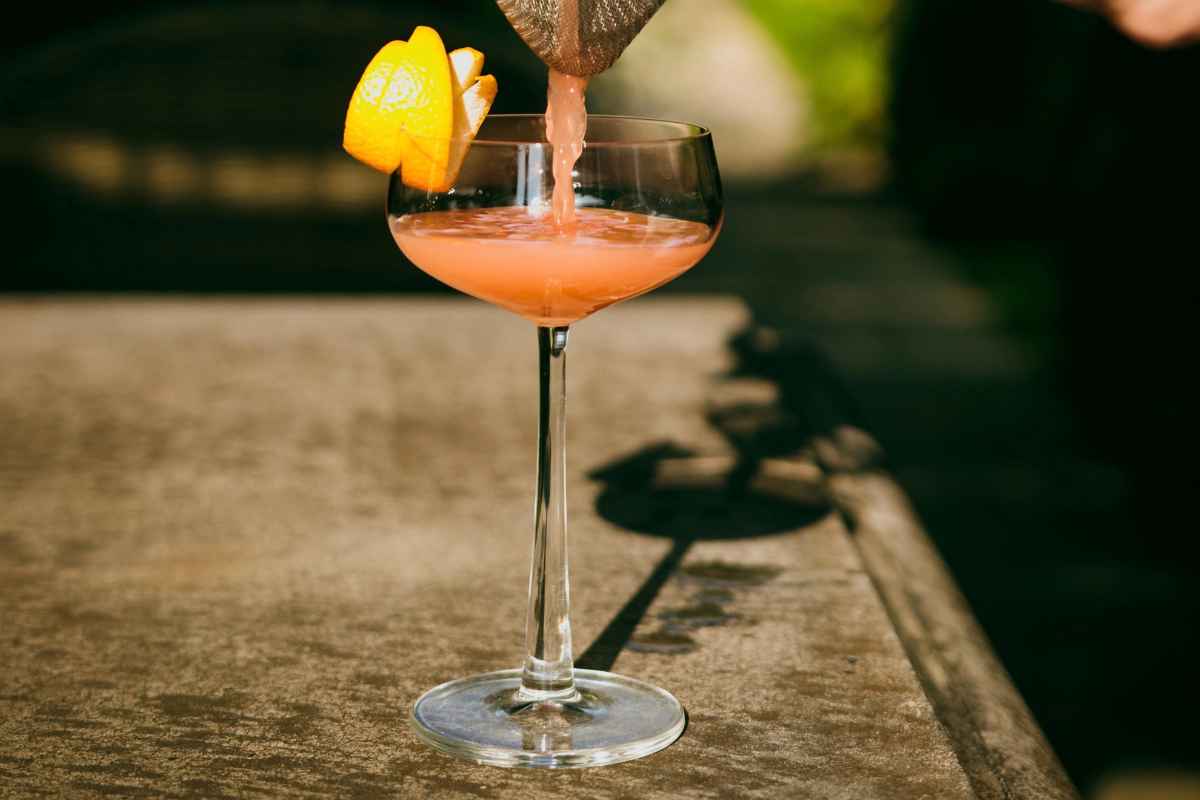
Named after one of the strangest medical fads of the 1920s, the Monkey Gland pairs gin and orange juice with a splash of absinthe and grenadine, and somehow makes the combination work beautifully. It’s one of the odder cocktail origin stories out there, and one of the tastier reasons to keep a bottle of absinthe
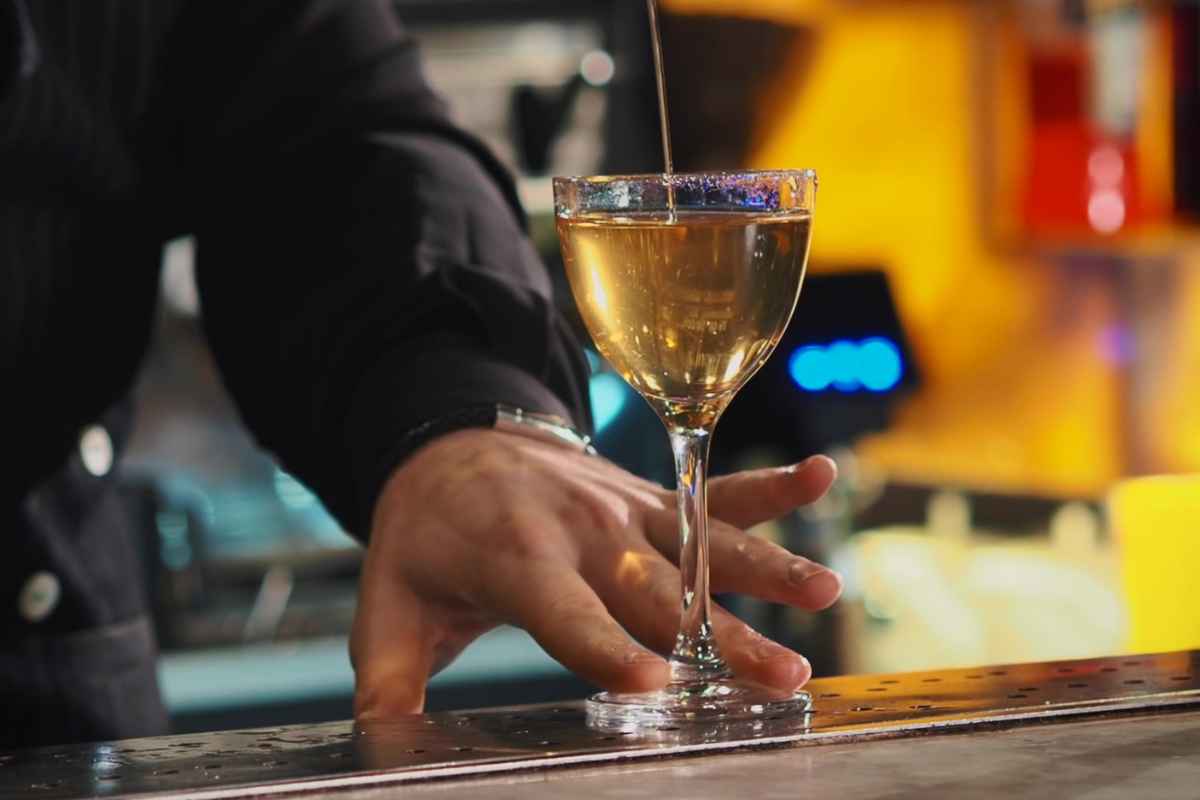
Not every classic cocktail needs a full pour of spirit to earn its place in the pre-Prohibition canon. The Chrysanthemum leans almost entirely on dry vermouth, dressed up with Bénédictine and a whisper of absinthe, and it has been quietly overlooked since it first appeared in 1916. The Chrysanthemum first turns up in Hugo Ensslin’s
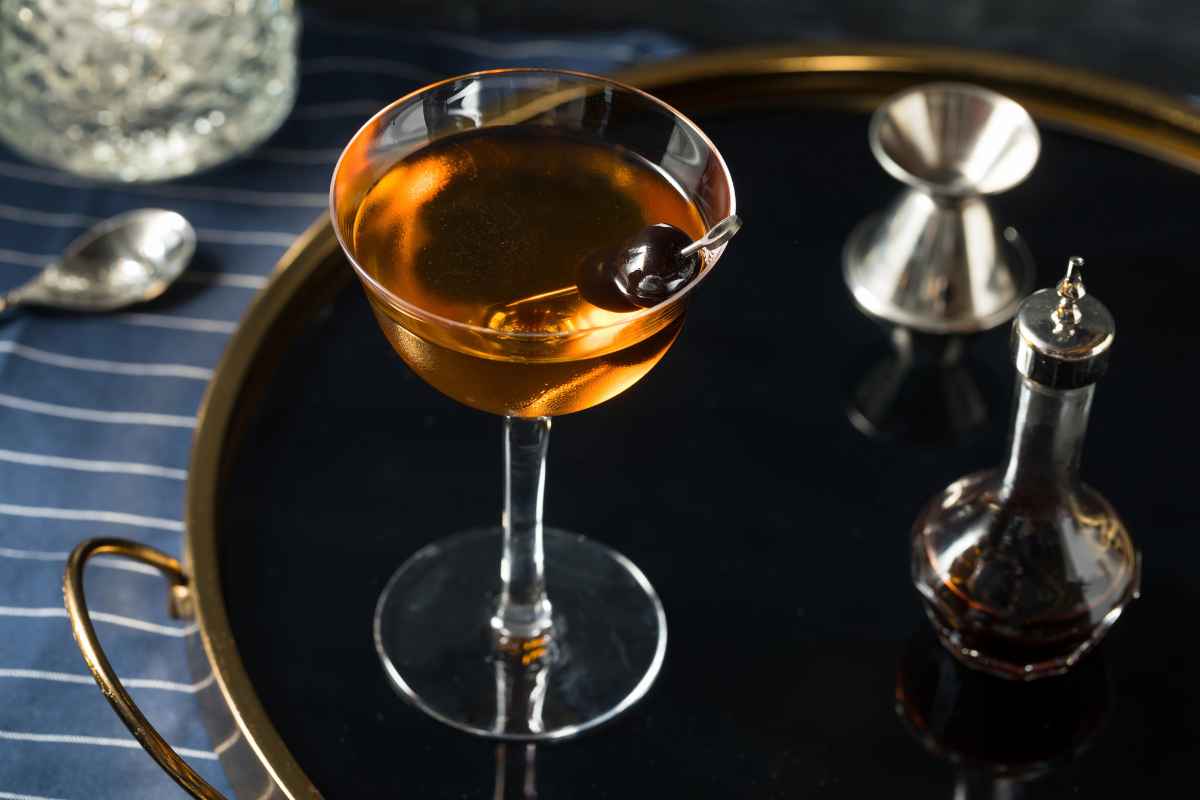
The Widow’s Kiss first appeared in print in 1895, in George J. Kappeler’s Modern American Drinks, one of the earliest American cocktail books and a document of just how sophisticated bar culture had become before Prohibition. Kappeler was headwaiter at the Holland House hotel in New York, serving a Gilded Age clientele who expected their
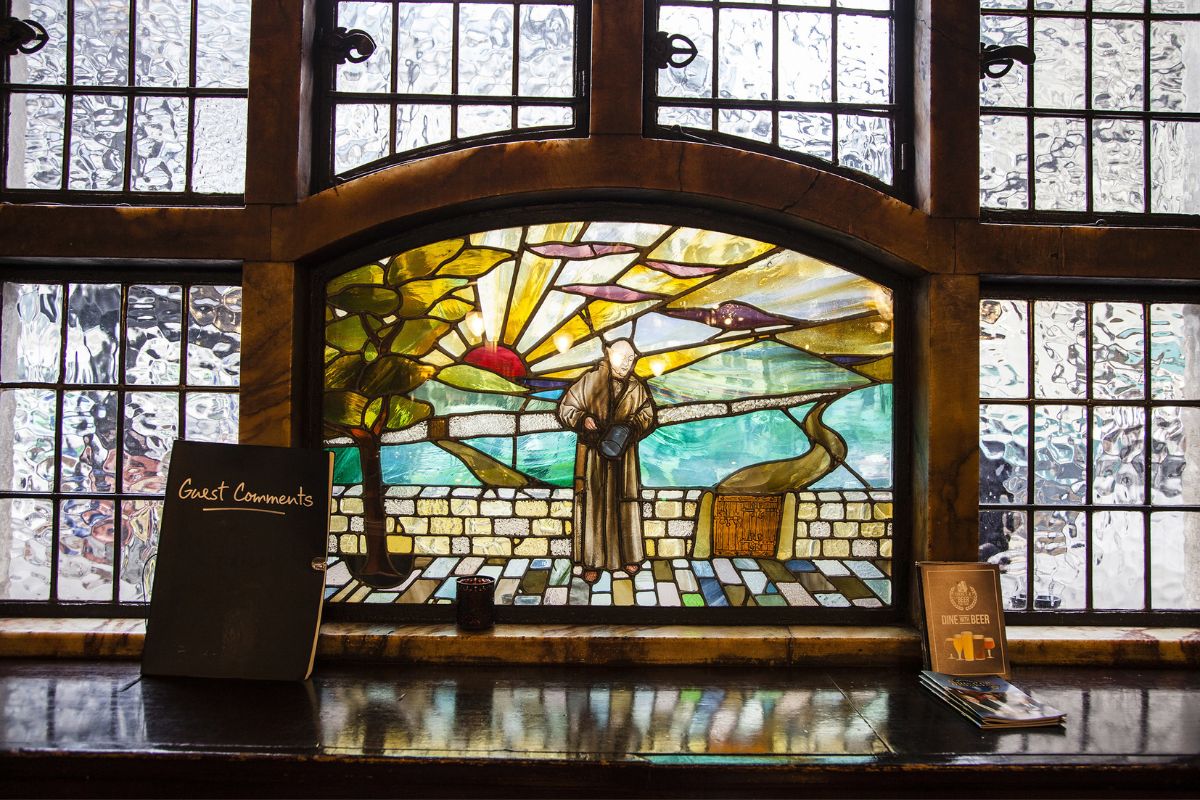
Some bars have been around for so long that the world outside their doors has changed completely. Empires have risen and fallen, cities have been rebuilt, and generations have come and gone. Despite that, people continue to walk through these doors for the same simple reasons: to have a drink, take a seat, and socialise.
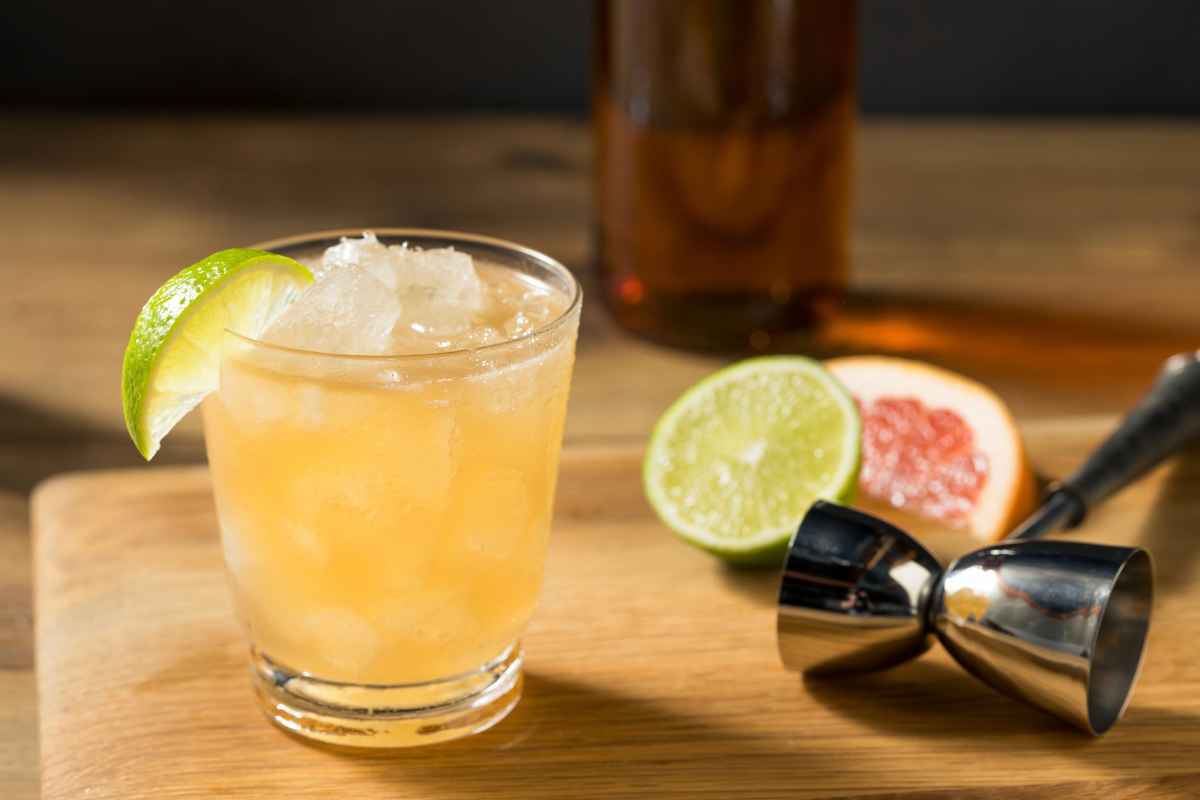
The word “grog” has a naval pedigree long before it ever got near a tiki mug. In 1740, British Admiral Edward Vernon, nicknamed “Old Grogram” for the grogram cloak he wore on deck, ordered that his sailors’ daily rum ration be cut with water. Sailors being sailors, they named the diluted stuff after him. Grog