
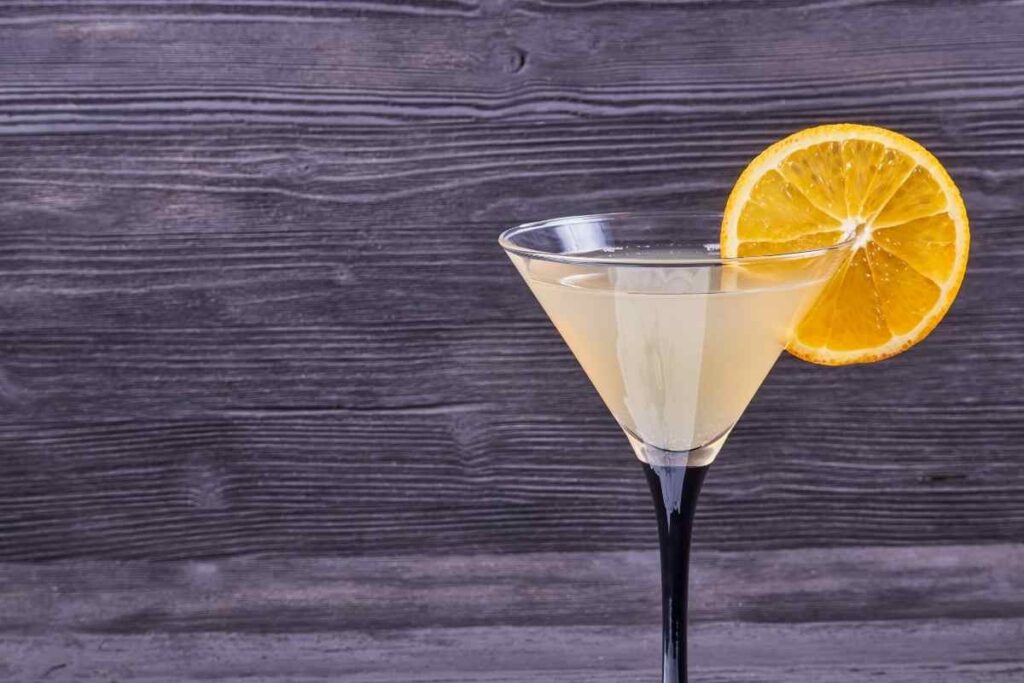
The Breakfast Martini is a modern classic with a very distinct personality. This version softens the sharper edges and makes the drink feel more at home in January. Seville orange marmalade brings its familiar bitterness, honey smooths the finish, and gin keeps everything upright and properly martini-like. It still tastes like a Breakfast Martini. It
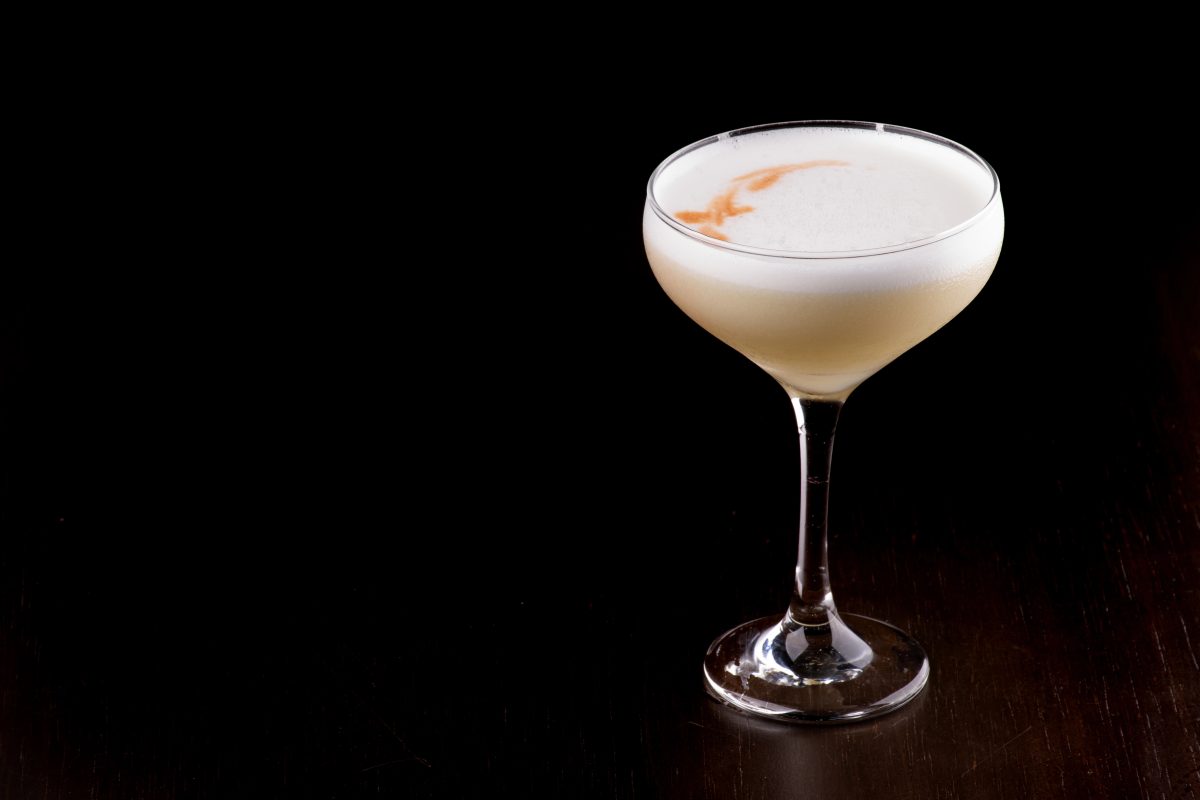
A sour does not need to shout with citrus to be interesting. This version lets spice do the heavy lifting. Allspice brings warmth, depth, and just enough bite to keep the rum from drifting into dessert territory. The result feels steady, winter-friendly, and quietly persuasive. This is the kind of drink that makes you slow

The Old Fashioned does not need rescuing. It does, however, respond well to a little supervision. This version swaps part of the usual sweetness for black tea, which brings tannin, grip, and a faint dryness that keeps the drink alert. Think less dessert, more conversation. Tea gives the whiskey something to lean against. The result
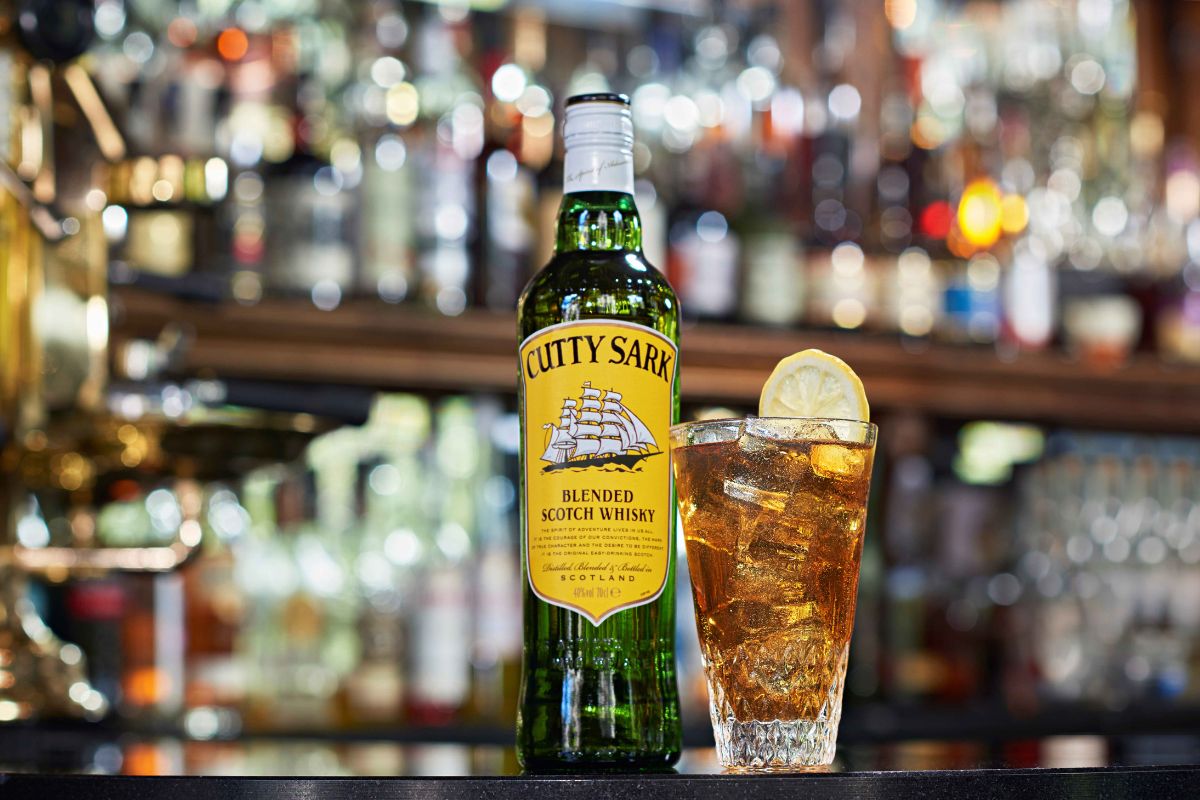
Founded in London in March 1923, Cutty Sark has endured as one of the world’s most beloved blended whiskies, known for its iconic yellow label and global spirit of adventure. As preparations begin for Burns Night on 25th January, this is a whisky with its own story to tell – of a name proudly rooted

Driven by technique, creativity, and locally sourced ingredients, Aurora pays homage to Puerto Rico’s culture while continuing to build momentum toward recognition on the 50 Best list. Aurora, the craft-cocktail destination on Calle Cerra, marked its first anniversary with a four-day celebration that brought together some of the island’s most influential names in mixology, cocktail
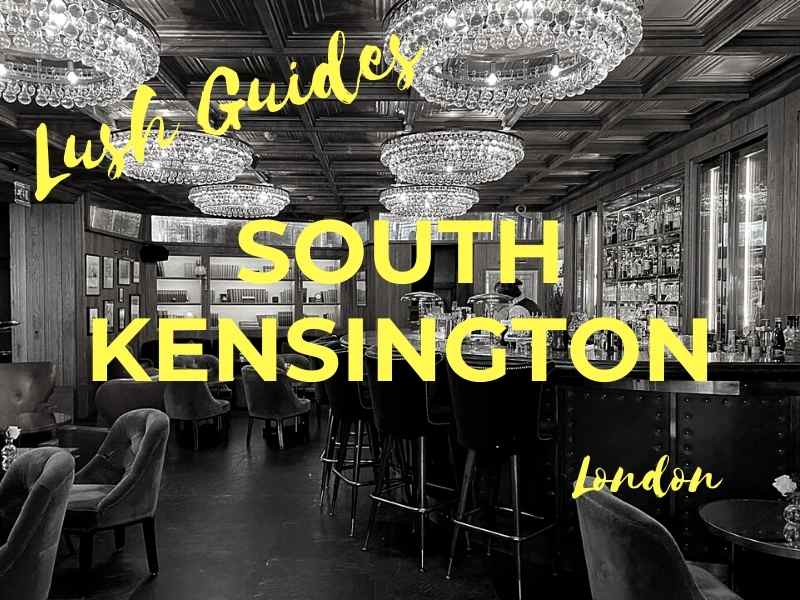
Traditionally if you wanted a great cocktail in South Kensington, you made it yourself. Now the tide has turned and some of the best bars in South Kensington are some of the best bars in the world. Not only have they become part of the neighborhood, but they are also winning awards for their cocktail

An immersive celebration of Scotland’s spirit with whisky tastings, poetic performances, and innovative cocktails at one of Hackney’s most loved bars, Equal Parts! Equal Parts, the acclaimed Hackney cocktail bar, is teaming up with Nc’nean, the award-winning Scottish distillery, for a one-of-a-kind Burns Night event: ‘Burns Rewritten’ on Saturday, 24th January. This immersive evening will
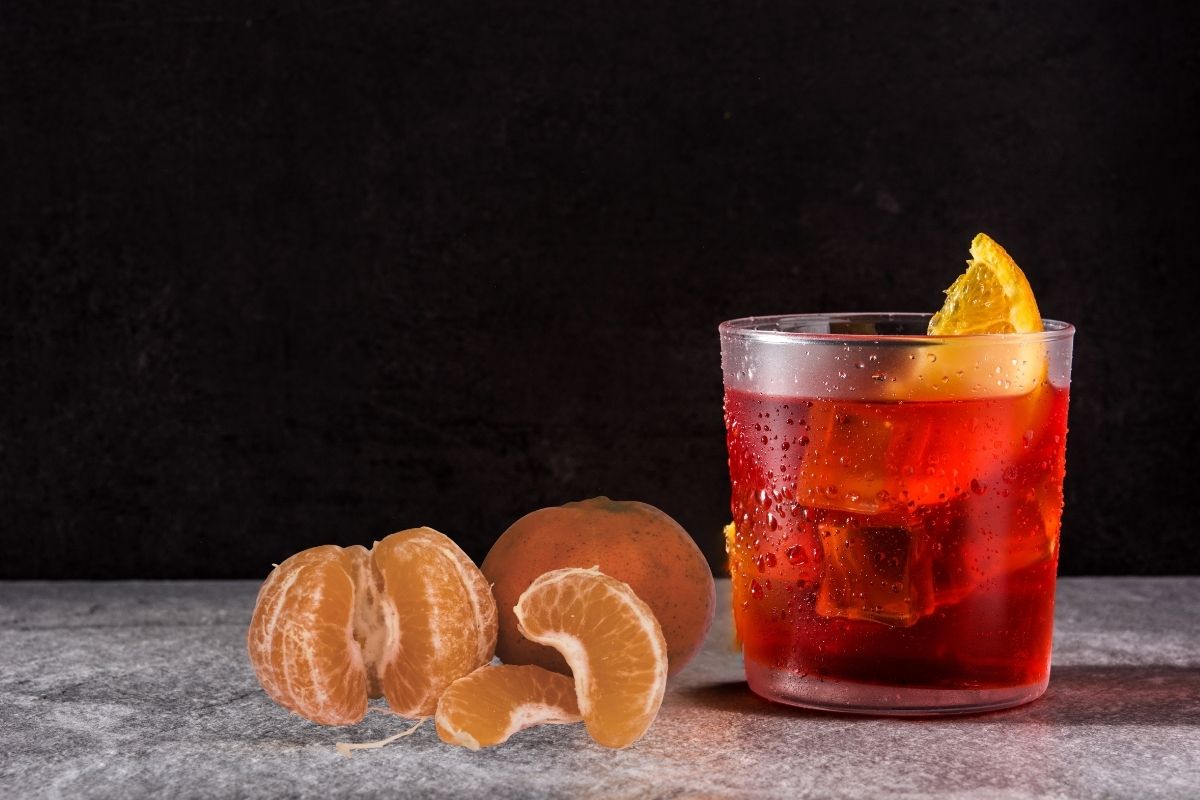
Some cocktails only need a small, thoughtful adjustment rather than a full rethink. The Negroni already gets almost everything right, particularly if you love that bittersweet backbone found in classics like the Classic Negroni recipe that reward restraint over excess. This version swaps the usual orange peel for mandarin, which brings warmth without sweetness and
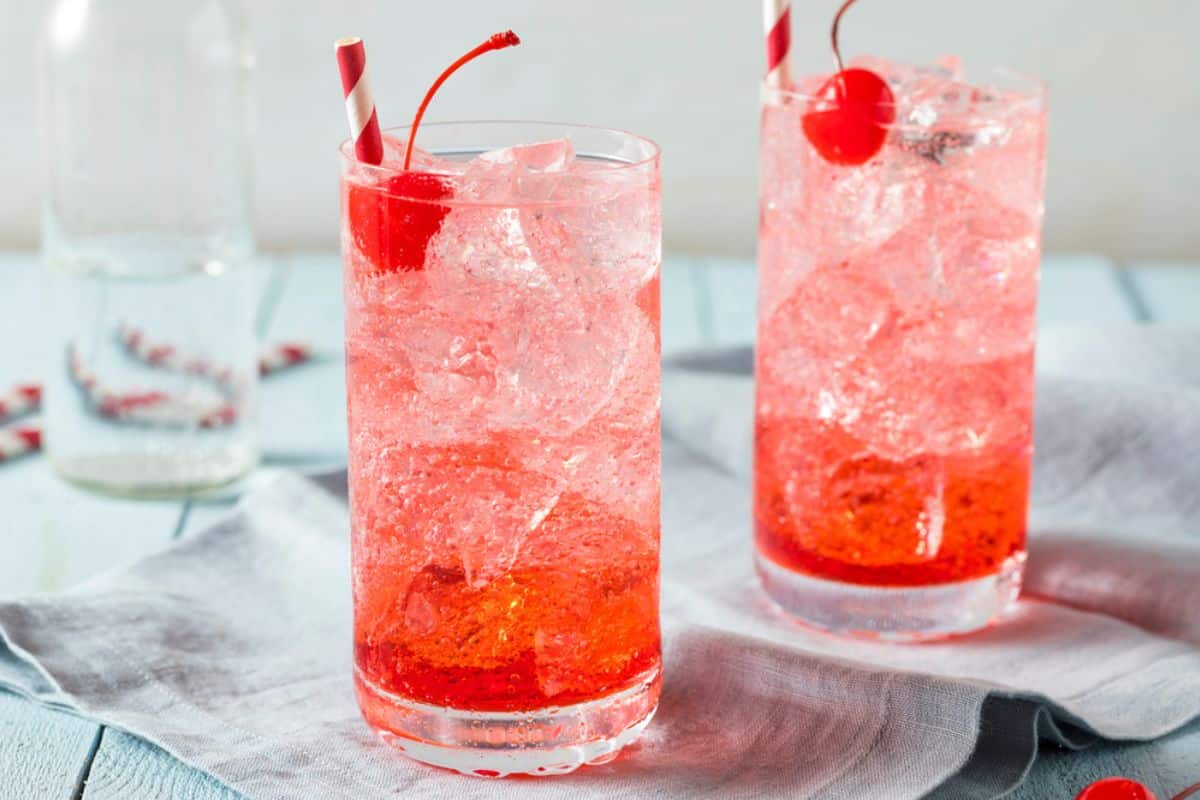
The Cherry Vodka Sour is what happens when a classic sour gets dressed for modern drinking. It’s bright, lightly tart, not overly sweet, and easy enough to make on a weeknight without feeling like you cut corners. If you like cocktails that feel balanced and unfussy, this one earns its spot. Unlike syrup-heavy cherry drinks

The Paloma already does most of the work, which is exactly why it’s worth revisiting in January. Built on tequila and grapefruit, it’s one of those drinks that survives endless reinterpretation because the structure is sound. What usually lets it down is excess—too much sugar, aggressive fizz, or a vague attempt to make it “fun.”