
You’ve bought the spirits and your shaker is ready, but now you need all the other stuff. Mixers and ingredients may play supporting roles to the bottles on your bar, but they can completely change a cocktail. Flat tonic will ruin a perfectly good G&T, bottled lime juice has no business anywhere near a Daiquiri, and the right syrup can transform three simple ingredients into something rather fabulous.
The good news is that you don’t need to fill your refrigerator with every juice, mixer and garnish known to bartending. My Lush Guide to home bar mixers and ingredients covers what is actually worth keeping around, from tonics and fresh citrus to syrups, bitters, garnishes and a few extras to add as your cocktail repertoire expands.
THE LUSH LIFE SHORTCUT
Start with tonic and soda water, fresh lemons and limes, sugar for simple syrup and a bottle of Angostura bitters. Then buy everything else according to the cocktails you actually want to make. Freshness matters much more than having 27 different ingredients sitting around waiting for their moment.
What Mixers and Ingredients Does a Home Bar Need?
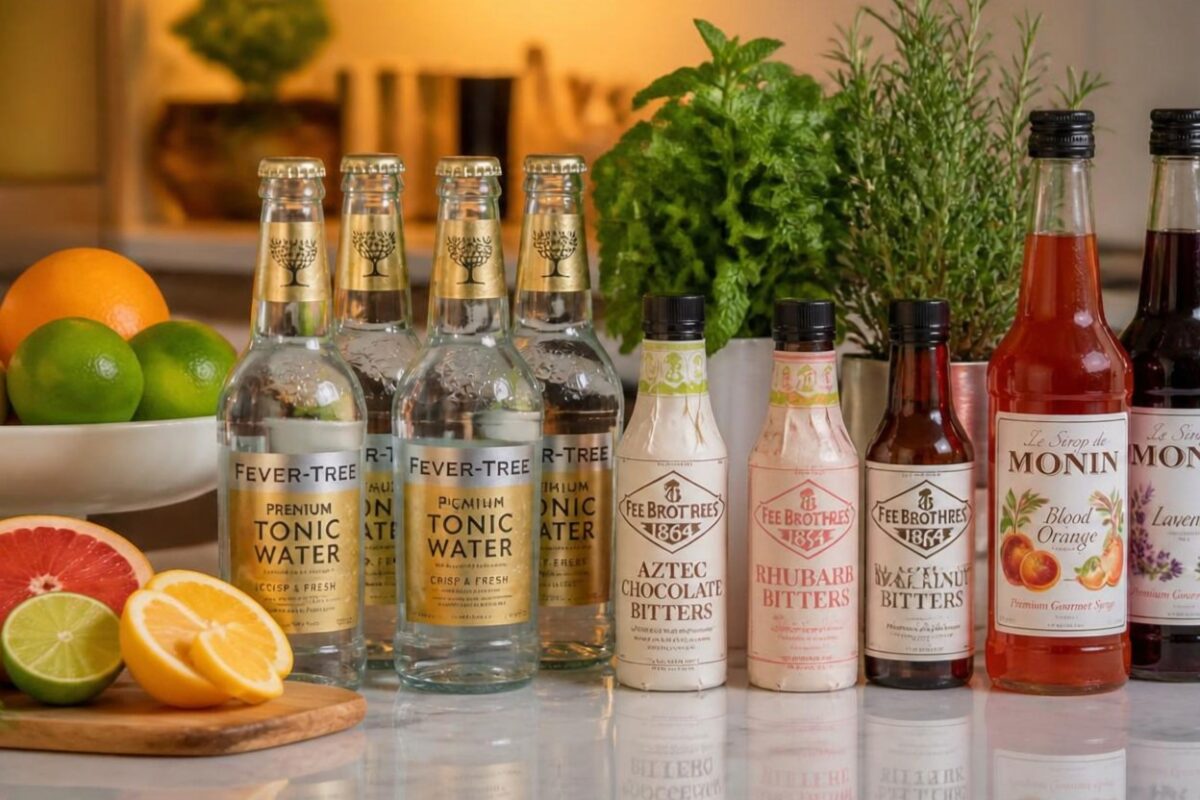
Before you go shopping, think about your favorite cocktails. A Gin & Tonic obviously requires tonic, a Margarita needs fresh lime, Mojitos need mint and an Old Fashioned needs sugar and bitters. There is no point buying pineapple juice, coconut cream and grenadine if the closest you ever get to a tropical cocktail is putting a little umbrella in your G&T.
At its simplest, divide your home bar ingredients into carbonated mixers, fresh juices, syrups and sweeteners, bitters, herbs and garnishes. Start with what you know you’ll use and add to your collection as you discover new cocktails.
Tonics, Soda and Other Mixers
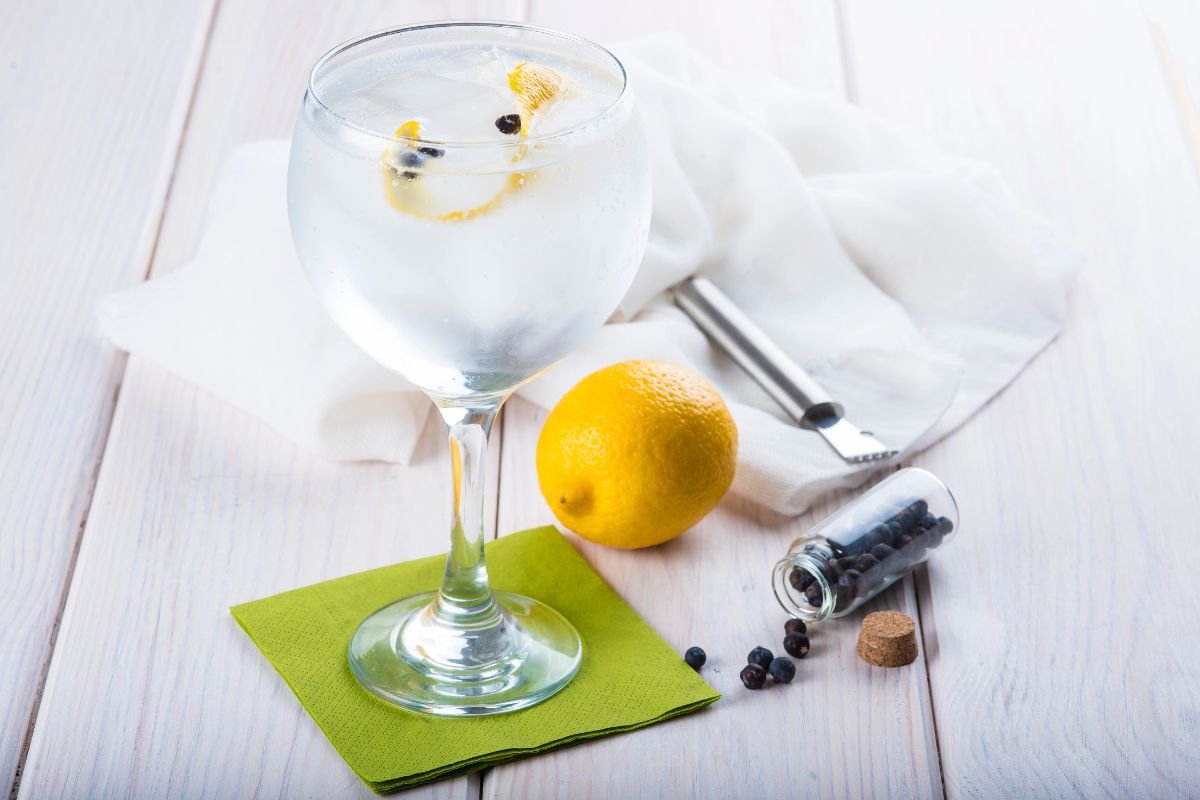
Not all tonic water is created equal. At its most basic, tonic is carbonated water flavored with quinine and sweetened, but today’s shelves are filled with everything from classic Indian tonic to Mediterranean, elderflower and other flavored versions. For your first home bar, I’d start with a good classic tonic and experiment from there.
More importantly, buy tonic in small bottles or cans. Unless you’re making G&Ts for half the neighborhood, an enormous bottle will probably go flat before you finish it, and nothing kills a Gin & Tonic faster than tired tonic water.
Soda water is another home bar essential. It turns up in everything from the Tom Collins and Mojito to the Americano and countless Highballs, adding bubbles without bringing much additional flavor or sweetness to the party. As with tonic, smaller bottles or cans mean you can open it just before you need it.
One word of warning: add carbonated mixers at the end. Please don’t put soda water into your cocktail shaker unless you’d also like to redecorate the kitchen.
Ginger Beer, Ginger Ale and Cola
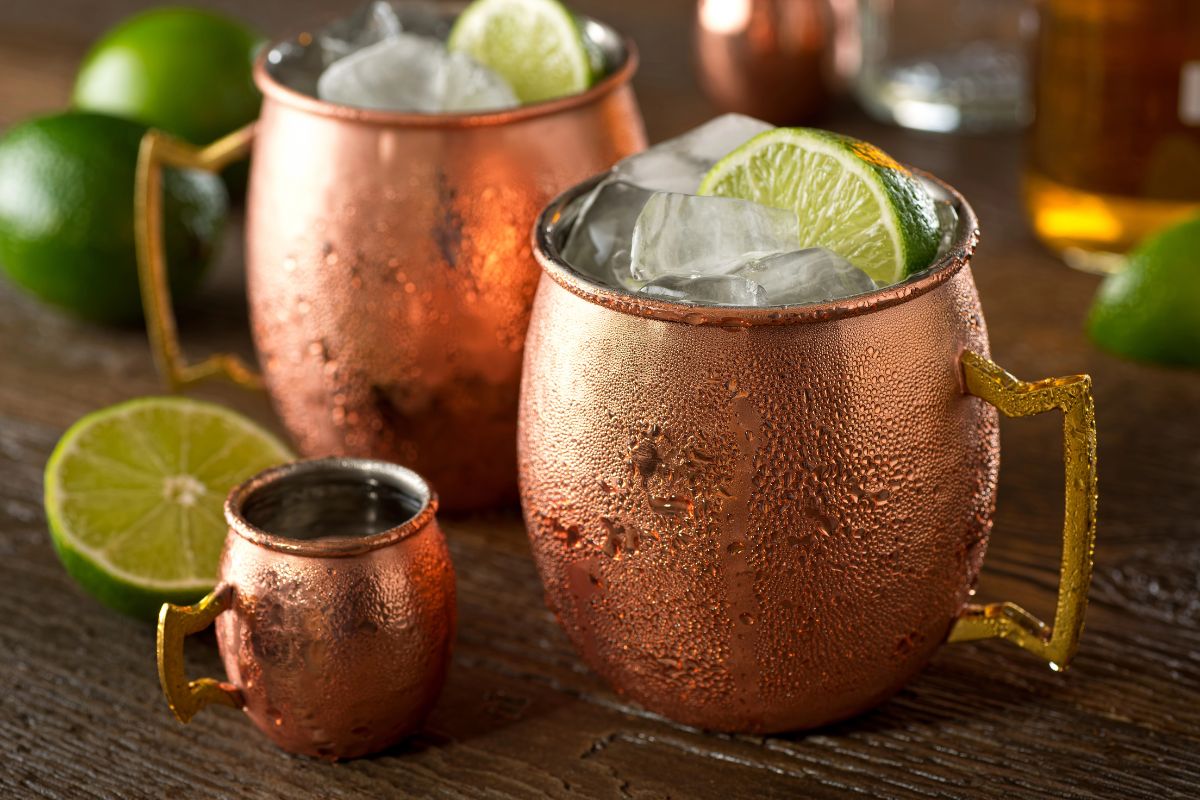
Ginger beer and ginger ale are not the same thing. Ginger beer generally has a much stronger, spicier ginger character, while ginger ale tends to be lighter and sweeter. If you’re making a Moscow Mule, ginger beer is what you want; ginger ale is useful for longer, lighter drinks and is particularly good with whiskey.
If I were choosing only one, I’d start with a good spicy ginger beer. Cola is also worth keeping around if you drink it, particularly for rum and whiskey drinks, but there is no reason to stock every soft drink imaginable just in case someone asks for one.
Fresh Juices
If you remember only one thing from this page, make it this: use fresh citrus juice. Lemons and limes are probably the hardest-working fresh ingredients in any home bar, and there simply isn’t a substitute for squeezing them when you need them.
Fresh lime gives us the Margarita, Daiquiri, Gimlet and countless tropical cocktails, while lemon appears in the Whiskey Sour, Tom Collins, French 75 and Sidecar. A handheld citrus press makes the whole process considerably easier and is one of those inexpensive pieces of equipment that you’ll use constantly.
If you’re still putting together your equipment, my guide to essential home bar tools covers what you really need and what can wait until later.
What Other Juices Do You Need?
This is where I would resist the urge to stock everything. Buy juices according to what you’re actually planning to make, particularly because once they’re open, they won’t last forever.
Orange juice is useful for the Screwdriver and Garibaldi, while grapefruit gives you the Paloma, Greyhound and Brown Derby. Pineapple juice takes you straight into tropical cocktail territory and creates a wonderful texture when shaken, while cranberry earns its place if you’re making Cosmopolitans. Tomato juice, of course, is non-negotiable if Bloody Marys are part of your life.

Syrups and Sweeteners
If you’re buying bottled simple syrup, I have some excellent news: you can stop. Simple syrup is essentially sugar and water, takes minutes to make and costs almost nothing.
Once you’ve mastered the basic version, you can start playing. Honey, ginger, cinnamon, vanilla, rosemary and Demerara syrups can completely change a cocktail and are some of the easiest ways to experiment with flavor at home.
Grenadine and Orgeat
Proper grenadine is not simply red sugar syrup. It’s based on pomegranate and brings fruit, sweetness and acidity to a cocktail. You can make it yourself, but there are also some excellent bottled versions available; just take a look at what’s actually in the bottle before you buy.
Orgeat takes you a little further down the cocktail rabbit hole. It’s an almond syrup traditionally flavored with ingredients such as orange flower or rose water and is essential if you want to make a proper Mai Tai. You can see exactly how it works in my Trader Vic’s Mai Tai recipe, which combines orgeat with rum, lime, orange curaçao and sugar syrup.
If you fancy exploring the cocktail further, I also have a collection of Mai Tai cocktails to make at home.
Agave, Honey and Other Sweeteners
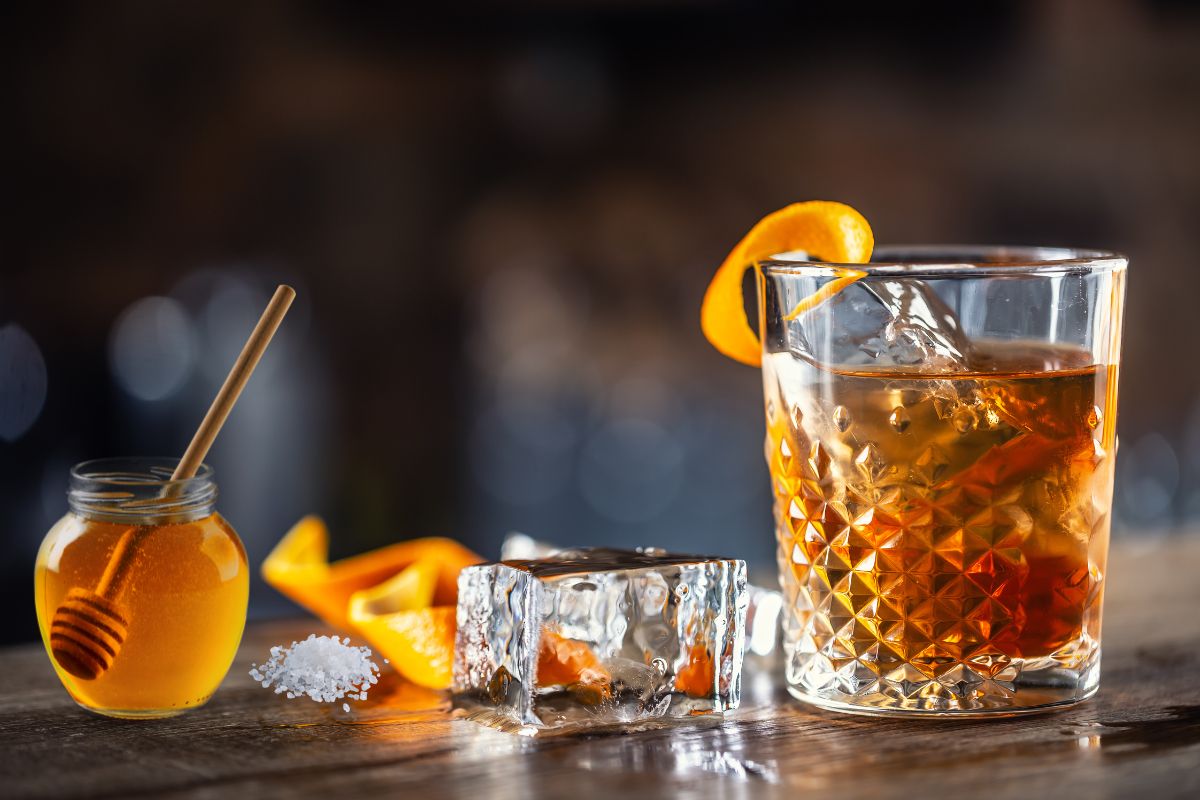
Sugar isn’t your only option. Agave syrup is particularly useful in tequila and mezcal cocktails, while honey works beautifully with whiskey, gin and rum. Honey is easier to mix into a cold cocktail when diluted into a honey syrup first.
Maple syrup can be fantastic with darker spirits too. None of these needs to live permanently on your cocktail shopping list, so add them as you discover recipes that call for them.
Bitters
Bitters may come in tiny bottles, but don’t underestimate them. A few dashes can completely alter a cocktail, which is why they’re often described as the seasoning of the cocktail world.
If you’re buying only one, make it Angostura aromatic bitters. It’s essential for the Old Fashioned and Manhattan and appears in an extraordinary number of other recipes. Orange bitters would be my second bottle, particularly if Martinis are regularly being made in your house.
After that, things can get slightly out of hand. Chocolate, grapefruit, celery, cardamom, peach, lavender, there seems to be a bitter for everything. You absolutely don’t need them all.
Fresh Herbs and Garnishes
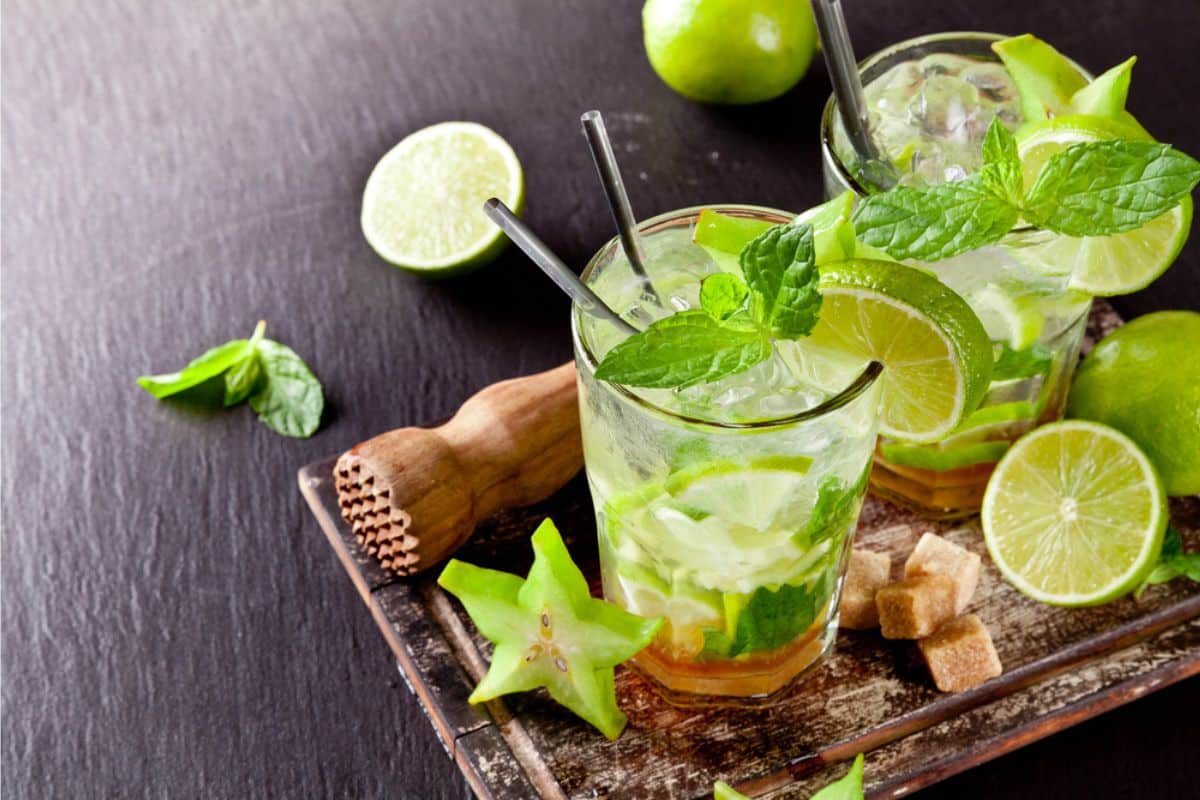
Mint is the obvious herb to keep around if you’re making Mojitos, Mint Juleps or tropical cocktails. Basil, rosemary, thyme and sage can all find their way into drinks too, but I wouldn’t buy them specifically for your bar unless you know you’re going to use them.
One important rule when using herbs: don’t pulverize them. If you’re muddling mint, you’re trying to release its aromatic oils, not punish it for something it did in a previous life.
If muddling is new to you, head over to my guide to choosing and using a cocktail muddler.
Garnishes are the finishing touch. Martini drinkers should invest in good olives, while Manhattan and Old Fashioned fans will get plenty of use from proper cocktail cherries. Keep lemons and oranges around for citrus twists, which don’t just look fabulous; the oils from the peel add aroma to the finished cocktail.
Salt, Sugar and Cocktail Rims
If Margaritas are regularly on the menu, keep some good salt around. You don’t need anything labelled “Margarita salt”; a good-quality salt will do the job perfectly well.
Sugar rims have their place too, and you can start playing with flavored salts and sugars as you get more adventurous. One little trick I like is coating only half the rim of a Margarita glass. That way whoever is drinking it can choose whether each sip comes with salt.
What About Eggs?
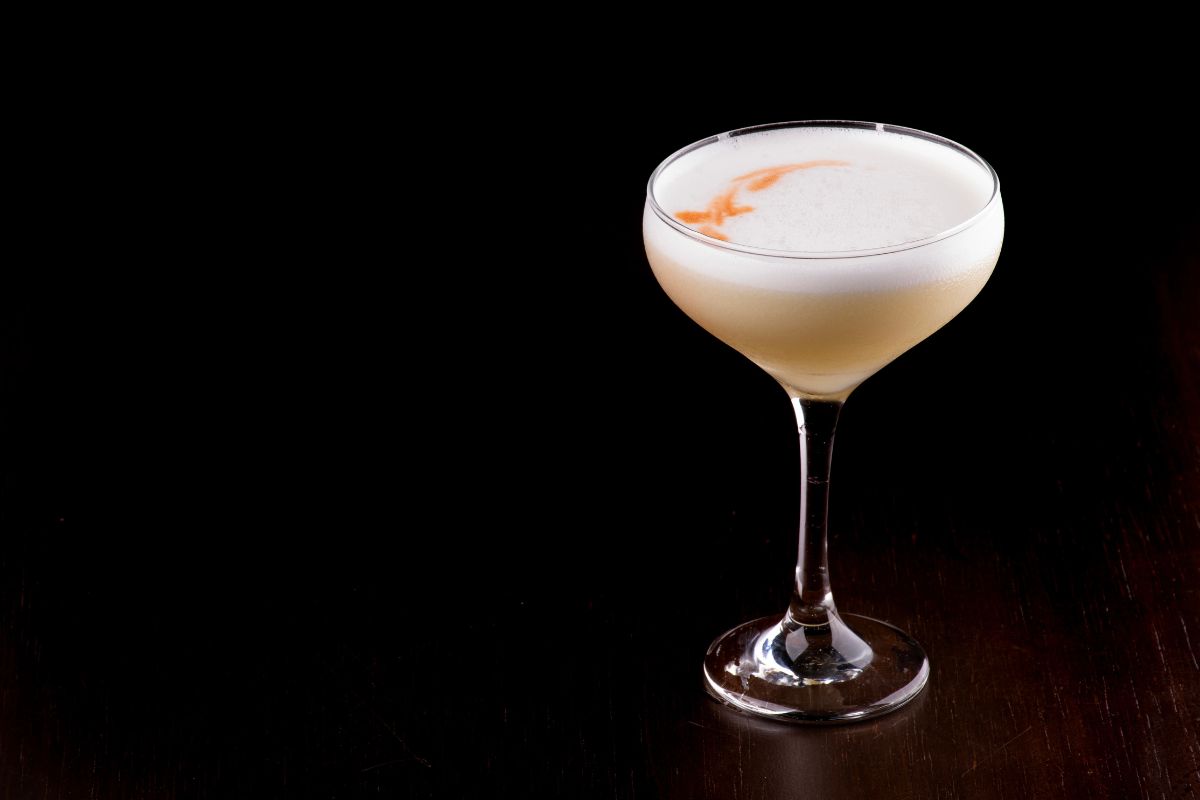
Egg white gives cocktails such as the Whiskey Sour their wonderful silky texture and foamy head. If you’re comfortable using fresh egg white, great; aquafaba, the liquid from cooked chickpeas, is a popular alternative and can create a similar foam.
Neither needs to become a permanent fixture on your cocktail shopping list. This is another case of buying according to what you’re planning to make.
My Essential Home Bar Mixers and Ingredients List
You really don’t need everything on this page immediately. If I were stocking a new home bar, I’d do it in stages.
Start Here
- Tonic water
- Soda water
- Ginger beer
- Fresh lemons
- Fresh limes
- Oranges
- Sugar
- Angostura bitters
- Olives or cocktail cherries, depending on what you drink
Add Next
- Grapefruit juice
- Pineapple juice
- Orange bitters
- Grenadine
- Agave syrup
- Fresh mint
Add When the Cocktail Demands It
- Orgeat
- Honey syrup
- Demerara syrup
- Coconut cream
- Specialist bitters
- Flavored syrups
- Whatever mysterious ingredient you’ve just discovered in a cocktail recipe and now absolutely have to own
That’s how I’d build the collection: not by buying everything at once, but by adding ingredients as you discover what they can do.
Keep It Fresh
The biggest difference between stocking spirits and stocking mixers is that most of the ingredients on this page won’t happily sit around forever. Use fresh citrus, keep opened juices refrigerated, don’t keep tonic once it’s gone flat and label homemade syrups with the date you made them.
Your expensive gin cannot save a G&T made with flat tonic, and your best rum can’t rescue a Daiquiri made with tired lime juice. Buy less, buy fresh and replenish things when you need them.
Build the Rest of Your Home Bar
Once your mixers and ingredients are sorted, you’re very nearly ready for cocktail hour. If you’re starting from the beginning, head to my How to Set Up a Home Bar and work your way through the rest of my Home Bar Essentials guides.
Next, find out how to stock your home bar, discover the essential home bar tools, choose the right cocktail shaker and finish everything off with my guide to glassware for your home bar.
You don’t need hundreds of ingredients to make great cocktails at home. Start with good spirits, fresh citrus, decent mixers, a little sugar and plenty of ice. Every time you discover a cocktail you love, you have an excellent excuse to add something new to the cupboard.