
Two ingredients. One naval tradition. A Pink Martini takes less time to make than it does to explain why it’s pink in the first place, and that reason (a splash of Angostura bitters, not fruit juice or food colouring) is the whole story worth telling.
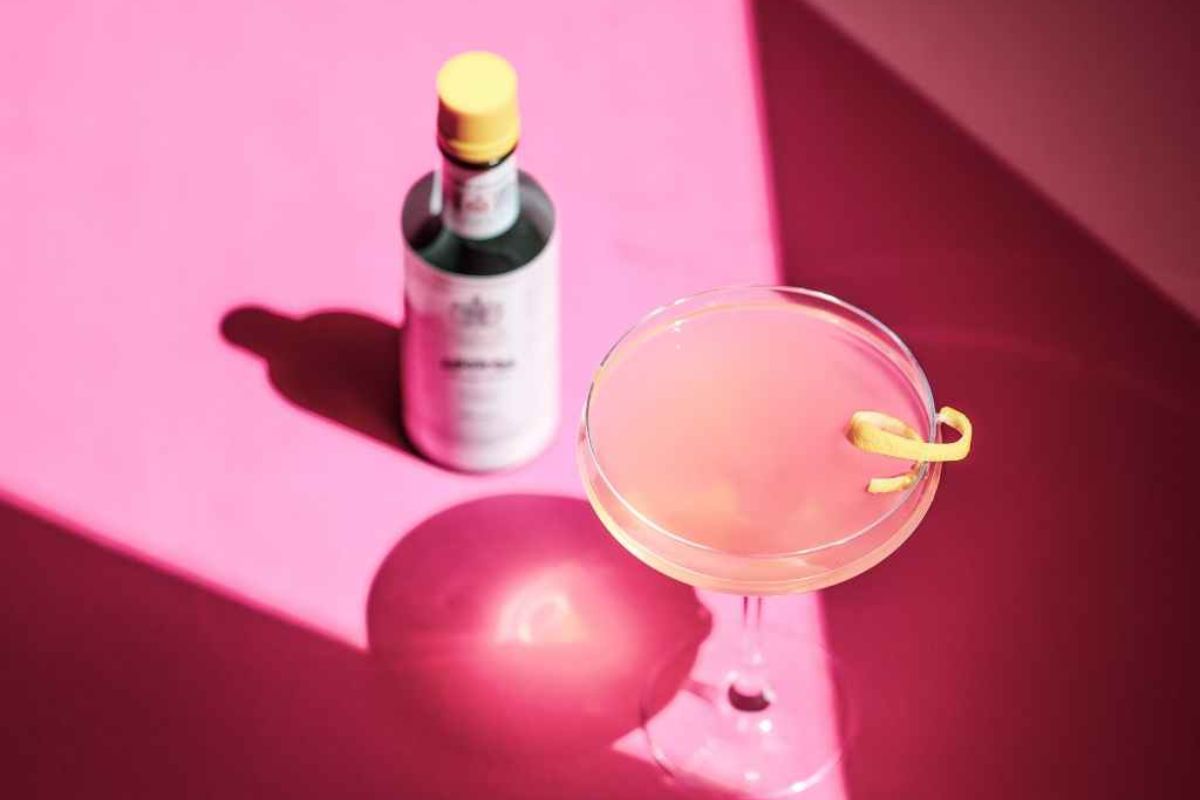
Pink gin is having its moment again, but the Pink Martini itself isn’t a trend cocktail. It’s a 19th century classic built on gin and bitters, nothing else, and it’s exactly the kind of drink that separates a well-stocked home bar from one that’s just collecting bottles.
The Naval History Behind the Pink Martini
This one was born on the high seas, not in a cocktail lounge. British Royal Navy sailors in the 1800s received a daily gin ration, and ship’s surgeons dosed that gin with Angostura bitters, originally formulated as a digestive tonic, to settle seasickness and tropical stomach troubles.
The bitters tinted the clear gin a soft rose colour, sailors kept drinking it well after the “medicine” excuse wore off, and the Pink Martini was born. By the early 20th century it had moved from ship’s deck to gentleman’s club, and Angostura bitters, still made from the same closely guarded 1824 recipe, remain the ingredient that makes this drink what it is.
If naval-grade classics are your thing, it’s the same kind of story our guides share on London Cocktail Tours between stops: drinks with real history behind them, not just a nice colour.
What You Need for a Classic Pink Martini
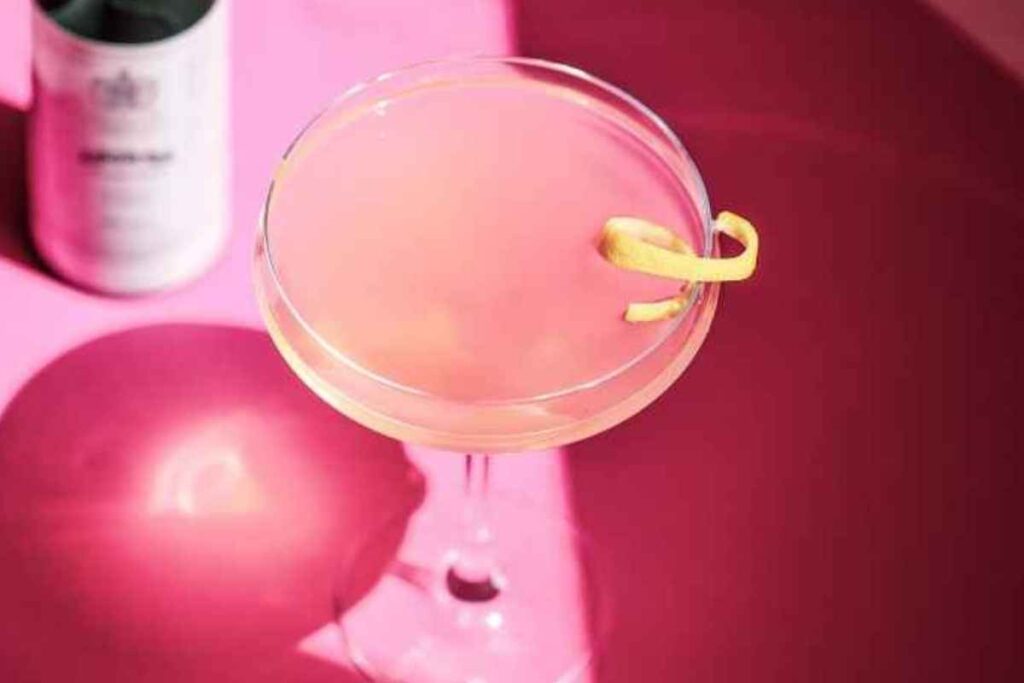
The full ingredient list is gin, Angostura bitters, and ice. That’s genuinely it, no vermouth, no juice, no simple syrup.
Ice: For stirring only. The finished drink is strained, so cracked or standard cubes both work.
Gin: A London Dry gin is the traditional choice because its juniper-forward, citrus-bright profile stands up to the bitters without getting muddled. Save a heavily botanical or floral gin for a different cocktail; here you want something clean and assertive.
Angostura aromatic bitters: Two dashes is standard. This is a fixed-recipe product, so there’s no real substitute if you want the classic flavour and colour.
Tools for Making a Pink Martini
You won’t need a shaker for this one, it’s stirred, not shaken. Grab a jigger, a mixing glass, a barspoon, a strainer, and a chilled martini or coupe glass. I adore Martini glasses so that’s my choice.
How to Make a Pink Martini
Add gin and bitters to a mixing glass with ice, stir until well-chilled (about 20 to 30 seconds), and strain into your chilled glass. For the truly derring-do, the original version was served warm, no ice at all. Full measurements are in the recipe card below.
Tips for the Perfect Pink Martini
- Chill the glass first. A room-temperature glass takes the edge off a spirit-forward drink fast. Pop it in the freezer for five minutes before you pour.
- Adjust the bitters, not the gin. If two dashes tastes too intensely herbal for your palate, drop to one and a half rather than adding more gin. That keeps the classic strength intact.
- Garnish beyond the lemon twist. A twist is traditional, but a single olive, a curl of orange peel, or a couple of fresh cranberries for extra pink all work if you want something different.
Common Mistakes to Avoid
- Shaking instead of stirring. Shaking a spirit-only drink bruises it and dilutes it too fast, clouding what should be a clear, silky pour.
- Skipping the chill. Warm gin in a warm glass is a warm drink, not a martini.
- Over-pouring the bitters. More than a few dashes and the drink turns bitter and medicinal rather than balanced. Two dashes is the sweet spot.
Variations on the Classic Pink Martini
The two-ingredient formula is easy to riff on once you’ve made the original a few times.
Go lower-proof. Swap in a non-alcoholic or low-ABV gin alternative and keep the bitters. You’ll lose some of the botanical backbone but keep the colour and the ritual.
Swap the bitters. Orange or grapefruit bitters shift the drink toward a citrus profile instead of the classic warm-spice Angostura note.
Try a pink gin liqueur. Several distillers now bottle pink gins already infused with botanicals like strawberry or hibiscus, which you can use in place of the gin-and-bitters combination for a sweeter, fruitier pour.
Frequently Asked Questions
Is a Pink Martini the same as a Pink Lady?
No. A Pink Lady is a gin, applejack, grenadine, and egg white cocktail. A pink gin martini gets its colour and flavour from Angostura bitters alone.
Can I batch it for a party?
Yes. Multiply the gin and bitters by your guest count, stir with ice in a large pitcher just before serving, and strain into individual glasses. Don’t batch it hours ahead, premixed gin loses its chill fast.
What food pairs well with it?
Its dry, herbal profile suits salty and briny snacks, olives, oysters, or a sharp aged cheese, more than anything sweet.
Where to Find More Pink Cocktail Recipes
You can find loads of other pink drinks to try. Here are a few favourites:
- A classic made pink by cranberry juice: The Cosmopolitan
- Made with pink peppercorns: Pink Peppercorn Rose
- Another Angostura pink recipe: Angostura Pinkers
- A little fizzy: Pink Gin Spritz
- Another classic: Pink Gin & Tonic
Here is the recipe:
Pink Martini
Equipment
Ingredients
- 2 oz gin
- 2 dashes Angostura®aromatic bitters
Instructions
- In a mixing glass, stir ingredients with ice to chill.
- Strain into a martini glass.
- For the truly derring-do, originally this drink would have been served warm without ice.
Nutrition
PIN THS RECIPE FOR LATER
