

Not every classic cocktail needs a full pour of spirit to earn its place in the pre-Prohibition canon. The Chrysanthemum leans almost entirely on dry vermouth, dressed up with Bénédictine and a whisper of absinthe, and it has been quietly overlooked since it first appeared in 1916.
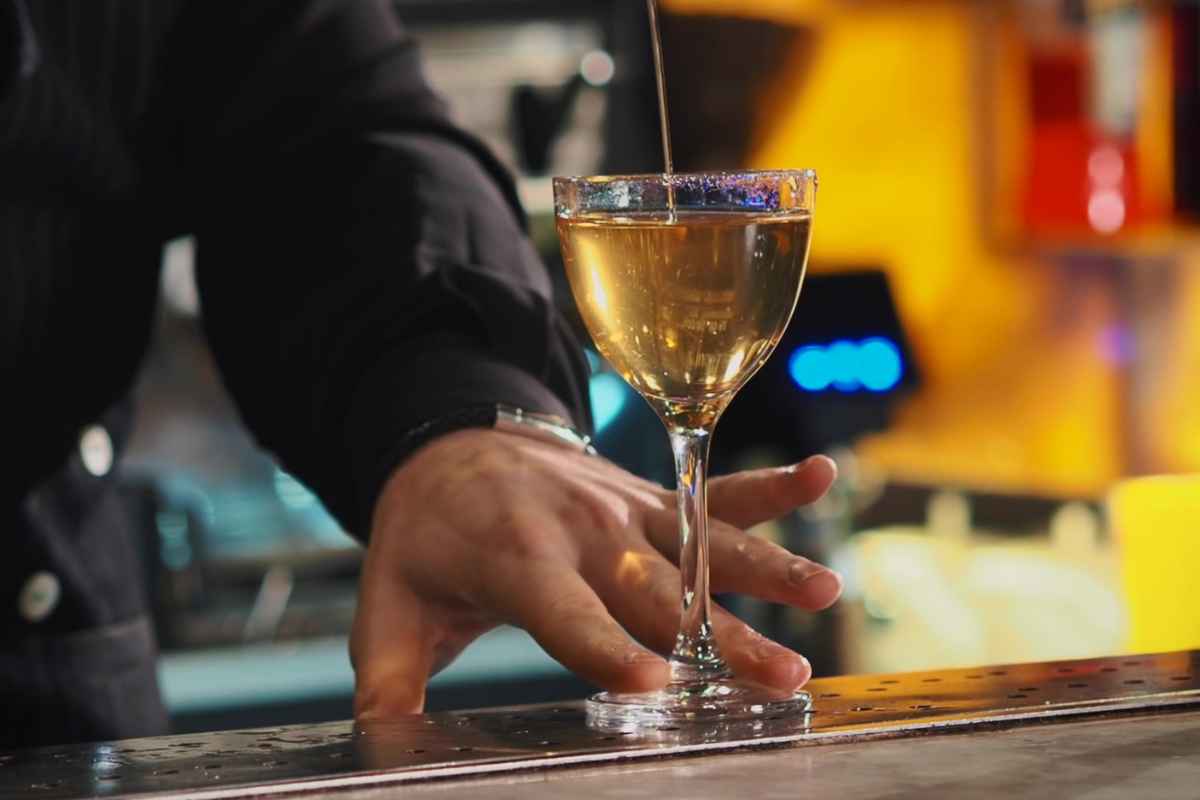
The Chrysanthemum first turns up in Hugo Ensslin’s 1916 Recipes for Mixed Drinks, one of the last serious American cocktail books published before Prohibition shut the whole conversation down. It survived the dry years in Harry Craddock’s 1930 Savoy Cocktail Book, which is largely why we still know about it at all.
Unlike most of its stirred, spirit-forward contemporaries, the Chrysanthemum barely contains any spirit. It’s built almost entirely on dry vermouth, which makes it one of the lowest-proof drinks to survive from the golden age of cocktails, and one of the most unfairly overlooked.
A note on the vermouth
This drink lives or dies on the quality of the vermouth, since there’s so little else to hide behind. A cheap, tired bottle makes for a flat, one-note drink. A good, fresh dry vermouth, the kind you’d be happy to sip on its own, turns the Chrysanthemum into something genuinely aromatic, with the Bénédictine’s honey and spice rounding out the vermouth’s herbal edge and the absinthe adding just enough anise to keep things interesting.
Why Lush Life Loves It
The Chrysanthemum makes a case that low-proof doesn’t have to mean low-interest, which is a lesson worth relearning every so often. It’s a genuinely aromatic, complex drink that happens to leave you clear-headed, which made it useful in 1916 and makes it just as useful now, whether you’re pacing yourself through a long dinner or simply don’t want a full-strength cocktail every time. It also rewards good ingredients in a way that flatters careful drinkers rather than showy ones.
Variations Worth Trying
- Sweet vermouth swap. Using sweet vermouth instead of dry pushes the drink toward something closer to a Bamboo, richer and less bracing. A different mood entirely.
- Orange bitters version. A dash of orange bitters alongside the absinthe adds a little more structure for those who find the original too soft.
- Chrysanthemum Fizz. Shake the same ingredients with a touch of lemon juice and top with soda for a lighter, more sessionable version.
- Smoked orange garnish. Charring the orange peel briefly before expressing it over the drink adds a smoky note that plays well against the vermouth’s herbal character.
FAQ
Is the Chrysanthemum a strong cocktail?
No, it’s one of the lowest-ABV classics still made today. With almost no full-strength spirit in the mix, it drinks closer to a fortified aperitif than a traditional cocktail.
What does Bénédictine bring to it?
Honey, spice, and a touch of herbal complexity that keeps the vermouth from tasting one-dimensional. It shows up across a lot of pre-Prohibition drinks, including the Widow’s Kiss.
Can I leave out the absinthe?
You can, but it loses some of its lift. Even a few dashes add an anise note that ties the vermouth and Bénédictine together, so it’s worth keeping if you have a bottle around.
Is this similar to a Negroni or Americano?
Only in spirit, not in build. It shares the low-proof, aperitif mindset of an Americano, but without any bitter liqueur, so the flavor profile is softer and more herbal rather than bitter and bracing.
More Classics to Try
If the low-proof, aromatic style appeals, the Americano is the natural next stop. For more from the same overlooked corner of pre-Prohibition cocktail books, try the Widow’s Kiss, and if you want to see what Bénédictine can do in a spirit-forward drink instead, the Vieux Carré is the place to go.
Here is the recipe
Chrysanthemum
Equipment
Ingredients
- 2¼ ounce dry vermouth
- 1 ounce Bénédictine
- 3 dashes absinthe
- Garnish: orange twist
Instructions
- Add the dry vermouth, Benedictine and absinthe to a mixing glass and fill with ice.
- Stir briskly for 30 seconds
- Strain into a chilled cocktail glass.
- Garnish with a twist