Some cocktail origin stories are almost too good to be true. The Seelbach’s actually is too good to be true, dreamed up by a Louisville bartender in 1995 who claimed he’d rediscovered a lost 1917 house recipe, and got away with it for over twenty years. Bourbon, orange liqueur, bitters, and champagne, with a story better than most true ones.
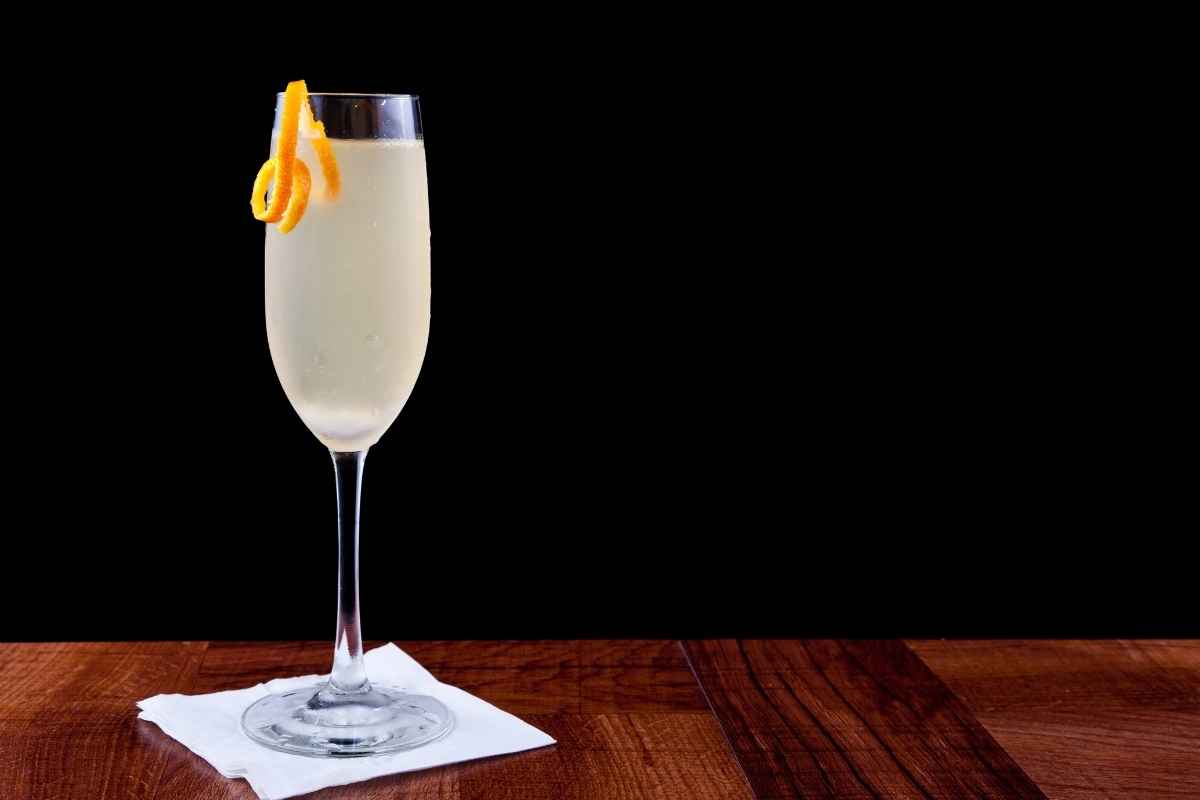
In 1995, a young bartender named Adam Seger took over the drinks program at the Seelbach Hilton in Louisville and needed a signature cocktail. Rather than simply inventing one, he told the local paper he’d found the recipe buried in an old hotel menu, a forgotten pre-Prohibition classic from 1917, supposedly born when a bartender used an overflowing bottle of champagne to top off a Manhattan. The story ran, got picked up by cocktail writers for two decades, and became gospel. Seger confessed the truth to writer Robert Simonson in 2016. By then the drink had already earned its place in the canon, myth and all.
A note on the bitters
Seven dashes of each bitters looks excessive on paper, but the champagne needs that much structure to keep the drink from tasting thin. Angostura brings the baking spice, Peychaud’s adds the floral, anise-tinged edge that made it a New Orleans staple, and together they turn what could be a fizzy afterthought into something with real backbone.
Why Lush Life Loves It
The Seelbach earns its place on any list of modern classics, and it does it without an ounce of real history behind it, which makes it more interesting rather than less. It’s proof that a good enough story can outlast the truth, at least until someone finally admits to it. The drink itself holds up too: bourbon’s warmth against champagne’s lift, with the bitters doing the quiet work of tying it all together.
Variations Worth Trying
- Rye Seelbach. Swapping in rye whiskey sharpens the spice and cuts some of the sweetness, a good option if bourbon feels too soft here.
- Grand Marnier swap. Using Grand Marnier instead of Cointreau adds a touch more depth and orange caramel, at the cost of some brightness.
- Seelbach Sour. Shake the bourbon, Cointreau, and bitters with lemon juice instead of stirring, then top with a splash of champagne for a lighter, more citrus-forward take.
- Dry sparkling swap. A bone-dry cava or crémant in place of traditional champagne keeps the drink from tipping too sweet.
FAQ
Is the Seelbach’s history really fake?
Yes, confirmed by the bartender who invented both the drink and the story behind it. The hotel itself is real and does date to 1905, but the “rediscovered 1917 recipe” was a 1995 invention.
What does a Seelbach taste like?
Warm and spiced up front from the bourbon and bitters, with the champagne adding lift and dryness at the finish. Closer to a sparkling Old Fashioned than a sweet cocktail.
Can I make it without champagne?
You can use any dry sparkling wine. Prosecco will push it sweeter, so a cava or crémant keeps the balance closer to the original.
Is this similar to a French 75?
Only in that both combine a base spirit with champagne. The French 75 is gin or cognac with lemon and sugar, bright and citrus-led, while the Seelbach is spirit-forward and bitters-heavy, closer in spirit to a dressed-up Old Fashioned.
More Classics to Try
For more bourbon and champagne pairings, the French 75 shows the citrus-forward side of the equation. If the Prohibition-era mythmaking interests you, the Twelve Mile Limit carries its own piece of Prohibition history, this one at least true. And for another bourbon classic built on a simple, well-chosen modifier, try the Old Fashioned.
Here is the recipe
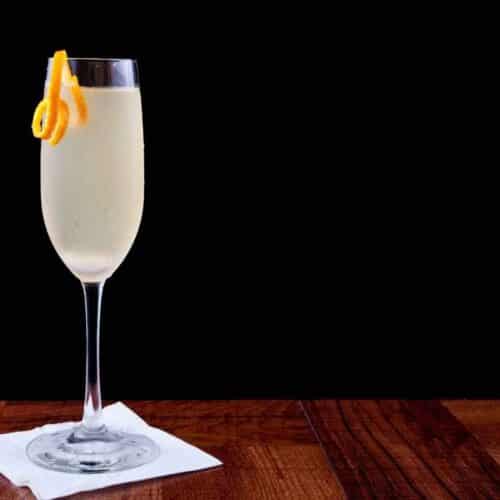
Seelbach
Equipment
Ingredients
- 1 ounce bourbon
- ½ ounce Cointreau
- 7 dashes Angostura bitters
- 7 dashes Peychaud's Bitters
- Champagne or sparkling wine, to top
- Orange peel, for garnish
Instructions
- Add the bourbon, Cointreau, and both bitters to a mixing glass with ice
- Stir until chilled
- Strain into a chilled champagne flute.
- Top slowly with champagne.
- Garnish with an orange peel