
Named after one of the strangest medical fads of the 1920s, the Monkey Gland pairs gin and orange juice with a splash of absinthe and grenadine, and somehow makes the combination work beautifully. It’s one of the odder cocktail origin stories out there, and one of the tastier reasons to keep a bottle of absinthe on hand. Here’s how to make it properly, and why the name is stranger than the drink.
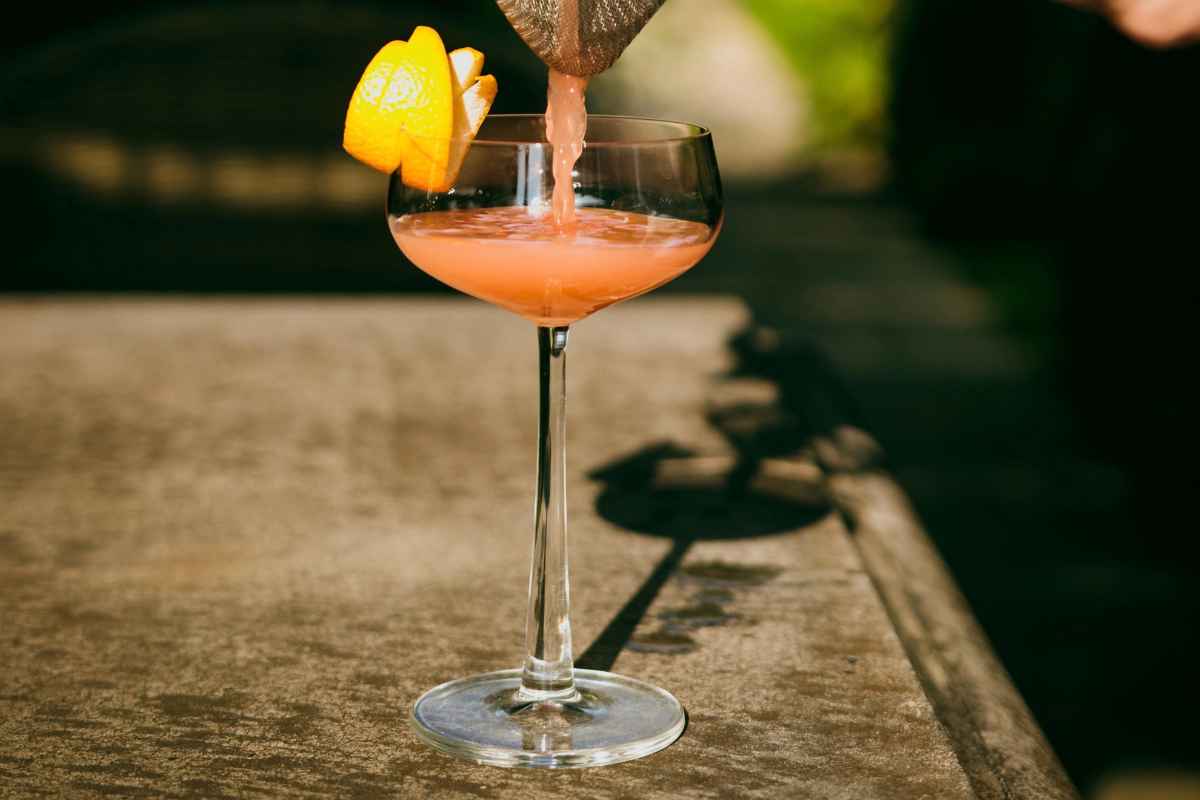
The Monkey Gland was invented in the 1920s by Harry MacElhone, the Scottish bartender behind Harry’s New York Bar in Paris, the same room credited with the Bloody Mary and the Sidecar. The name comes from the work of Serge Voronoff, a Russian-born surgeon who spent the decade convinced that grafting monkey testicular tissue into aging men would restore youth and vitality.
Voronoff’s procedure was, unsurprisingly, nonsense, and largely forgotten by the 1930s. MacElhone’s cocktail outlived the science by about a century.
A note on the absinthe
This is a drink where restraint matters more than people expect. Too much absinthe and the anise takes over the whole glass. A couple of dashes is enough to add lift and a faint herbal edge underneath the orange and gin, without turning the drink into something else entirely. If you’re using a rinse instead of dashing it straight into the shaker, swirl a small amount around the chilled glass and discard the excess before straining the drink in.
Why Lush Life Loves It
Gin and orange juice sounds like something you’d throw together without much thought, but the grenadine and absinthe turn it into a properly layered drink, bright and a little dangerous at the same time. It’s also just a wonderful piece of bar trivia. Order one and you’ve got a story that goes with it, whether or not anyone asks.
Variations Worth Trying
- Pernod version. Swapping the absinthe for Pernod softens the anise note and makes the drink a touch easier to find ingredients for.
- Bénédictine swap. Some modern recipes use Bénédictine instead of absinthe, trading the herbal bite for honeyed spice. A gentler, sweeter take.
- Blood orange Monkey Gland. Using fresh blood orange juice in place of regular orange juice deepens the color and adds a slightly tart, floral note.
- Monkey Gland Fizz. Top the shaken drink with a splash of soda for a lighter, longer version that suits an afternoon better than a nightcap.
FAQ
What does a Monkey Gland taste like?
Bright and citrus-forward up front, with the grenadine adding sweetness and the absinthe bringing a faint anise edge underneath. It’s more balanced than the ingredient list suggests.
Why is it called a Monkey Gland?
It’s named after Serge Voronoff’s monkey-gland transplant experiments, a real but thoroughly debunked 1920s medical fad that MacElhone referenced when naming the drink at his Paris bar.
Can I make it without absinthe?
You can substitute Pernod or another anise liqueur, or leave it out entirely, though you’ll lose some of the drink’s distinctive lift. It’ll still be a good orange and gin cocktail either way.
Is this the same bar that invented the Bloody Mary?
Yes. Harry’s New York Bar in Paris, and specifically Harry MacElhone, is also credited with the Sidecar and an early version of the Bloody Mary, making it one of the most influential rooms in cocktail history.
More Classics to Try
For more from Harry’s New York Bar, the Sidecar is the other great drink to come out of that room. If the absinthe angle interests you, the Chrysanthemum uses it in a lower-proof, vermouth-forward direction. And for another gin classic with real history behind it, try the Aviation.
Here is the recipe
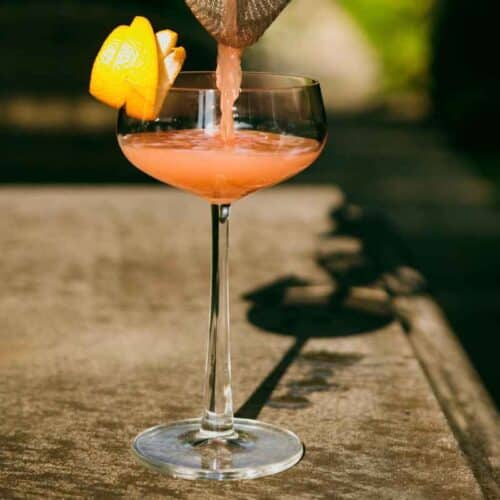
Monkey Gland
Ingredients
- 1 dash absinthe
- 2 ounces gin
- 1 ounce freshly squeezed orange juice
- 1 to 1½ teaspoons grenadine, to taste
- Garnish: Orange slice, or flamed orange peel