A SHORT HISTORY OF LATIN AMERICAN SPIRITS
The history of distilling in Latin America is entwined with the arrival of Europeans, although fermented drinks had been made throughout the Americas long before colonization.
Sugar cane, brought to the Americas by Europeans, transformed huge areas of the continent and Caribbean. In Brazil, Portuguese settlers established sugar plantations during the 16th century, and it was there that the spirit we now know as cachaça emerged.
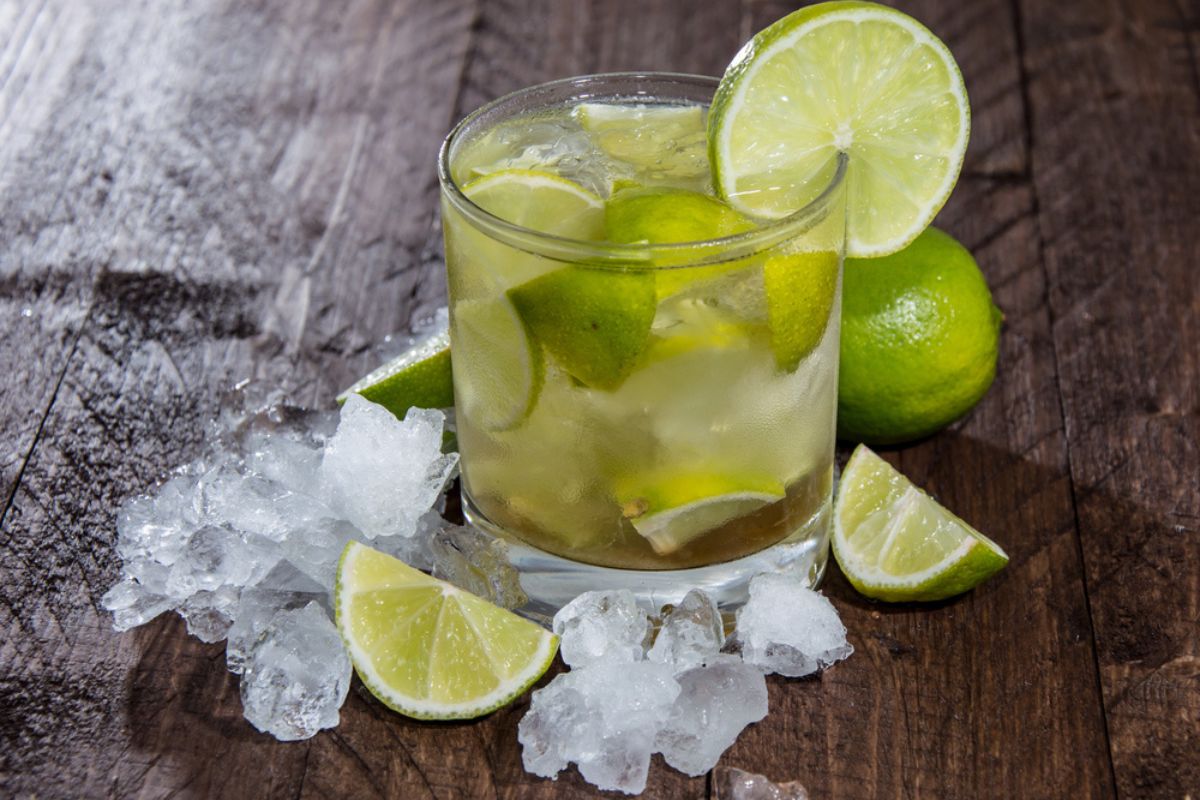
Unlike most rum, which is commonly made from molasses, cachaça is distilled from fermented fresh sugar cane juice. It became Brazil’s national spirit and eventually the essential ingredient in its national cocktail, the Caipirinha.
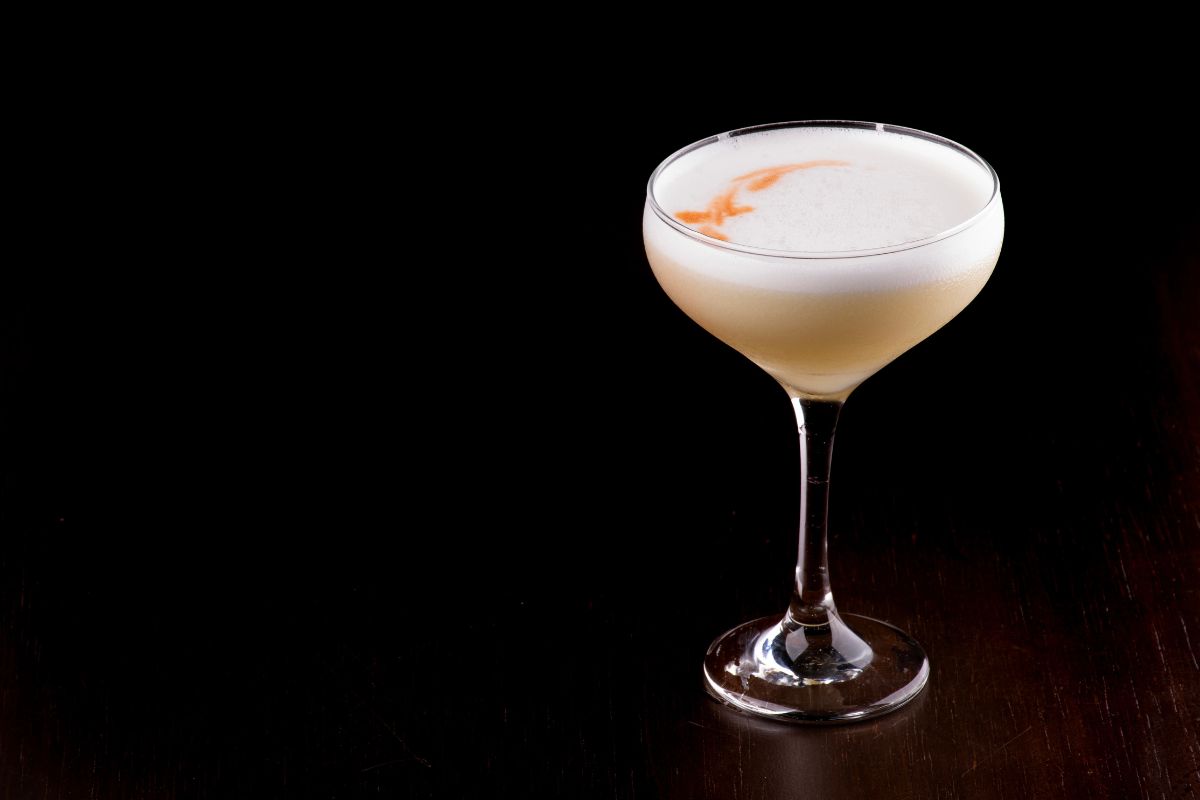
On the other side of the continent, Spanish settlers brought grapevines to South America. Wine production flourished, particularly in Peru and Chile, and distillers soon began turning that wine into pisco.
Both Peru and Chile claim pisco as part of their national heritage, and each country has its own legally defined traditions and methods of production. The debate over its origins can become lively, but what matters in the glass is that Peruvian and Chilean piscos can be markedly different spirits.
Further north, Mexico has a world of spirits beyond tequila and mezcal.
Sotol has been made for generations across the deserts of northern Mexico, particularly Chihuahua, Durango and Coahuila. Despite frequently appearing alongside agave spirits, sotol isn’t made from agave at all. Its raw material is Dasylirion, commonly known as desert spoon, a spiky native plant that thrives in the arid landscape.
Then there is aguardiente.
The name comes from agua ardiente — literally “burning water” — and rather wonderfully tells you almost nothing about what will arrive in your glass. Across Latin America, the word has been applied to numerous strong distilled spirits.
In Colombia, aguardiente generally means a sugar cane-based spirit flavored with anise and is deeply embedded in the country’s drinking culture. Elsewhere, aguardientes can be made from sugar cane, fruit, grains or other ingredients, depending on local traditions.
These aren’t simply alternatives to the better-known spirits on the back bar. Each tells a story about what grows in a particular place and what generations of people decided to do with it.
Let’s not forget there are so many more than I have cited here!