
Europe is home to some of the world’s most beautiful luxury retreats, where spectacular landscapes, distinctive architecture, and local traditions shape each stay. Sweeping mountain views, tranquil lakes, and historic surroundings create an inviting atmosphere for travelers seeking comfort and a connection to the local culture. Fine wines, regional spirits, and expertly crafted cocktails add to the experience, reflecting the culture and character of each destination.
The appeal extends beyond the accommodations, with plenty to discover in the surrounding region. Visitors can explore nearby vineyards, tour historic distilleries, or enjoy an evening drink while admiring the scenery. These five European retreats showcase destinations where beautiful settings, exceptional hospitality, and local drinking traditions come together to create a distinctive luxury escape.
Strolling 30 Kilometres of Terraced Vineyards Along Lake Geneva in Lavaux, Switzerland
The terraced vineyards of Lavaux stretch for approximately 30 kilometers along the northern shores of Lake Geneva, creating one of Switzerland’s most distinctive wine landscapes. Recognized as a UNESCO World Heritage Site, these steep, sun-facing slopes are supported by centuries-old stone walls and dotted with traditional wine villages. Although grapes were cultivated here as early as Roman times, the terraces seen today largely date back to the 11th century. The region is particularly known for Chasselas, a white grape that produces delicate, refreshing wines with subtle mineral and floral notes.
Walking through the villages of Epesses, Grandvaux, and Saint-Saphorin reveals panoramic views of Lake Geneva and the Alps beyond. Marked vineyard paths connect historic settlements, while family-run wineries welcome visitors for tastings of locally produced Chasselas, often accompanied by regional cheeses. Some estates arrange private cellar visits, allowing guests to learn about traditional winemaking methods and the influence of the area’s limestone-rich soils.
Lavaux is easily reached by train from Lausanne or Montreux, making it a convenient addition to a longer Swiss itinerary. Spring through early autumn is particularly pleasant for vineyard walks, with September bringing the excitement of the grape harvest. Visitors considering 7-day luxury Switzerland tour packages can include Lavaux as part of a journey through the country’s lakeside towns and Alpine landscapes. Private winery tastings should be arranged in advance, particularly during the summer and harvest season.
Toasting with a Bellini at Harry’s Bar in Venice, Italy
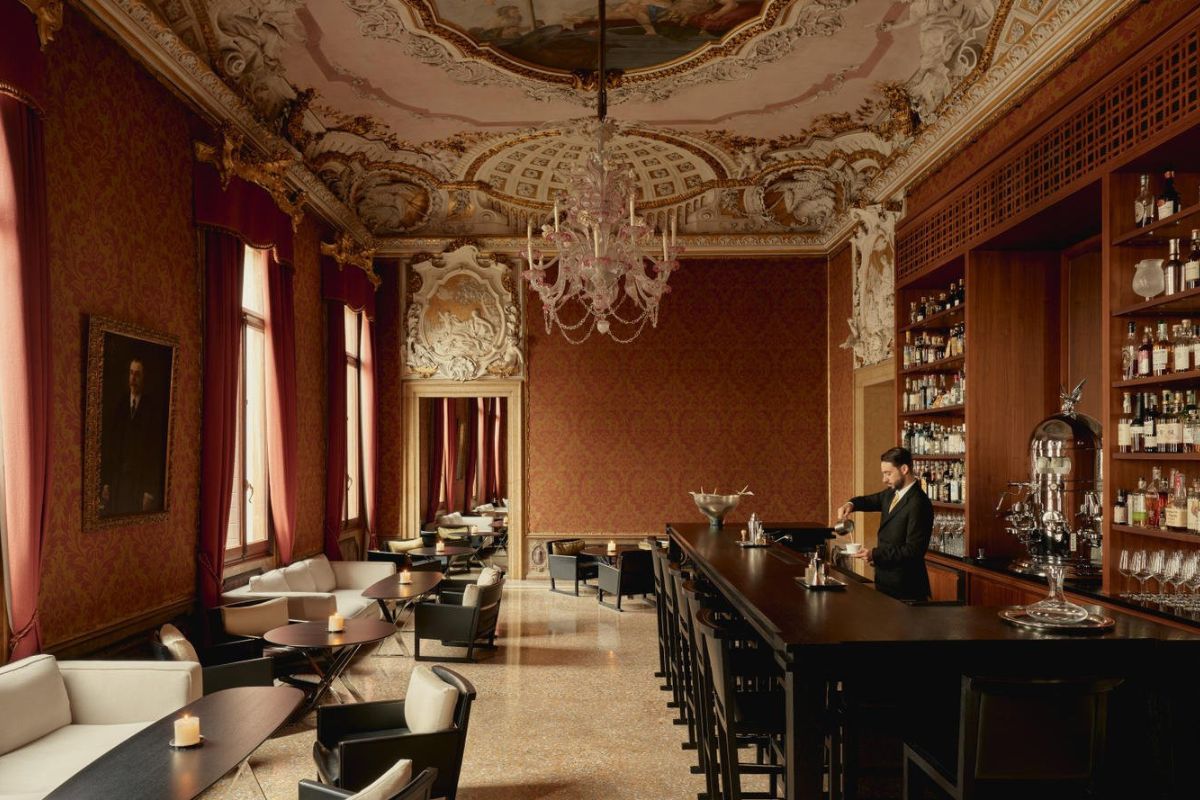
Venice’s winding canals, historic palaces, and waterfront architecture make it one of Europe’s most captivating destinations for a luxury escape. Exploring the quieter waterways by private water taxi reveals elegant marble facades, secluded courtyards, and centuries-old buildings that are best appreciated from the water. Near St. Mark’s Square, Harry’s Bar has been part of the city’s social scene since 1931, welcoming writers, artists, and international visitors through its doors. Its reputation for understated hospitality and classic Venetian dining has made it one of the city’s most recognizable establishments.
Harry’s Bar is particularly famous as the birthplace of the Bellini, the cocktail created by founder Giuseppe Cipriani and traditionally dated to 1948. Made with white peach puree and Prosecco, the drink is known for its delicate fruit flavor, gentle sweetness, and refreshing finish. Named after Renaissance painter Giovanni Bellini, it became a signature of the establishment and remains closely associated with Venice’s aperitivo culture. Inside, polished wood paneling, intimate seating, and attentive service preserve much of the atmosphere that attracted celebrated guests, including Ernest Hemingway and Peggy Guggenheim.
Harry’s Bar is located near the Grand Canal, a short walk from St. Mark’s Square. The bar is generally open daily, although reservations are advisable for dining. Spring and early autumn are particularly pleasant times to visit Venice, with comfortable temperatures for exploring the canals and surrounding neighborhoods. Enjoying a Bellini at its original home provides a direct connection to the city’s cocktail heritage and longstanding hospitality traditions.
Ordering Sherry Straight from the Cask in Jerez, Spain
Jerez de la Frontera lies in the heart of Andalusia’s Sherry-producing region, surrounded by vineyards planted in the area’s distinctive white albariza soils. The city’s historic streets are home to impressive bodegas, often called wine cathedrals because of their soaring ceilings and spacious interiors. Inside, rows of oak casks hold wines aging under the traditional solera and criadera system, which has helped establish Jerez as one of Spain’s most celebrated wine destinations.
Guided bodega visits introduce guests to the different styles of Sherry, including delicate Fino, nutty Amontillado, and richly sweet Pedro Ximénez. During selected tours and tastings, visitors may watch skilled venenciadores draw wine directly from the cask using a long, narrow instrument called a venencia. The technique is a distinctive part of Jerez’s wine culture, allowing guests to appreciate the aromas and flavors of Sherry in the surroundings where it matures. Some bodegas also arrange private tastings and food pairings featuring local cheeses, cured meats, and traditional Andalusian tapas.
Jerez’s historic bodegas make an interesting cultural stop during a longer Andalusian holiday, particularly for visitors booking a luxury golf villa in Spain who want to discover more than the region’s golf courses. Spring and autumn are particularly pleasant for visiting Jerez, although cellar tours operate throughout much of the year. Private tastings should be reserved in advance, especially during busy travel periods.
Touring Riverside Cellars Along the Charente in Cognac, France
The Charente River winds through southwestern France, passing historic towns, vineyards, and elegant stone buildings in the heart of the Cognac region. Along its banks, centuries-old Cognac houses preserve the traditions behind one of France’s most celebrated spirits. Produced primarily from Ugni Blanc grapes, Cognac begins as white wine that undergoes double distillation in copper pot stills before maturing in oak barrels.
Private tours at selected Cognac houses take visitors through aging cellars lined with oak casks, some containing spirits that have matured for decades. Exclusive tastings may feature older XO expressions and rare blends, with notes of dried fruit, spice, toasted oak, and rancio, the complex aromas that can develop during extended aging. Some houses also welcome guests into their paradis cellars, where particularly old and valuable eaux-de-vie are preserved.
Cognac can be reached by train from Bordeaux, usually with a connection at Angoulême or Saintes, while scenic boat excursions along the Charente offer another perspective on the surrounding countryside. Spring through early autumn is particularly pleasant for exploring the vineyards and historic towns, although many Cognac houses welcome visitors throughout the year. Autumn and winter are especially interesting for those curious about production, as distillation generally takes place after the grape harvest.
Finding Basket-Trained Vines Rooted in Volcanic Soil on Santorini, Greece
Santorini’s dramatic caldera cliffs, whitewashed villages, and deep blue Aegean waters make it one of Greece’s most recognizable luxury destinations. The island’s vineyards reveal another side of Santorini, with a winemaking tradition shaped by volcanic soil, strong winds, and a dry Mediterranean climate. Local growers train their vines into low, circular baskets known as koulouras, protecting the grapes from intense sunlight and harsh coastal winds. The island is particularly renowned for Assyrtiko, a white grape that produces crisp, structured wines with bright citrus notes and distinctive saline characteristics.
Private wine tastings introduce visitors to Santorini’s indigenous grape varieties and traditional production methods. Estates around Pyrgos, Megalochori, and other wine-growing villages offer guided vineyard visits, cellar tours, and tastings overlooking the surrounding landscape. Alongside dry Assyrtiko, guests can sample Vinsanto, a rich dessert wine made from sun-dried grapes, with flavors of dried fruit, honey, and caramel. Luxury cliffside hotels and private villas provide elegant accommodations, where terraces and infinity pools overlook the caldera. A glass of chilled local wine is especially appealing as the evening light settles across the sea.
Santorini’s wineries are best explored during spring and early autumn, when temperatures are generally more comfortable and the island is less crowded than during midsummer. Late summer also brings the grape harvest, which often begins earlier than in many other European wine regions. Staying near the caldera provides easy access to the island’s celebrated views, while the inland villages offer a closer look at its agricultural traditions and winemaking heritage.
Which retreat suits your glass?
A Bellini enjoyed at its birthplace in Venice or a glass of Chasselas overlooking Lake Geneva’s terraced vineyards takes on a special appeal when experienced in its original setting. Across these five European destinations, remarkable landscapes, historic architecture, and local drinking traditions add character to each luxury retreat. The surroundings become an essential part of the experience, giving visitors a deeper appreciation of the region’s culture and heritage.
Choosing where to stay is also about the experiences waiting outside the hotel. Exploring historic cellars, visiting local vineyards, and discovering the traditions behind celebrated wines and spirits bring each destination into sharper focus. The result is a European escape remembered as much for its scenery and atmosphere as for the drinks enjoyed along the way.