A SHORT HISTORY OF WINE IN COCKTAILS
Long before there was a cocktail shaker, people were mixing things into wine.
The ancient Greeks and Romans diluted wine with water and flavored it with herbs, spices and honey. Across Europe, wine continued to be heated, spiced, sweetened and mixed for centuries.
Then came punch.
By the 17th and 18th centuries, punches combining alcohol, citrus, sugar, water and spices had become enormously popular, and wine — particularly sparkling and fortified wine — frequently found its way into the bowl.
By the 19th century, wine was firmly behind the bar.
One of the great drinks of the era was the Sherry Cobbler, a mixture of sherry, sugar, fruit and crushed ice that became an international sensation. Its popularity even helped introduce drinkers to that great technological wonder of the age: the drinking straw.
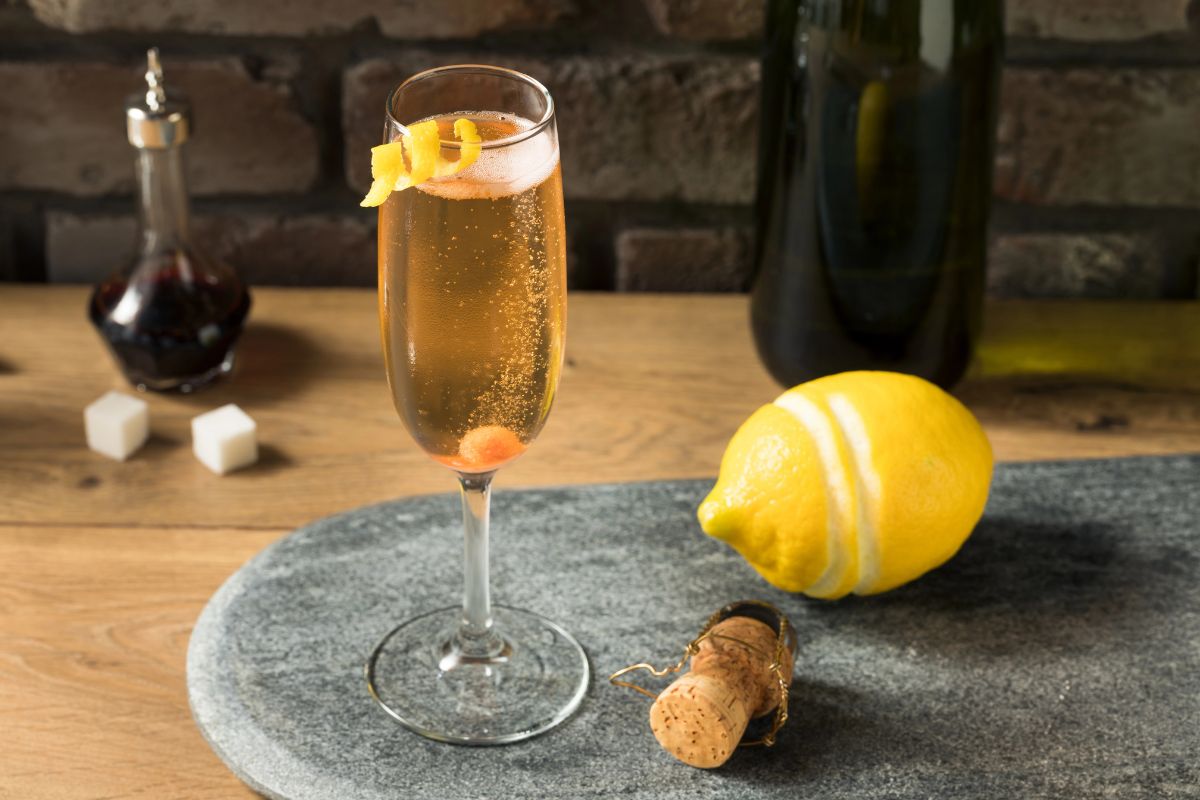
Sparkling wine was another natural cocktail ingredient. The Champagne Cocktail, simply Champagne with sugar and bitters, appeared in the 19th century and remains one of the most elegant ways of tampering with a glass of fizz.
Perhaps no wine, though, has had a greater influence on cocktail history than vermouth.
Originally developed as an aromatized wine flavored with botanicals, vermouth became an essential ingredient in American cocktail culture during the second half of the 19th century. Add it to whiskey and you have a Manhattan. Pair dry vermouth with gin and eventually you arrive at the Martini.
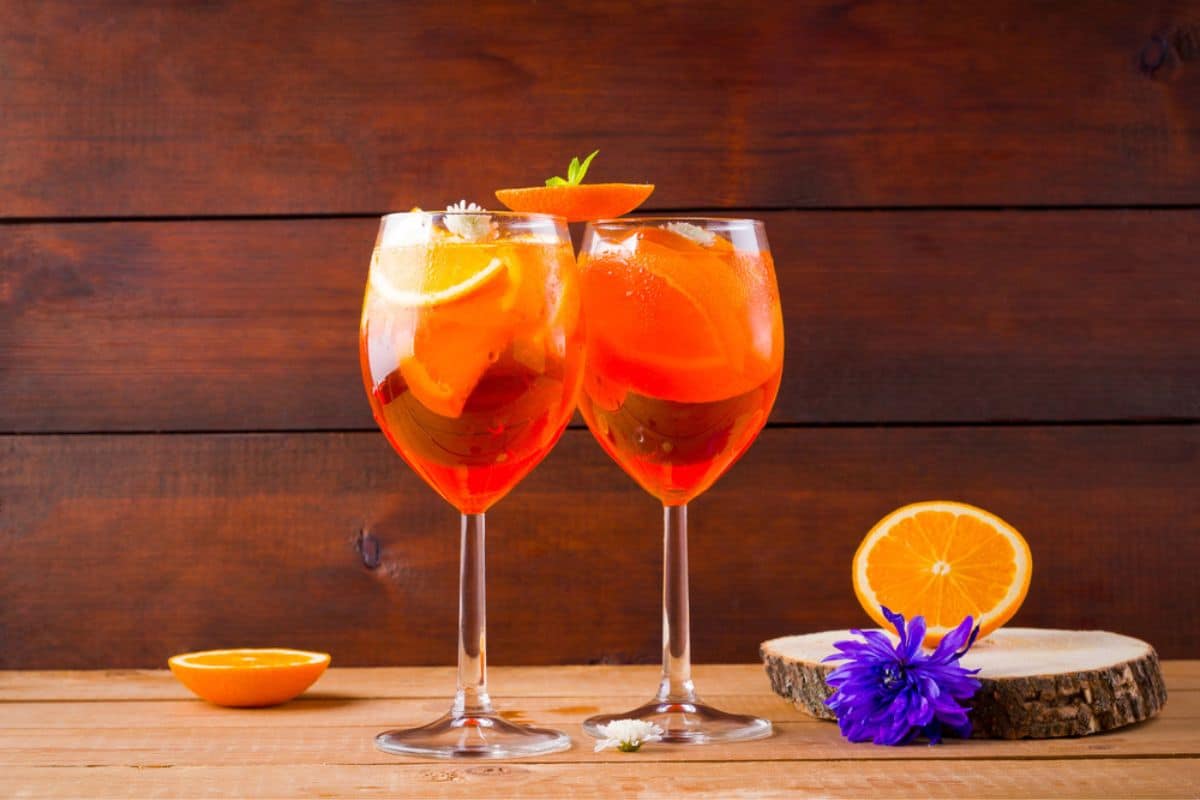
In Italy, vermouth and other aromatized wines became intertwined with aperitivo culture, while sparkling wine would eventually find its way into the Spritz.
Wine continued to inspire bartenders throughout the 20th century and into the modern cocktail renaissance. Today you’ll find sherry replacing spirits in lower-alcohol cocktails, Champagne topping everything from a French 75 to a Pornstar Martini and red wine floating dramatically over a New York Sour.
Wine isn’t merely something you drink alongside a cocktail. It has been part of cocktail culture almost from the beginning.