A SHORT HISTORY OF FRUIT BRANDIES
The idea behind fruit brandy is wonderfully simple: take whatever fruit grows around you, ferment it and distill it.
Fruit distillation developed across Europe over centuries, particularly in regions where orchards produced an abundance of apples, pears, cherries, plums and apricots. Distillation allowed the flavors of a harvest to be captured in a spirit that could last long after the fruit itself had disappeared.
In France, particularly Alsace and Lorraine, this tradition produced some of the country’s great eaux-de-vie: Kirsch from cherries, Mirabelle from small golden plums and Quetsch from dark plums, alongside spirits made from pears, raspberries and other fruits.
Normandy had apples.
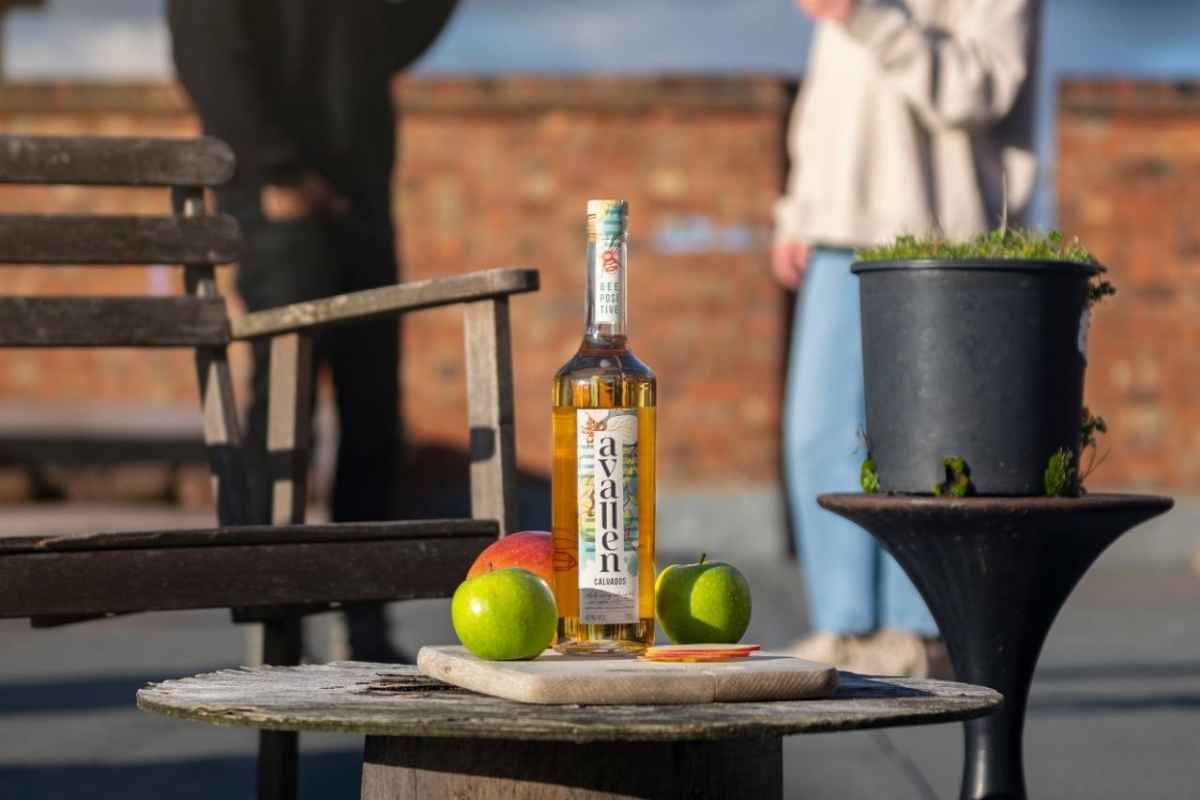
The region had been making cider for centuries, so distilling it was a natural progression. One of the earliest written records of cider distillation in Normandy dates to the 16th century.
Unlike most eaux-de-vie, Calvados is matured in oak. The process begins with cider made from specially selected apples — and sometimes pears — which is distilled and then aged. Young Calvados can burst with fresh apple and pear, while years in wood bring baked fruit, vanilla, spice, nuts and caramel.
Elsewhere in Europe, different fruits produced different traditions.
Across Germany, Austria, Switzerland and Alsace you’ll encounter Obstbrand and fruit wasser, while the Balkans have their own enormous family of fruit brandies generally known as rakija. Plum brandy is particularly important, appearing under names including slivovitz, šljivovica and slivovica depending on where you are drinking it.
Hungary has pálinka, a protected fruit spirit traditionally made from fruits including plums, apricots, pears, cherries and apples.
The names change as you travel, as do the fruits and methods, but the principle remains remarkably similar: capture the fruit growing in a particular place and preserve its character through distillation.