A SHORT HISTORY OF ASIAN SPIRITS & WINE
Fermented drinks have been made across Asia for thousands of years.
In China, archaeological evidence for fermented beverages stretches back into the Neolithic period. Over centuries, sophisticated traditions of grain fermentation and distillation developed, eventually giving rise to the enormous and extraordinarily varied category now known as baijiu.
Baijiu is China’s national spirit, although describing it as one drink is rather like describing whisky as one drink. Different regions, ingredients, fermentation techniques and aroma classifications produce dramatically different styles.
Japan developed its own traditions.
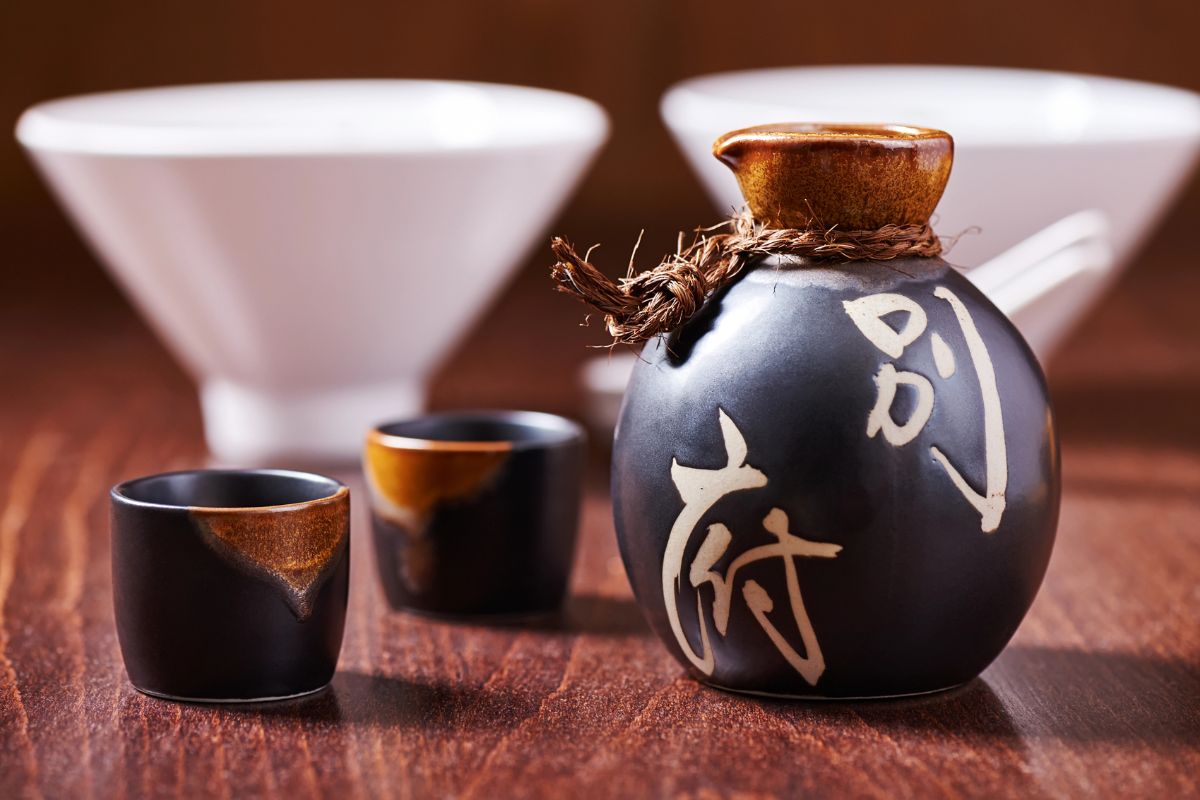
Sake has been intertwined with Japanese culture, agriculture and religion for well over a thousand years. Made from rice, water, yeast and koji — rice inoculated with a special mould that helps convert starch into fermentable sugars — sake developed into a category of remarkable complexity.
Shochu became particularly important in southern Japan, especially Kyushu, where producers distilled ingredients including barley, sweet potato, rice, buckwheat and brown sugar.
Korea, meanwhile, has its own long history of fermented and distilled drinks. Soju is by far the best known internationally. Traditional soju is distilled, but much of the familiar modern soju sold today is produced differently and bottled at relatively low strength.
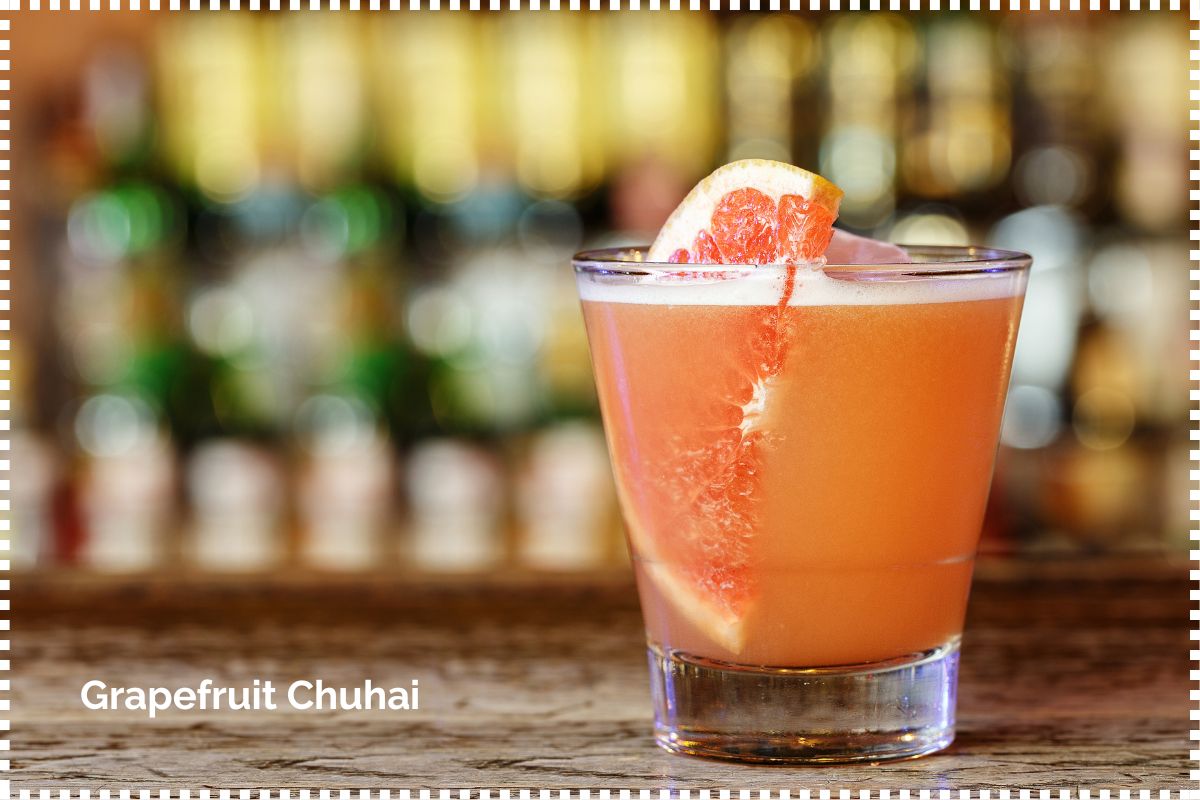
These drinks were traditionally consumed according to their own cultures and rituals rather than as cocktail ingredients. The international cocktail renaissance has changed that.
Bartenders have discovered that sake can bring delicacy and umami, shochu can provide a subtle spirit base, baijiu can completely transform a drink with its extraordinary aromatic intensity, and soju works brilliantly in lighter cocktails.
Rather than treating these bottles as substitutes for Western spirits, the most interesting cocktails allow them to taste like themselves.