
Europe’s celebrated wine regions and historic distilling towns have long attracted travelers with a taste for exceptional wines and spirits. Many are also home to luxury retreats where guests can experience local traditions firsthand.
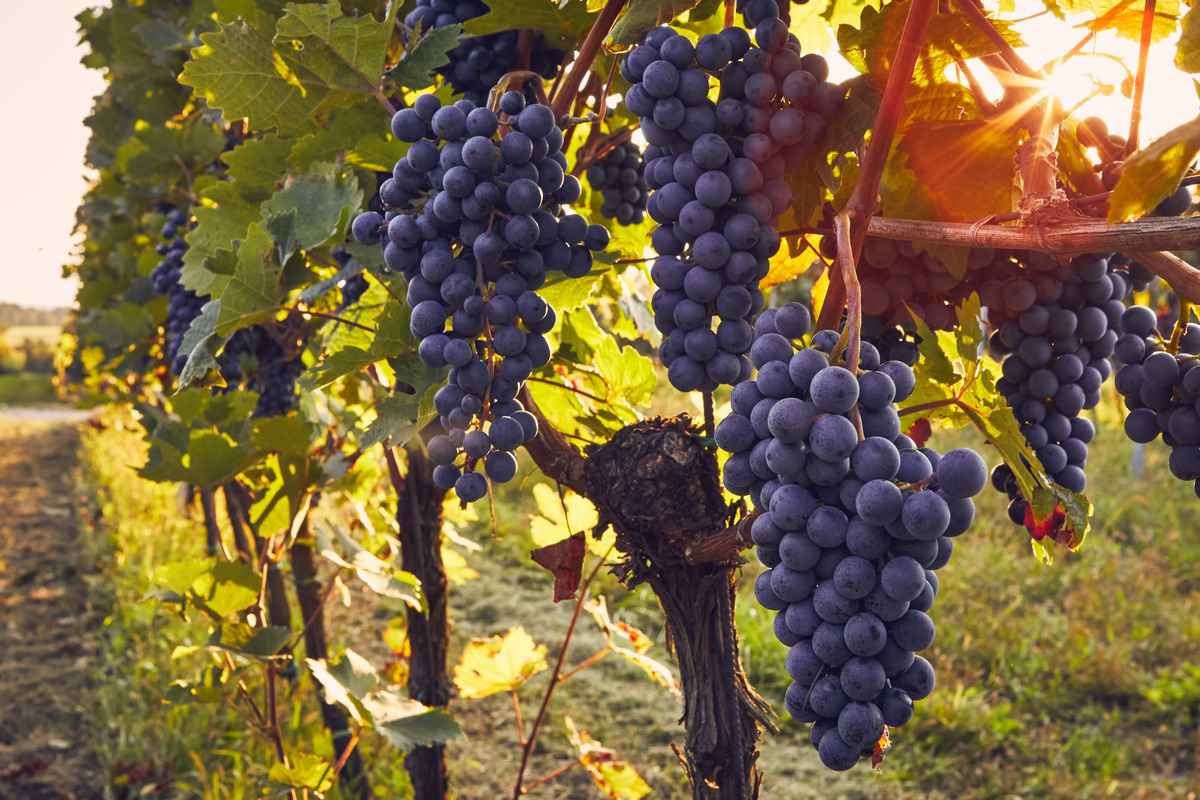
Centuries-old cellars, established vineyards, and traditional distilleries offer a closer look at the craftsmanship behind each bottle. Guests can meet producers, enjoy private tastings, and discover how the surrounding landscapes have influenced generations of winemaking and distilling.
The wines and spirits of each region reflect its local climate, geography, and longstanding expertise. Exploring historic estates and the landscapes surrounding them adds another layer to the tasting experience, revealing why certain varieties and production methods are so closely associated with their place of origin. These five European retreats bring that connection to life, with exceptional drinks and distinctive settings at the heart of each stay.
Exploring Volcanic Wines and Historic Stone Cellars on Mount Etna, Sicily, Italy
Mount Etna rises above eastern Sicily, where vineyards stretch across the volcano’s slopes among ancient lava flows and terraced hillsides. The northern slopes, particularly around Randazzo and Castiglione di Sicilia, are known for Nerello Mascalese, the principal grape used in Etna’s elegant red wines. These wines are prized for their bright acidity, red fruit notes, and fine tannins, while the region’s Carricante-based whites are appreciated for their freshness and citrus character. The volcanic soils, altitude, and cooler mountain temperatures help give the wines their distinctive qualities.
Historic wine estates scattered across the slopes provide an intimate setting for exploring Etna’s winemaking heritage. Some occupy restored stone buildings with traditional palmenti, once used for pressing grapes, while others feature contemporary tasting rooms overlooking the vineyards. Private tastings may include older vintages and wines produced in different contrade, the individual vineyard districts that reflect Etna’s varied growing conditions. Guests can also enjoy regional cheeses, cured meats, and traditional Sicilian dishes paired with local wines.
September and October are particularly interesting months to visit, when the grape harvest brings activity to the vineyards and wineries. Spring is another appealing season, with pleasant temperatures for exploring the surrounding countryside. A visit to Etna’s vineyards can be part of a longer island itinerary, with Sicilian getaways via Wishsicily.com providing accommodation options for those interested in the region’s wine estates and culinary traditions.
Descending into Ancient Chalk Champagne Cellars Beneath Reims, France
Beneath the historic city of Reims lies an extensive network of chalk cellars, some originally excavated during the Gallo-Roman period. Known as crayères, these underground chambers provide the cool, stable temperatures and humidity needed for aging Champagne. Several prestigious Champagne houses, including Ruinart, Taittinger, and Veuve Clicquot, maintain cellars beneath the city, where thousands of bottles mature in carefully controlled conditions. The chalk passages, some extending more than 30 meters underground, are part of the Champagne region’s UNESCO-listed cultural landscape.
Descending into these historic cellars reveals another side of the region’s winemaking heritage. Guided visits take guests through atmospheric chalk galleries lined with aging bottles, often concluding with tastings of the house’s signature Champagnes. Some producers also arrange more exclusive experiences featuring vintage releases and prestige cuvées, allowing visitors to appreciate the differences between grape varieties, blends, and aging methods. Back above ground, visitors can explore Reims’ historic landmarks before enjoying fine dining experiences at restaurants where carefully selected Champagnes complement seasonal French cuisine.
The cellars can be visited throughout the year, although advance reservations are recommended, particularly for private tours and premium tastings. Spring and early autumn are especially pleasant for exploring Reims and the surrounding vineyards, while the harvest season offers a closer look at the region’s wine production. The city is easily reached by train from Paris, making it suitable for a short luxury escape or a longer stay exploring Champagne’s renowned wine villages.
Unwinding with Après-Ski Cocktails Above the 4 Vallées in Verbier, Switzerland
Perched above the Val de Bagnes in the Swiss Alps, Verbier is renowned for its challenging ski terrain, lively après-ski scene, and sophisticated mountain retreats. As part of the expansive 4 Vallées ski area, the resort attracts experienced skiers who appreciate its high-altitude slopes and lively social atmosphere. After a day on the mountain, visitors can unwind at stylish cocktail bars and restaurants, where premium spirits, fine wines, and expertly mixed drinks are part of the resort’s winter culture.
The experience takes on a more intimate atmosphere with a stay at Chalet Chouqui, Verbier, where a private bar, adjoining wine cellar, and mountain views provide the perfect backdrop for après-ski drinks. Its two interconnected chalets also include an expansive terrace, an outdoor hot tub, and a 15-meter indoor swimming pool. Traditional Alpine interiors and contemporary comforts make it an appealing retreat for evenings spent sharing fine wines and cocktails with friends and family.
Verbier’s main ski season generally runs from December through April, with January and February particularly popular for winter sports. The resort is accessible via Le Châble, where a cable car connects visitors to the village, while private transfers from Geneva Airport offer another convenient option. Reservations for luxury chalets and popular après-ski venues are advisable well ahead of peak winter weeks, particularly around Christmas, New Year, and February school holidays.
Savouring Port Among Terraced Vineyards Along the Douro Valley, Portugal
The Douro Valley is one of Portugal’s most celebrated wine destinations, with steep, terraced vineyards rising above the winding Douro River. Established in 1756, it is recognized as the world’s oldest formally demarcated and regulated wine region, with a landscape shaped by centuries of viticulture. Historic wine estates, known as quintas, are scattered across the hillsides, many offering luxurious accommodations overlooking vineyards planted in the region’s distinctive schist soils. These estates provide a peaceful setting for discovering the traditions behind Portugal’s famous fortified wine.
Private tastings at selected quintas introduce guests to the region’s different styles of Port, including deeply colored Vintage Ports and aged Tawny Ports with notes of dried fruit, nuts, and spice. Guided cellar visits reveal how production and aging methods influence each style, while vineyard tours offer a closer look at the challenging terrain where the grapes are grown. Some estates also arrange intimate dining experiences, pairing regional dishes with Port and the Douro’s increasingly acclaimed dry red wines.
The Douro Valley is accessible by car or scenic train from Porto, with river cruises providing a relaxing way to explore the region. September and October are particularly interesting months to visit, when the grape harvest brings activity to the vineyards and wineries. Late spring and early summer are also pleasant, with warm weather and green hillsides. Booking estate accommodations and private tasting experiences in advance is recommended, particularly during the harvest season.
Discovering Peaty, Smoky Malts Along the Rugged Coastline of Islay, Scotland
Off Scotland’s west coast, the Hebridean island of Islay is renowned for its rugged beaches, windswept moorlands, and world-famous single malt Scotch whisky. Distilleries such as Laphroaig, Lagavulin, and Ardbeg are closely associated with the island’s intensely smoky malts, traditionally produced using barley dried over peat fires. Their coastal locations have become part of Islay’s identity, with whitewashed distillery buildings standing against the Atlantic shoreline.
Guided distillery visits reveal the craftsmanship behind Islay’s distinctive whiskies, with selected producers arranging specialist tastings featuring limited releases and cask-strength expressions. Depending on the distillery, visitors may encounter notes of peat smoke, seaweed, brine, citrus, and warming spice, each reflecting differences in production and maturation. Luxury lodges and private country houses provide comfortable bases for exploring the island, with evenings spent enjoying carefully selected drams beside a fireplace. Fresh local seafood, particularly oysters and scallops, makes an excellent accompaniment to Islay’s whisky culture.
Islay can be reached by ferry from Kennacraig on the Scottish mainland or by a short flight from Glasgow. May through September generally brings milder weather and longer daylight hours, making it an appealing period for exploring the coast and visiting distilleries. The annual Fèis Ìle whisky festival, usually held in late May, is especially popular with enthusiasts, although accommodations and tastings should be reserved well ahead of time.
Which cellar would you open first?
A glass of Champagne inside the historic chalk cellars of Reims or a smoky single malt overlooking Islay’s rugged coastline becomes even more special when enjoyed close to its source. Across these five European destinations, historic estates, private cellars, and distinctive landscapes reveal the craftsmanship and traditions behind some of the world’s most celebrated wines and spirits.
For connoisseurs, the pleasure of visiting these places extends well beyond the tasting itself. Exploring the vineyards, meeting the producers, and experiencing the local culture provide a deeper appreciation of what makes each bottle special. Long after the journey ends, the flavors remain closely associated with the places where they were first enjoyed.