A SHORT HISTORY OF VODKA
Vodka may have a reputation as the quiet one behind the bar, but its history is anything but.
Both Poland and Russia have long laid claim to vodka’s origins, with early forms of distilled spirits appearing across Eastern Europe centuries ago. The name itself comes from the Slavic word voda, meaning water — vodka essentially translating as “little water.”
Early vodka would have been very different from the clear, clean spirit we know today. Distillation was less sophisticated, so herbs, spices and other ingredients were often used to disguise or improve its flavor.
As distillation techniques developed, vodka became increasingly refined. Grain was traditionally an important base, although potatoes later became closely associated with the spirit and modern vodka can be distilled from everything from wheat and rye to corn, grapes and even whey.
For centuries, vodka remained largely associated with Eastern and Northern Europe. Its transformation into a truly international spirit came during the 20th century, particularly after the Second World War, when vodka began its extraordinary rise in the United States.
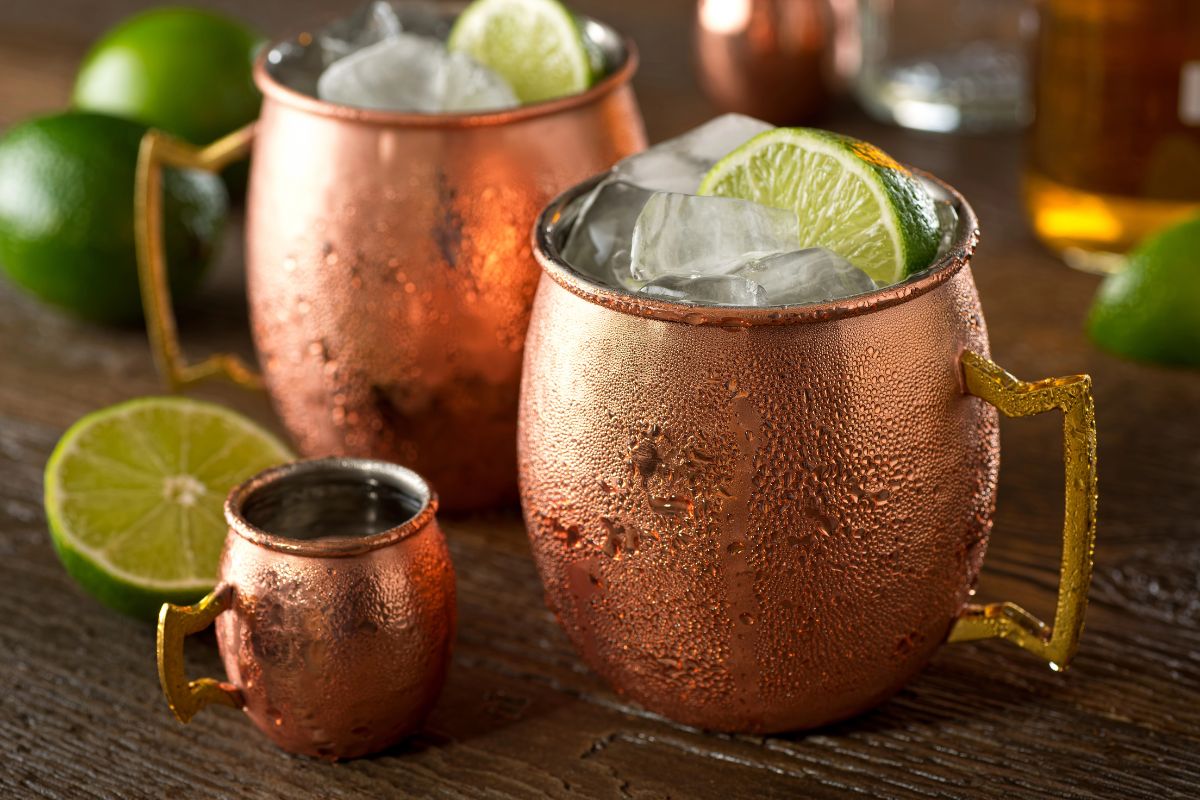
One cocktail played a particularly important part: the Moscow Mule. Created in America in the 1940s with vodka, ginger beer and lime, it helped introduce a generation of drinkers to a spirit many had barely encountered before.
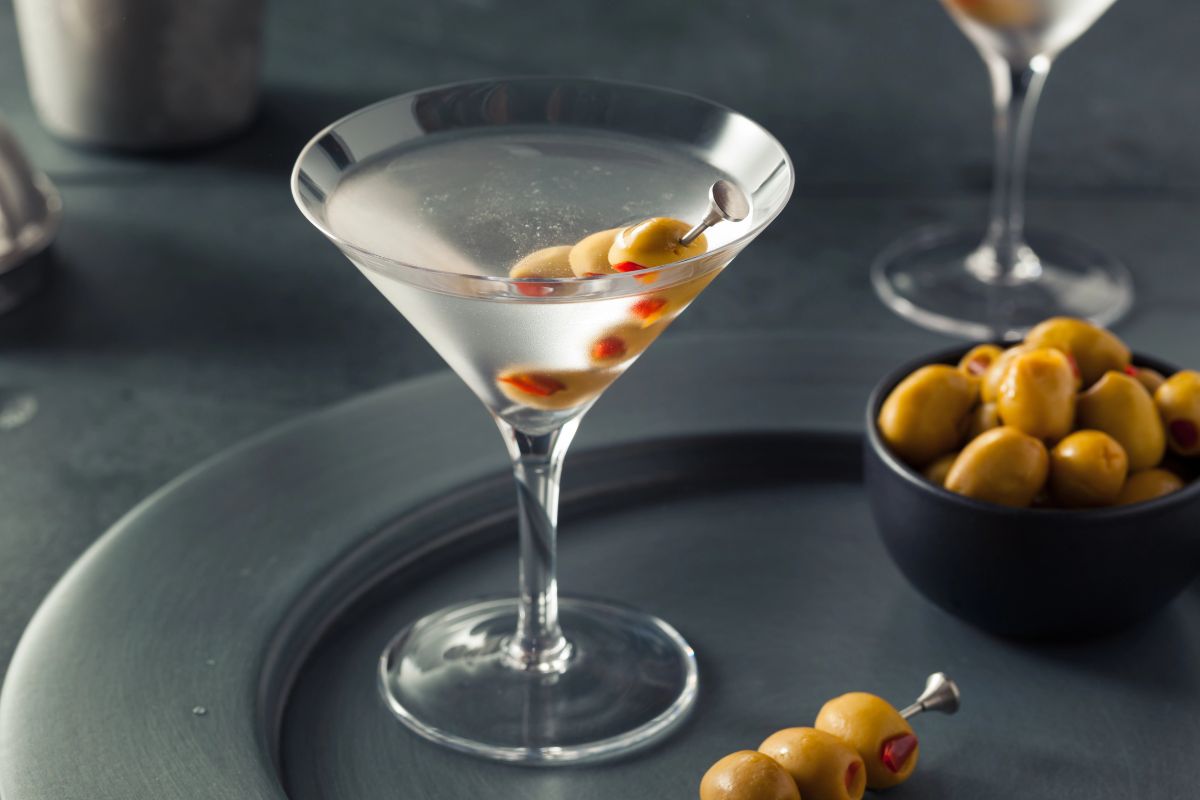
Then came James Bond. His preference for a Vodka Martini — “shaken, not stirred” — gave vodka another hefty push into popular culture.
By the 1970s, vodka had overtaken gin in popularity in the United States. Its relatively neutral character made it enormously versatile, allowing bartenders to pair it with almost anything.
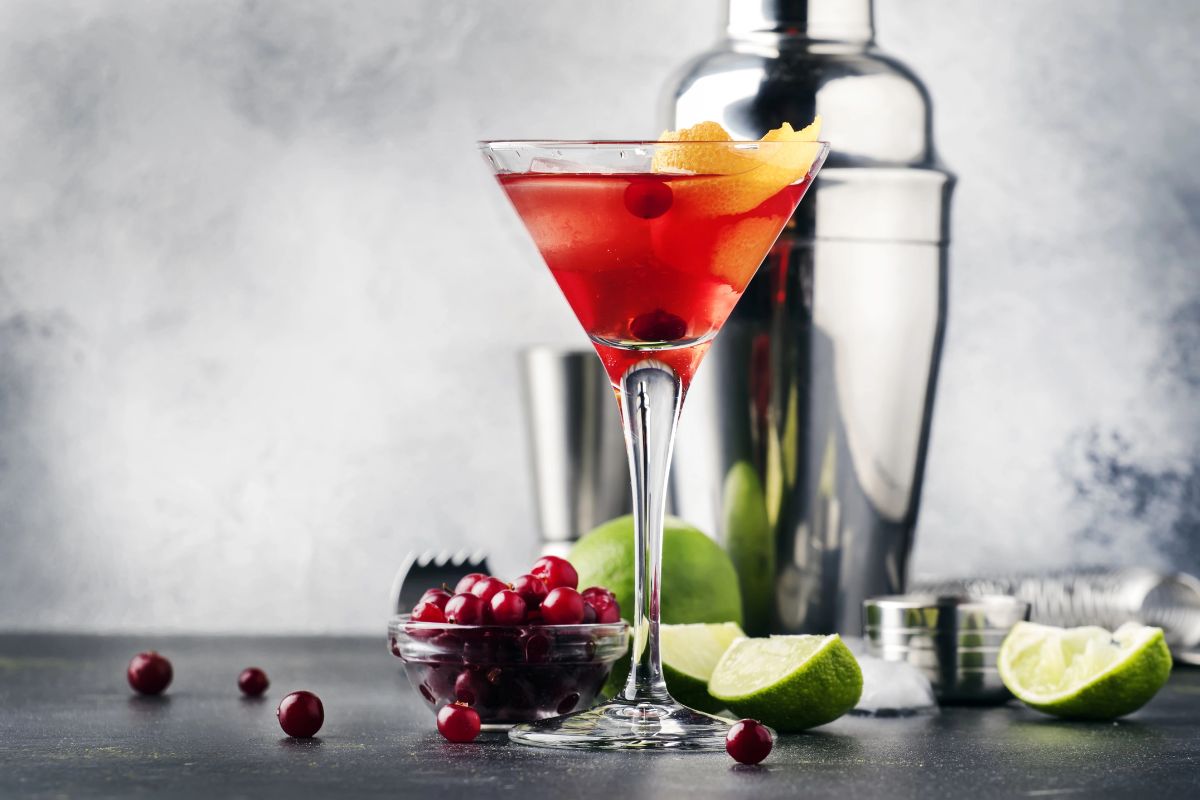
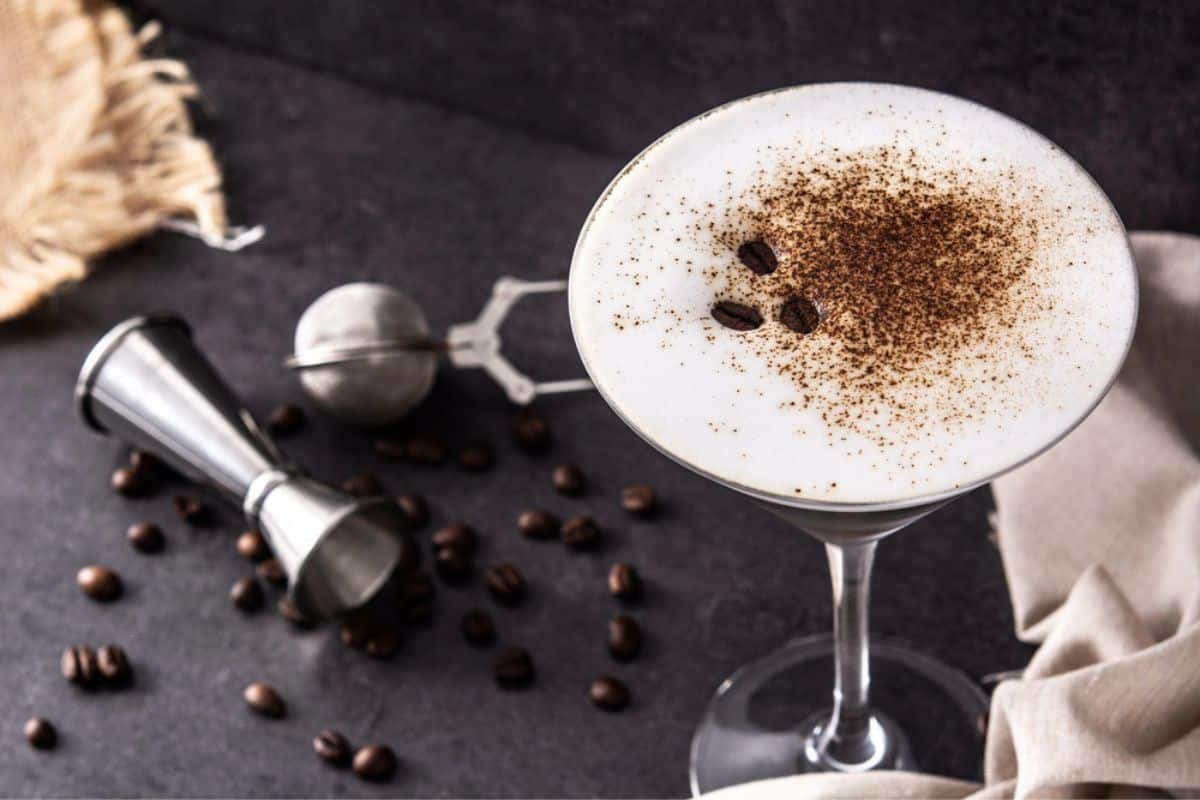
That versatility would help create some of the biggest cocktails of the late 20th century, from the Cosmopolitan to the Espresso Martini.
Today, vodka is produced all over the world, and a new generation of producers is challenging the idea that vodka should taste of nothing at all. The grain, water, raw ingredient and method of production can all make a difference.
Vodka might be clear, but there is much more going on in the glass than first meets the eye.